 Clara (Sales Concierge)
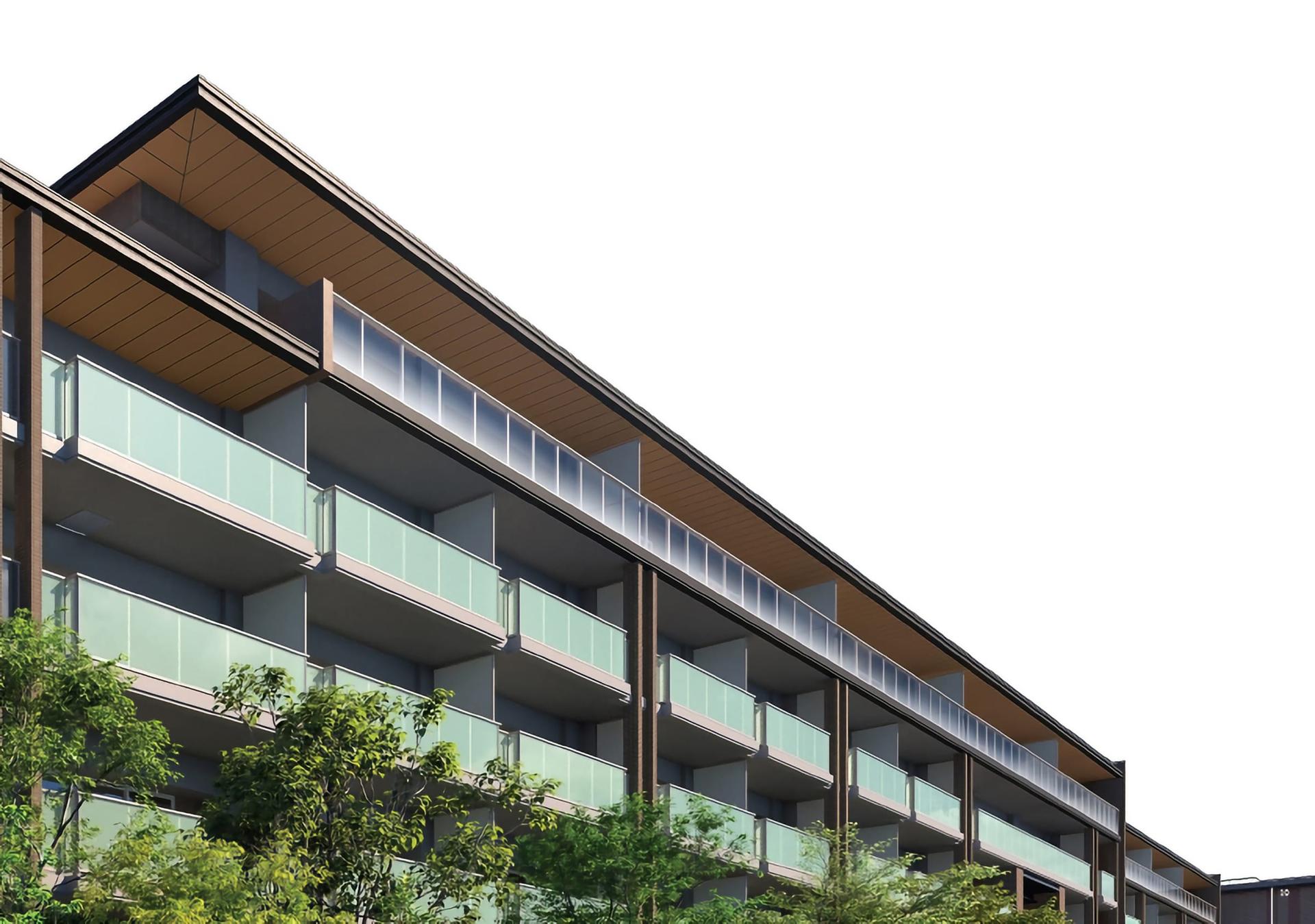
 Country guide · 25 minComplete Investor Guide to Japanese PropertyForeign-friendly ownership, ultra-low rates, and weak yen create a compelling entry point into Asia's most stable property marketStable MarketFreeholdForeign-FriendlyRead the guide
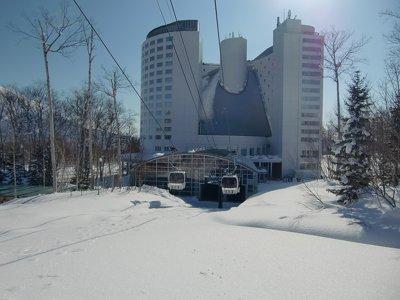 City guide · 8 minNisekoNiseko is Japan's most internationalized ski resort, a Hokkaido alpine basin sitting beneath the dormant volcano of Mount Yotei, draped in some of the deepest, driest powder snow on Earth. The four-resort Niseko United system (Grand Hirafu, Niseko Village, Annupuri, Hanazono) recorded over 11 million lift rides in the 2024-25 season and continues to set domestic records. What began as an Australian-led investor enclave in the 2010s has rotated into a more diversified Asian capital base, Hong Kong, Singaporean, mainland Chinese, Taiwanese, and Thai buyers now represent the majority of new ski-in / ski-out acquisitions, driven by the persistent weakness of the Japanese yen against major Asian currencies. Crucially, Japan permits 100% foreign freehold (fee-simple) ownership with no government approval or residency requirement, a rarity in Asia. The Hokkaido Shinkansen extension to Kutchan is scheduled for 2031, which combined with the Hotel 101 Niseko opening (482 rooms, December 2026) and continued upper-tier developer activity, positions Niseko as one of the most actively-watched resort property markets in Asia-Pacific.
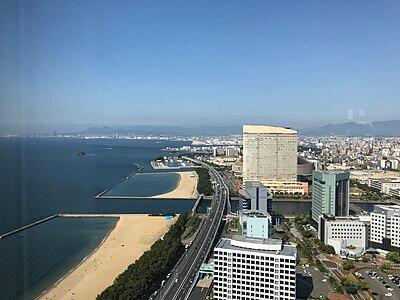 City guide · 8 minFukuokaJapan's fastest-growing major city and startup capital, Fukuoka combines affordable living costs with a dynamic tech ecosystem and exceptional quality of life. Located on the northern shore of Kyushu, the city has positioned itself as Japan's gateway to Asia with direct flights to Seoul, Shanghai, Taipei, and Hong Kong — all within two hours. The Tenjin Big Bang and Hakata Connected redevelopment initiatives are transforming the city center with billions of yen in new mixed-use towers. For property investors, Fukuoka offers rental yields of 5-6% — significantly above Tokyo's 3-4% — with entry prices roughly half those of the capital. A young, growing population (rare in Japan) and strong government support for international business make Fukuoka one of the most compelling secondary-city real estate plays in Asia.
 City guide · 8 minSapporoHokkaido's capital and Japan's fifth-largest city, Sapporo has emerged as a compelling real estate market driven by world-class winter sports tourism, a booming beer and food culture, and the upcoming Hokkaido Shinkansen extension. Land prices surged 40% since 2019 with an 8.4% increase in 2024 alone, yet entry prices remain well below Tokyo levels. The city draws nearly 9 million international visitors annually — surpassing pre-pandemic levels by 12% — fueling a short-term rental market that delivers yields exceeding 20% in peak season. For investors, Sapporo offers the rare combination of strong capital appreciation (3-5% annually), healthy long-term rental yields (4-5%), and a growing population attracted by Hokkaido's quality of life and the city's expanding tech and tourism sectors.
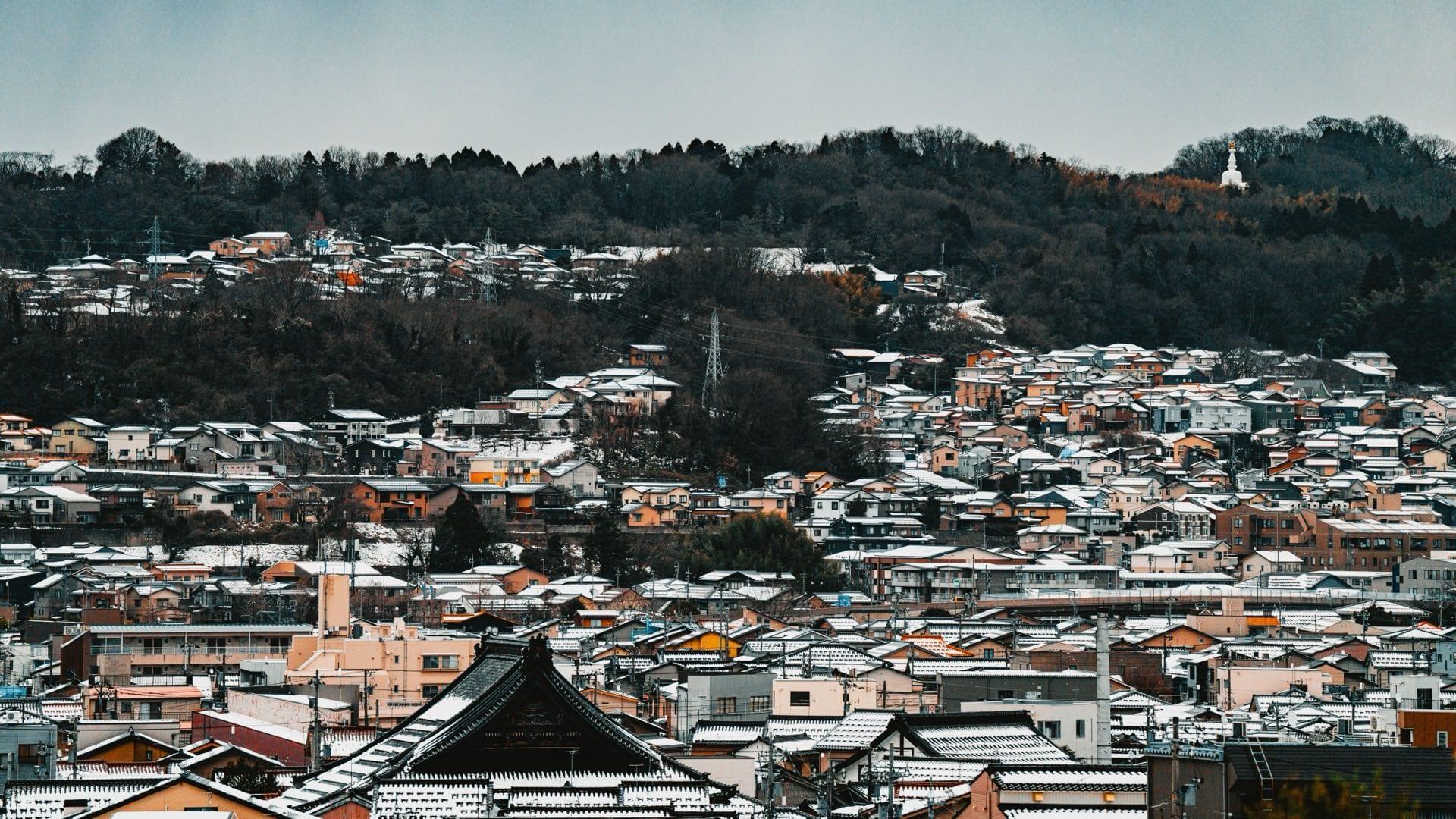
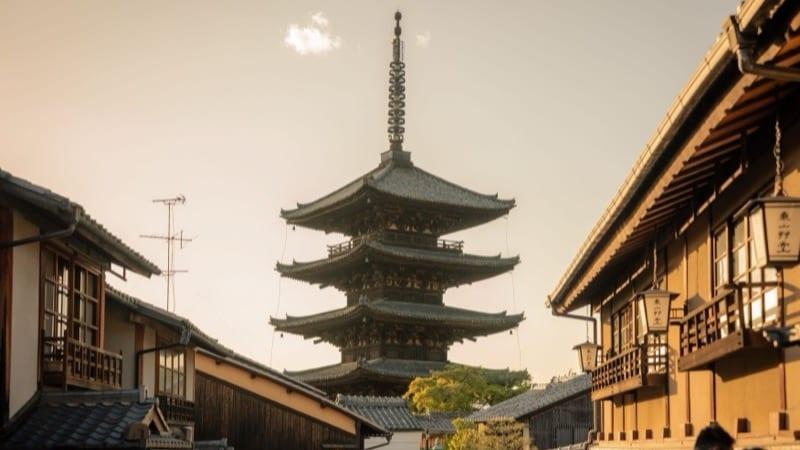 City guide · 8 minKyotoJapan's ancient capital and cultural heart offers a unique real estate proposition: heritage properties in UNESCO-caliber settings with the strongest tourism demand in the country. From the geisha district of Gion to the bamboo groves of Arashiyama, Kyoto's strict building regulations ensure permanent scarcity while record visitor numbers drive both long-term rental and hospitality investment returns. With 17 UNESCO World Heritage Sites, over 2,000 temples and shrines, and stringent height restrictions that preserve the city's historic skyline, Kyoto offers a property market defined by scarcity and cultural prestige. The city's machiya townhouses — traditional wooden merchant homes — have become prized investment assets, with restored properties commanding premium rents as boutique hotels, galleries, and luxury residences.
 Market insight · 11 minJapan Did Not Ban Foreign Buyers: The Two Rules That Took Effect in 2026, the Condo Curb That Died in June, and What 5 October BringsJapan did not ban foreign buyers. It did add a 20-day reporting duty on 1 April and a nationality declaration from 5 October, and it shelved the condo curb on 1 June. What became law, and what the Tokyo numbers say.
 Market insight · 5 minThe Cross-Border Property Due Diligence Framework: A 10-Point Standard for HNW InvestorsLearn the 10-point cross-border property due diligence framework for HNW investors. Evaluate title security, developers, legal risks, market liquidity, and global investment opportunities.
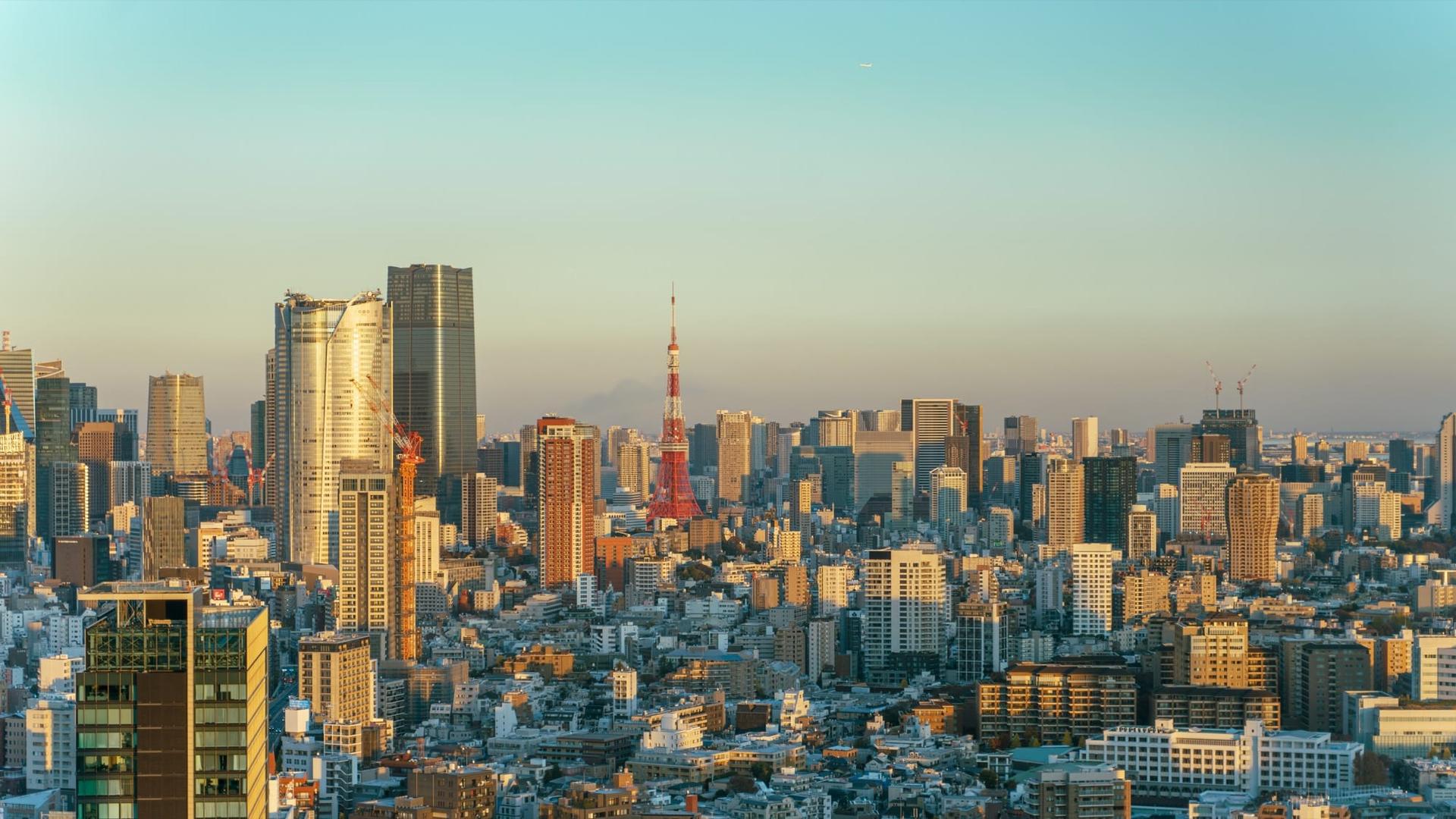 Market insight · 10 minJapan at One Percent: The Three Conditions Behind the Tokyo Trade Are Turning TogetherJapan's policy rate hit 1% for the first time since 1995, Tokyo resale prices just fell after more than two years of gains, and nationality tracking starts in October.
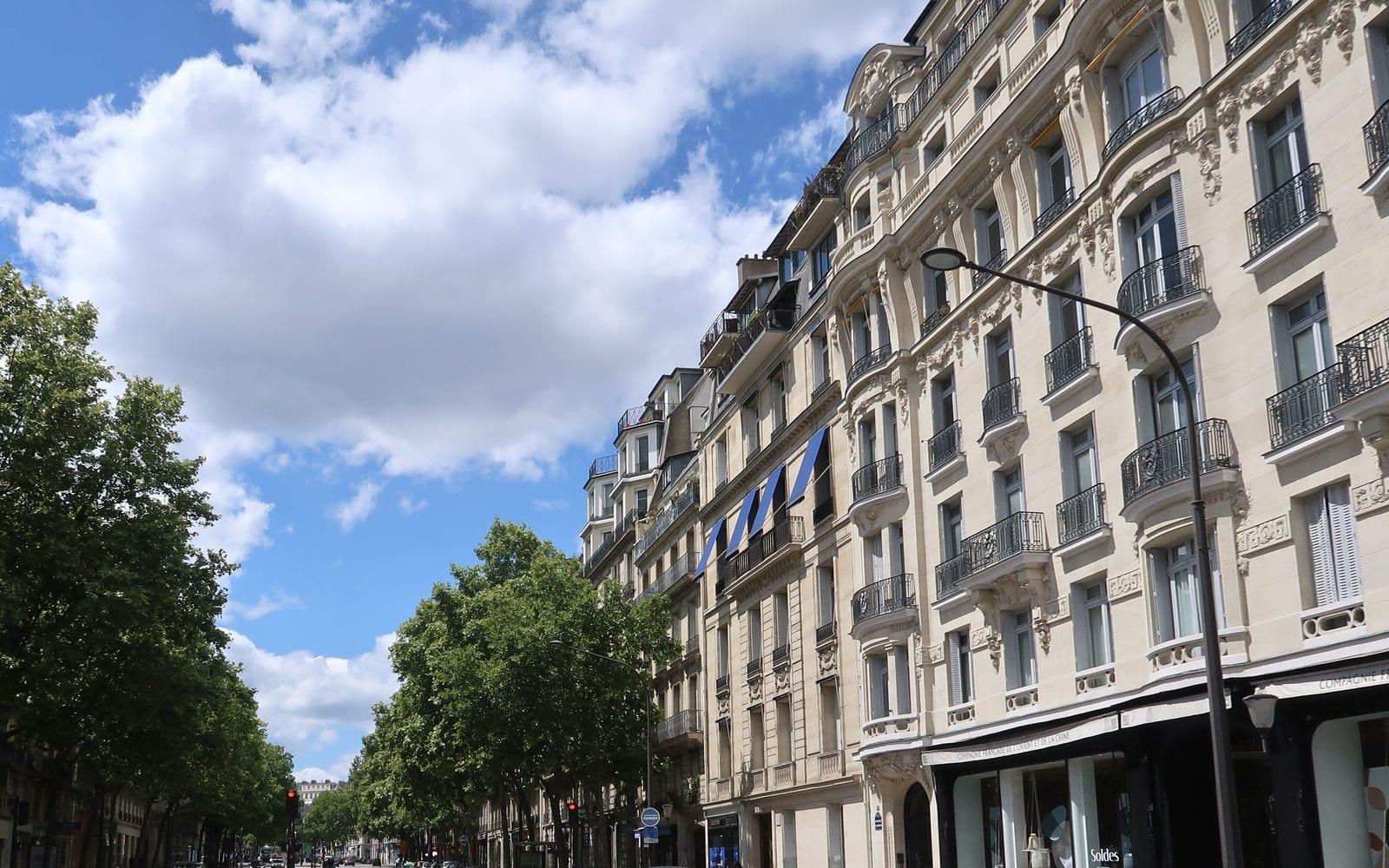 Market insight · 10 minWho Inherits Your Foreign Property: The Succession Rules That Override Your WillWho inherits your foreign property is decided where the asset sits, not where you live. Four mechanisms catch international buyers, and all of them are cheap to plan around before completion.
2 listings
Clara (Sales Concierge)Clara (Sales Concierge)