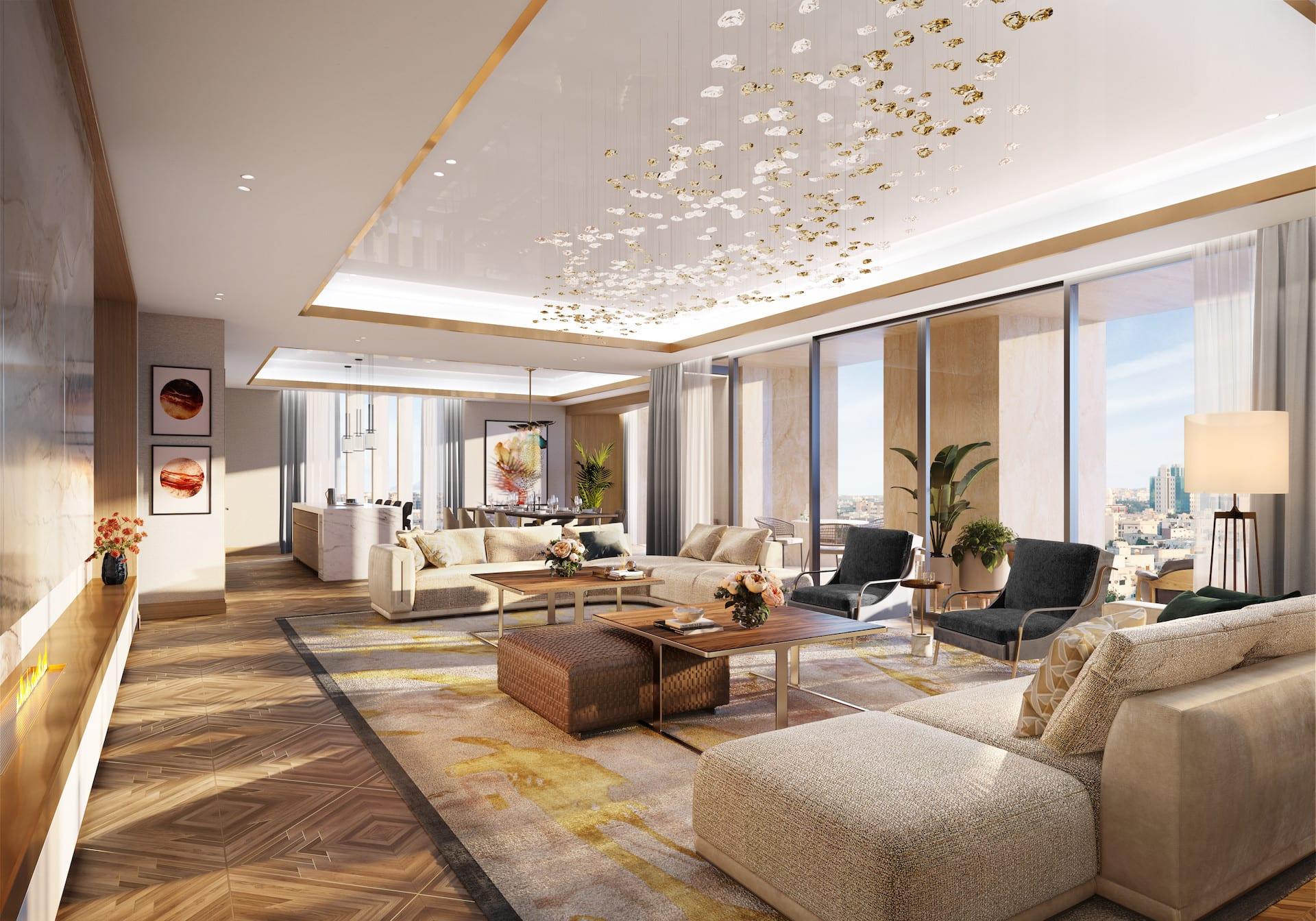
Photo 1 of 5
USD 2.00M – USD 15.00M
≈ $2,000,000 - $15,000,000est.
Four Seasons Private Residences Jeddah
ApartmentSaudi ArabiaJeddah Corniche, Jeddah Clara (Sales Concierge)
 Country guide · 28 minSaudi Arabia Investor GuideInvesting in the Kingdom after the 2025 foreign ownership law, Vision 2030 megaprojects, Riyadh, Jeddah, and the wider marketVision 2030New Foreign LawPremium ResidencyRead the guide
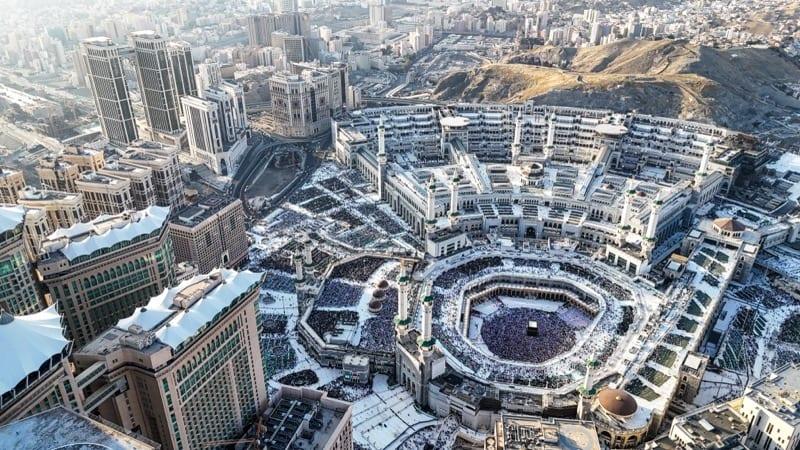 City guide · 12 minMeccaMecca, capital of Makkah Province and Islam's holiest city, is home to the Masjid al-Haram and the Kaaba, drawing well over ten million Hajj and Umrah pilgrims a year and underpinning one of the world's most concentrated hospitality real-estate markets. For foreign investors this is the most restricted market in Saudi Arabia: the new national foreign-ownership law that took effect in January 2026 explicitly carves out Mecca and Medina as special high-restriction zones, so non-Saudis cannot freely buy property here. The realistic route is indirect, a January 2025 reform now lets foreign investors take stakes in listed companies that own real estate in the two Holy Cities, alongside long leasehold structures (up to 99 years) typically tied to pilgrim-accommodation and hotel schemes. Mecca residential prices actually softened, falling about 2.1% in Q1 2025 even as Riyadh surged, reflecting an oversupplied pilgrim-housing segment rather than scarcity. The investment case is hotel and serviced-apartment leasehold yield driven by year-round religious tourism, not freehold capital gains.
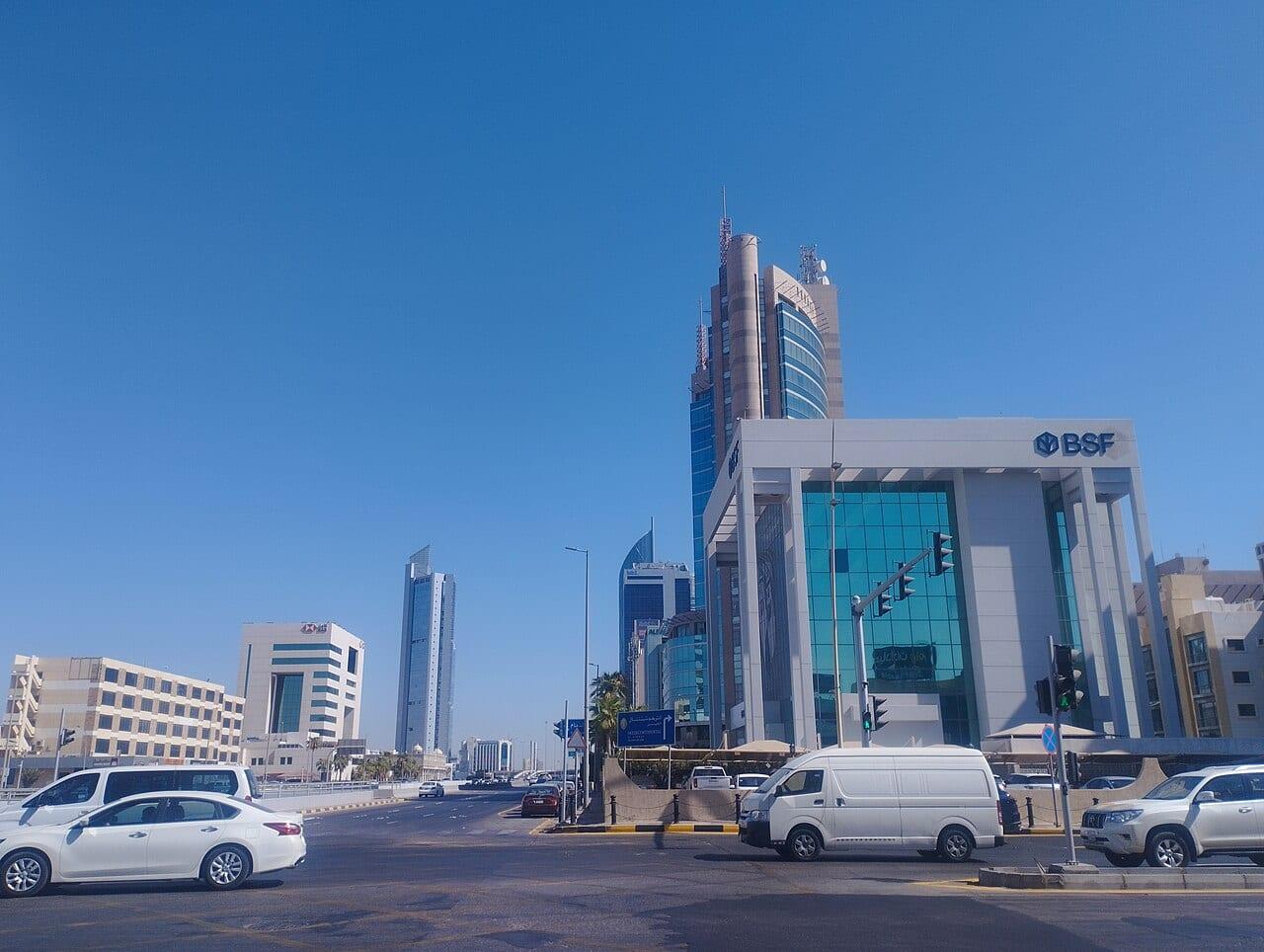 City guide · 11 minAl KhobarAl Khobar is the cosmopolitan waterfront hub of Saudi Arabia's Eastern Province, part of the Dammam-Khobar-Dhahran metropolitan triangle and home to a large, affluent expatriate workforce tied to Saudi Aramco's Dhahran headquarters and the wider oil-and-gas economy. Unlike the Holy Cities, Al Khobar sits within reach of Saudi Arabia's liberalising foreign-ownership regime: the national law effective January 2026 lets non-Saudis acquire property within designated geographic zones, and Premium Residency holders already have broader ownership rights. The metro added 428 residential units in Q3 2025 toward a total stock of around 725,000 units, and the Eastern Province is expanding on Aramco-driven demand for executive housing and gated communities. Khobar's Corniche waterfront and the Al Aqrabiyah district show some of the strongest long-term rental demand in the Kingdom. National gross rental yields ran about 6.8-7.3% in 2025, with no personal income tax on rents but a 5% Real Estate Transaction Tax on transfer.
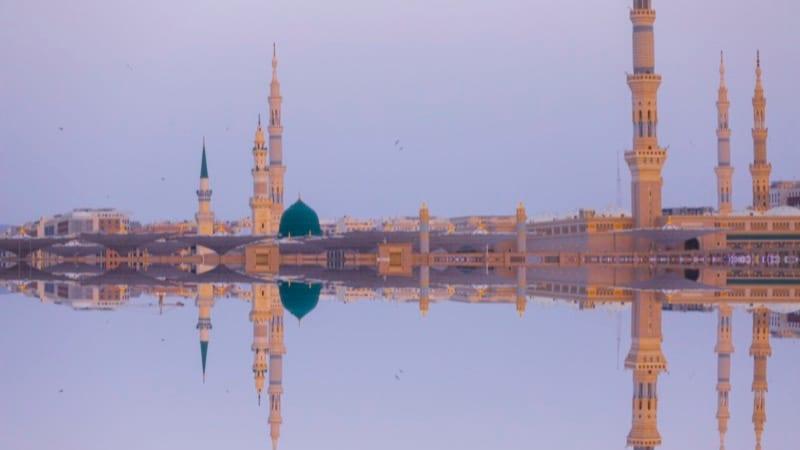 City guide · 12 minMedinaMedina, capital of Al Madinah Province and the second-holiest city in Islam, is built around Al-Masjid an-Nabawi (the Prophet's Mosque) and absorbs the bulk of Hajj and Umrah pilgrims alongside Mecca, making pilgrim accommodation its dominant real-estate sector. Like Mecca, Medina is a special high-restriction zone under Saudi Arabia's foreign-ownership law that took effect in January 2026, so foreigners cannot freely purchase freehold; non-Muslims are barred from owning inside the city's sacred boundaries, and non-Saudi Muslims face special conditions set out in the executive regulations. Since January 2025 foreign investors may instead take equity stakes in listed companies that own property in the Holy Cities, and long leasehold (up to 99 years) is the practical vehicle for hotel and serviced-apartment exposure. The wider Saudi residential index slipped about 2.2% over the year to Q4 2025, and Medina shares the oversupplied pilgrim-housing dynamic, so the realistic thesis is occupancy-led hospitality income near the Central Area rather than freehold capital growth.
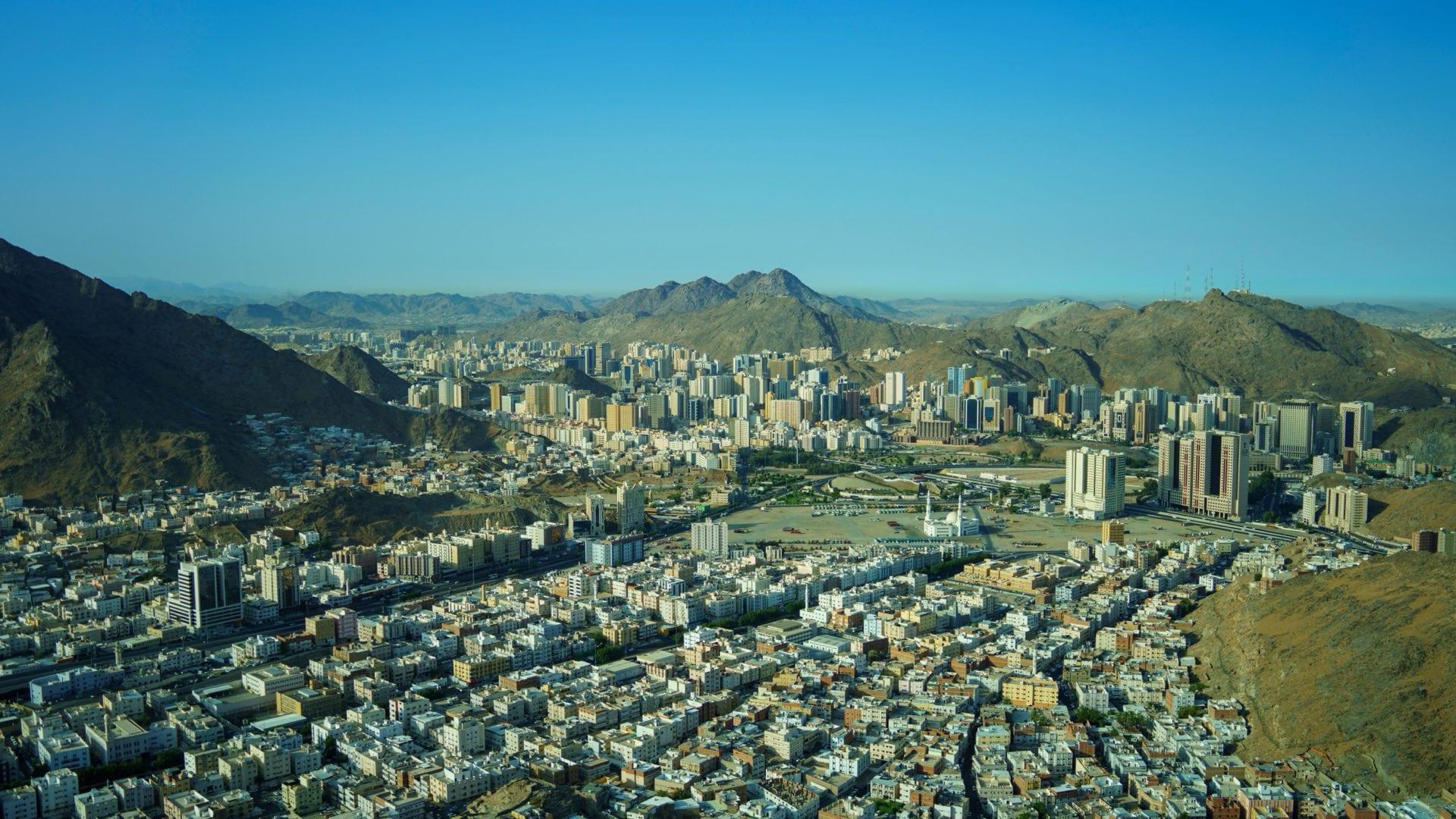
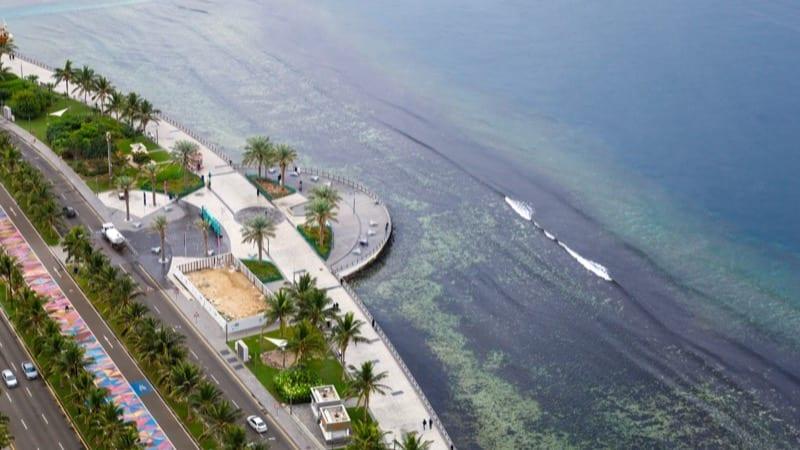 City guide · 8 minJeddahJeddah is Saudi Arabia's commercial capital, second-largest city, and the historic gateway to the Holy Cities of Makkah and Madinah. The city sits on the Red Sea, has long been Saudi Arabia's most cosmopolitan and merchant-driven urban centre, and serves as the launchpad for the Red Sea Project, NEOM (north), and the broader western Saudi tourism opening. Residential prices in prime districts (Al Shati, Al Hamra, Al Rawdah, Al Zahra) run SAR 4,500-9,500 per square metre, with gross yields of 6.0-7.5%, above Riyadh because Jeddah is NOT subject to the September 2025 rent freeze. This makes Jeddah the more attractive near-term yield play within Saudi Arabia for foreign buyers. For international buyers (post-2025 foreign ownership law), Jeddah offers Red Sea coastal positioning, the Hajj/Umrah economy (10+ million pilgrims annually), and unconstrained rental income growth. The catch: regulatory pace lags Riyadh, designated foreign-ownership zones may roll out later, and infrastructure quality is patchier than the capital.
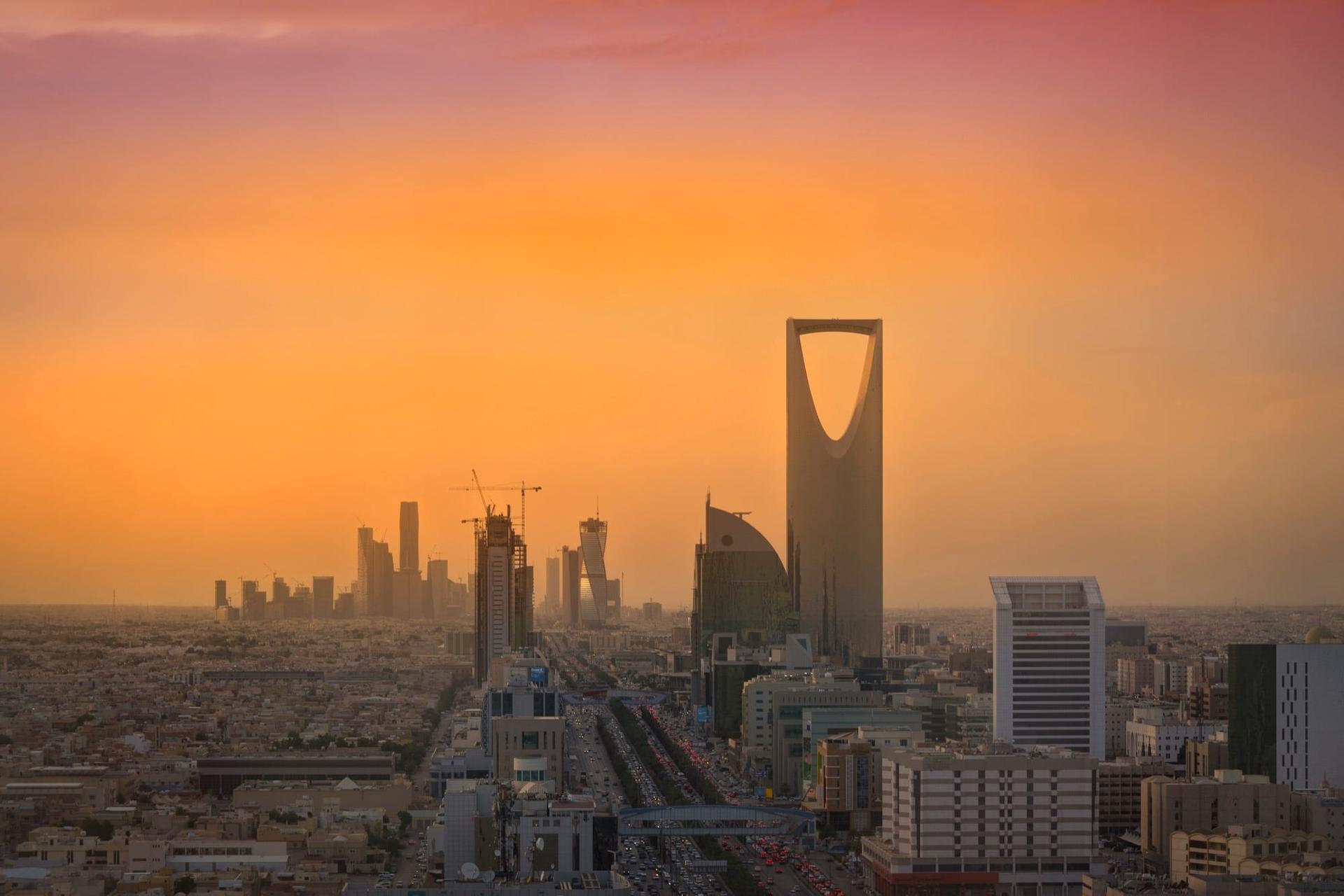 Market insight · 12 minSaudi Arabia Opened Its Property Market. It Also Froze Riyadh's Rents Until 2030.Saudi Arabia opened property ownership to foreigners in January and published the zone map in June. Riyadh rents stay frozen until 2030, so the case rests entirely on capital growth.
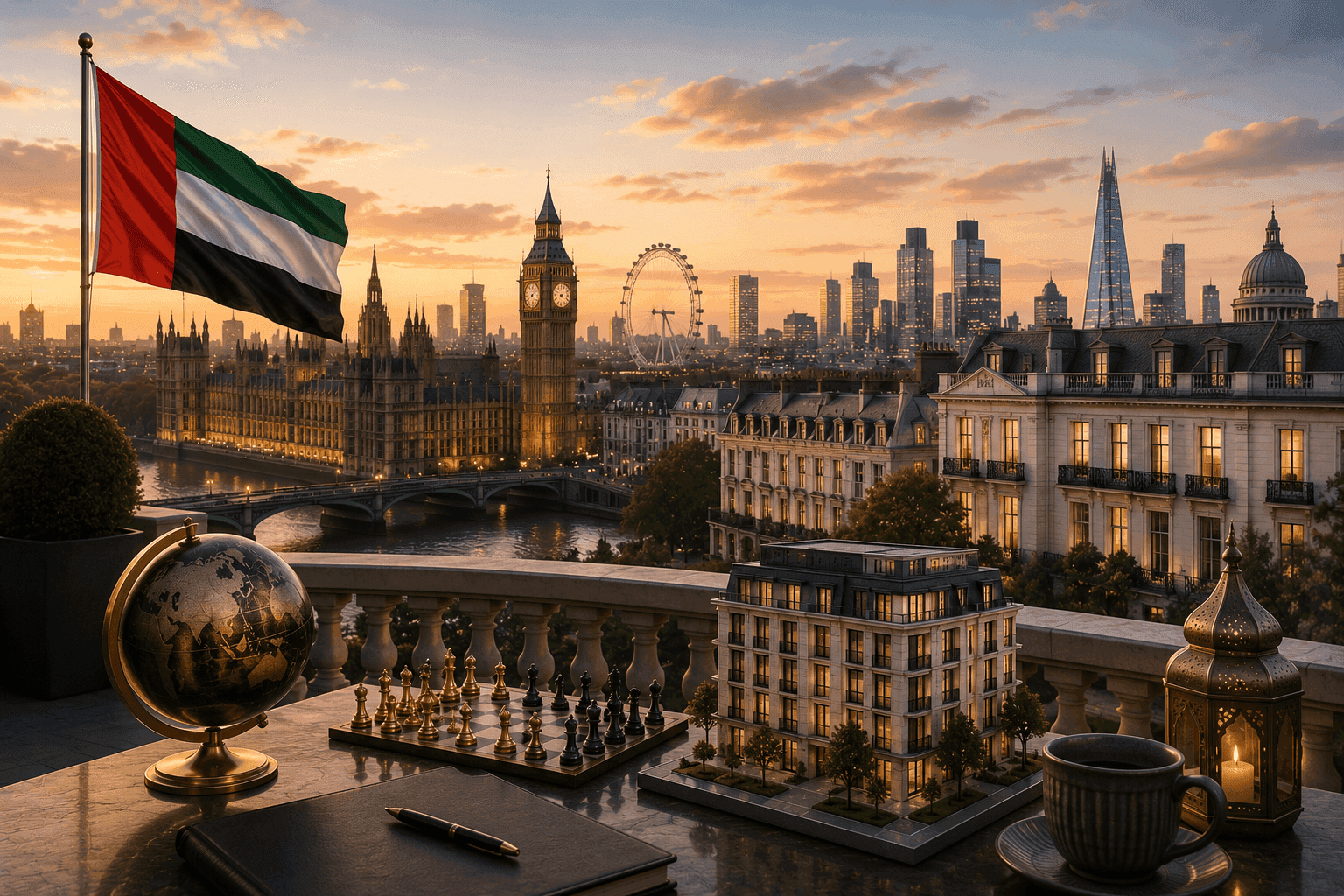 Market insight · 5 minWhy Gulf HNW Investors Still Buy in London: The Case for UK Property in 2026Discover why Gulf HNW investors continue buying London property in 2026. Learn about UK tax reforms, prime London neighborhoods, rental yields, wealth preservation, and investment strategies.
 Market insight · 10 minThe $876 Billion Wellness Real Estate Market: How Biophilic Design and Health Certification Are Reshaping Property Investment in 2026Wellness real estate hit $876B in 2025, growing 8x faster than conventional construction. WELL-certified buildings command 10–25% price premiums and 4.4–7.7% higher commercial rents. The longevity economy is reshaping property underwriting fundamentals.
 Market insight · 10 minSaudi Arabia's Vision 2030 Real Estate: Where the $900 Billion Opportunity Actually Lies in 2026Saudi Arabia's $900B Vision 2030 real estate programme has opened its doors to foreign investors in 2026. Here's the honest investment case — opportunities and risks alike.
1 listing
Clara (Sales Concierge)