Market brief · Europe
Investing in Switzerland
The first listings in Switzerland are being prepared with our partners. Members hear about them first, and the markets below are open now.
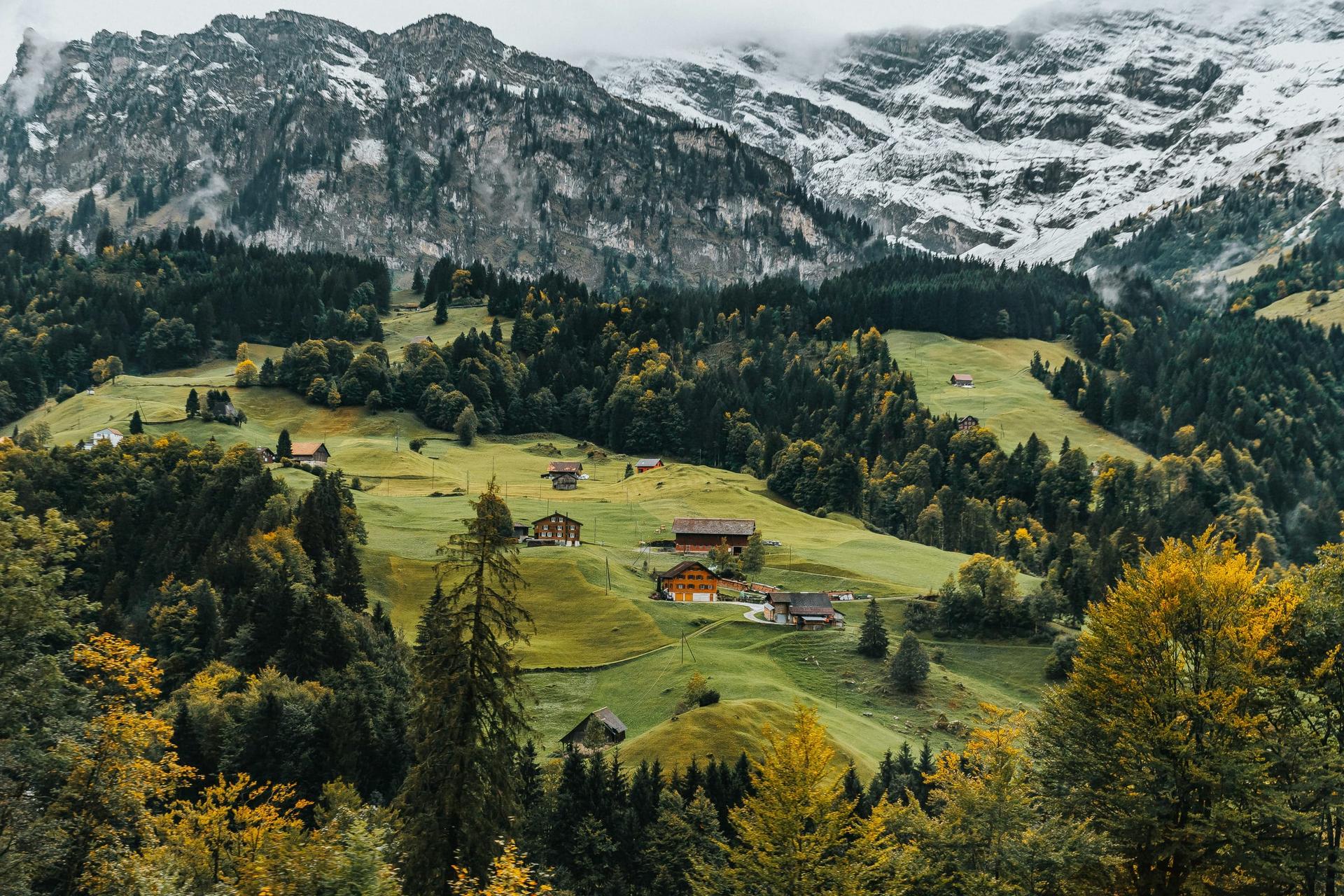
Buying in Switzerland
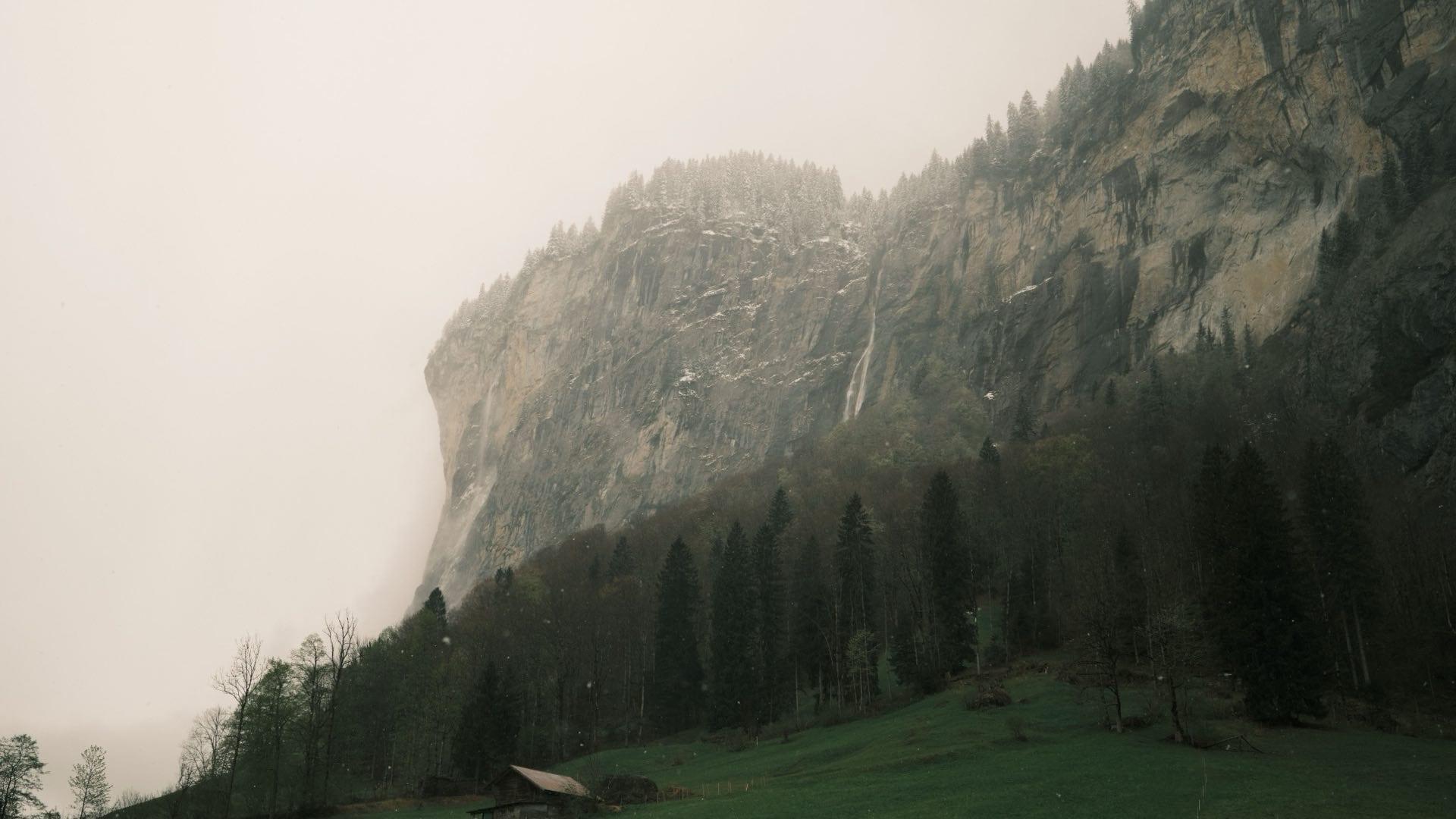 Country guide · 24 minSwitzerland Investor GuideInvesting in the Swiss Confederation, Zurich, Geneva, and Navigating Lex KollerLex KollerCHF Safe HavenHoliday Home QuotaRead the guide
Cities4 guides
All Switzerland city guides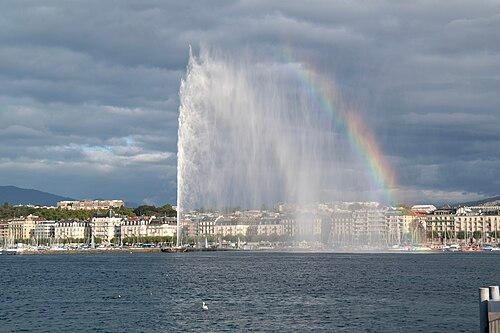 City guide · 8 minGenevaGeneva is Switzerland's second-largest city and its most international: home to the UN European HQ, WHO, WTO, ICRC, CERN, and 25+ other international organisations alongside major private banks and trading houses. The local market is among Europe's tightest, Geneva's geographical constraints (Lake Geneva, the French border, the Alps) leave almost no room for expansion, sustaining permanent supply pressure. Residential prices run CHF 13,000-22,000 per square metre in central districts (Eaux-Vives, Champel, Old Town, Plainpalais), with gross yields of 2.5-3.5%, among the lowest in Switzerland. The very high concentration of international civil servants, diplomats, traders, and private bankers underpins consistent rental demand at premium price points. Lex Koller applies as it does in Zurich: non-resident foreigners face restrictions. Best suited to international families relocating with Geneva-based work, or to high-net-worth buyers using authorized commercial structures. Yields are thin but rental stability is exceptional.
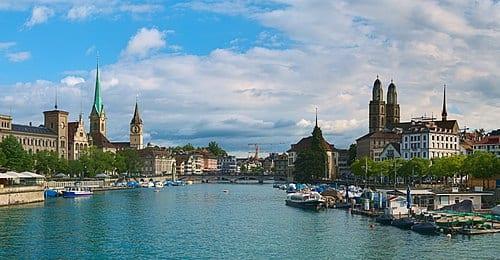 City guide · 8 minZurichZurich is Switzerland's largest city, its financial capital, and consistently ranked among the world's top-3 cities for quality of life. The Lex Koller law restricts non-resident foreign ownership of residential property, but EU/EFTA residents with Swiss work permits, holders of B/C permits, and qualifying buyers can access the market. Property prices and rents are among the highest in the world. Central districts (Kreis 1, 6, 7, 8) command CHF 17,000-28,000 per square metre, with peripheral areas at CHF 11,000-15,000. Gross rental yields are tight at 2.2-3.2%, Switzerland's status as a global safe haven compresses yields heavily. The Swiss National Bank's 2024 rate cuts back to 0.5% have re-energised price growth after a brief 2022-23 pause. For international buyers, Zurich is the ultimate capital-preservation play: AAA sovereign rating, CHF strength, deep institutional liquidity, English-friendly banking, and a tenant pool of Google, UBS, Credit Suisse legacy operations, and major reinsurers. The catch: foreign ownership rules are restrictive, transaction costs are 5-6%, and yields are paltry. Treat as wealth storage, not yield.
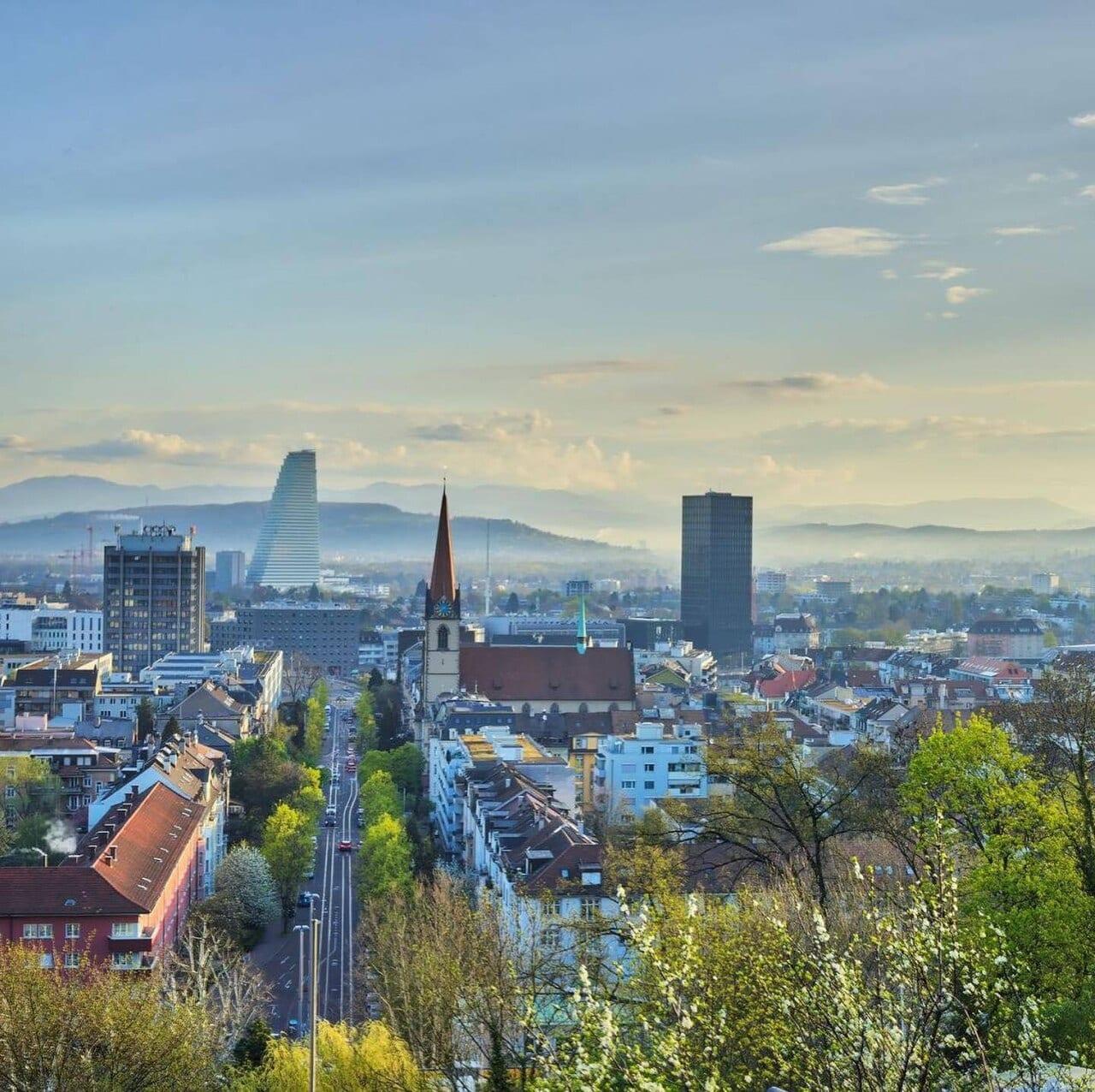 City guide · 7 minBaselSwitzerland's life-sciences capital and a tri-border hub where the country meets Germany and France, Basel anchors its property market on one of the world's most resilient employment bases: the global headquarters of Roche, Novartis and Lonza, plus a dense pharmaceutical and biotech cluster that draws high-earning international professionals. This translates into exceptionally tight housing, with citywide vacancy below 1.2% and the Gundeldingen and St. Johann quarters running below 0.5%. Residential prices average roughly CHF 8,500 per square metre, with prime hillside addresses such as Gellert, Bruderholz and St. Alban, and the ultra-prime suburb of Riehen, reaching CHF 9,500–CHF 10,500 and beyond. As is typical for Switzerland, yields are modest and income-led: gross rental yields range roughly 3.0–4.2%, with the strongest returns in mid-market areas like Kleinhüningen, Matthäus and parts of Iselin, while prime apartments compress toward 2.4%. Prices are expected to appreciate a measured 2–4% through 2026, tracking slightly below Zurich. Basel is not a market for aggressive capital growth or speculative flips; rather, its structurally stable pharma employment, sub-1% vacancy and Swiss-franc safe-haven status make it a premier choice for conservative investors prioritising capital protection and consistent rental income.
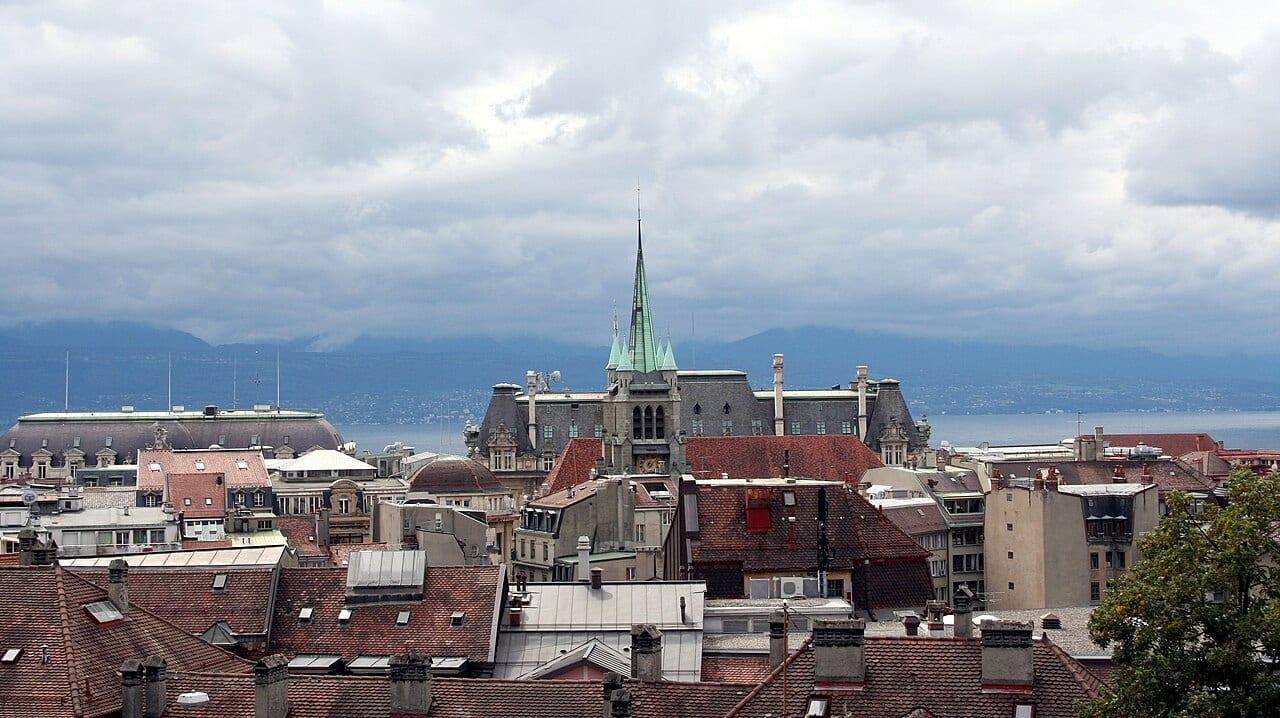 City guide · 7 minLausanneRising steeply from the shores of Lake Geneva in the French-speaking canton of Vaud, Lausanne is the Olympic Capital, global home of the International Olympic Committee, and one of western Switzerland's most consistently demanded residential markets. The city blends an institutional economic base (the IOC and dozens of international sports federations), a world-class research and education cluster around EPFL and the University of Lausanne, and a thriving medtech and biotech corridor along the lakeshore. Prices are firmly in the Swiss top tier: residential stock averages around CHF 11,460–11,567 per square metre, with newer developments and lake-view properties in Ouchy and Vidy reaching CHF 13,000–14,500. Over the past year apartment prices rose about 2.5% (houses +0.7%), and a further 2.5–3.2% appreciation is projected over the next 12 months. As across Switzerland, yields are income-led and modest, gross yields range roughly 2.8–4.2%, with the highest returns in emerging and redevelopment districts rather than prime lakefront. With tight controlled inventory, high tenant quality anchored by students and international institutions, and the safe-haven Swiss franc, Lausanne offers conservative investors a stable, capital-preserving hold rather than a high-yield or speculative play.