Market brief · Europe
Investing in Poland
The first listings in Poland are being prepared with our partners. Members hear about them first, and the markets below are open now.
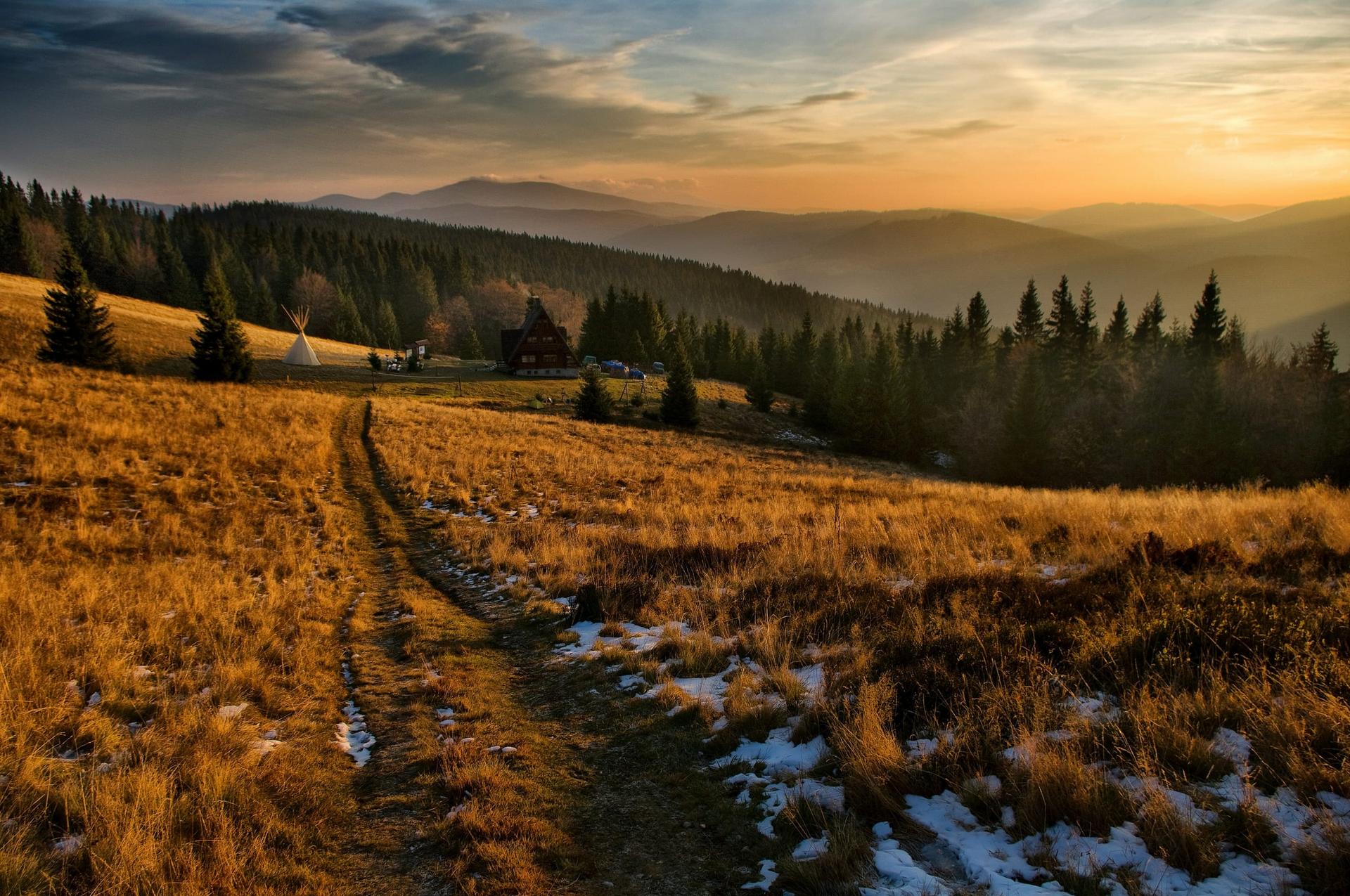
Buying in Poland
 Country guide · 25 minPoland Investor GuideNavigate Poland's high-growth EU market, one of Europe's fastest-growing economies, strong urban rental demand, and unrestricted apartment ownership for all nationalitiesEU MemberStable MarketEmerging Investor MarketRead the guide
Cities2 guides
All Poland city guides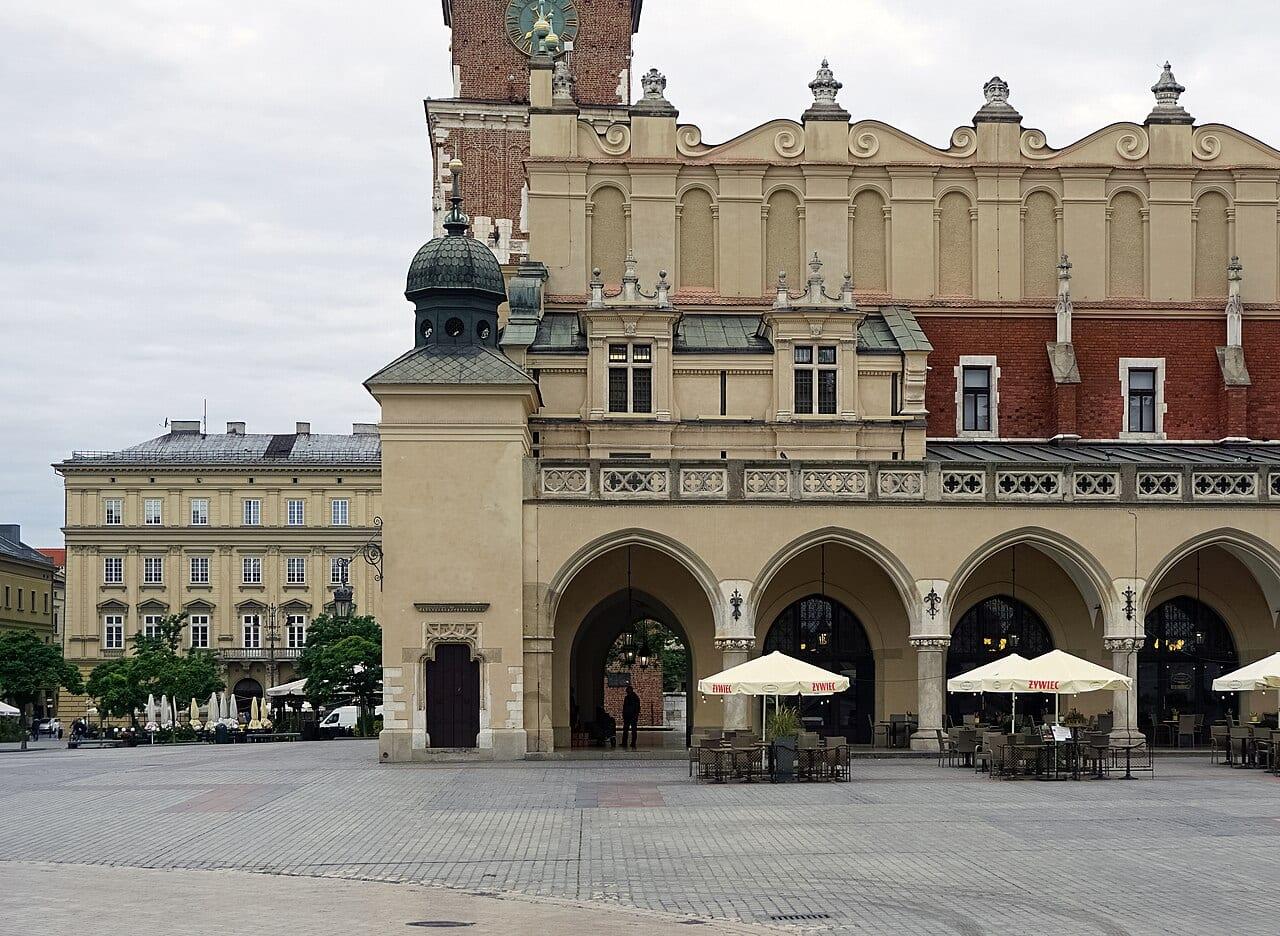 City guide · 8 minKrakówKraków is Poland's second-largest city (~804,000 in the city, ~1.43 million metro) and the historic royal capital. Its medieval Old Town, anchored by the vast Rynek Główny (Europe's largest medieval market square) and Wawel Royal Castle, was inscribed on the UNESCO World Heritage List in 1978, among the world's first twelve sites. Heritage tourism is a defining economic force: Kraków drew roughly 7–9 million visitors a year in 2023–2024, sustaining one of Central Europe's deepest short-term-rental and hospitality markets. Beyond tourism, Kraków is a major technology, BPO and shared-services hub, frequently ranked among Europe's top outsourcing destinations, with 84,500+ IT professionals and operations for IBM, Google, Cisco, Ericsson and others. This is underpinned by a huge student population: ~23 higher-education institutions and roughly 130,000–150,000 students, led by the Jagiellonian University (founded 1364, Poland's oldest) and AGH University. For investors, Kraków combines the demand-side strengths of a top tourist city, a deep graduate/young-professional rental pool, and a constrained, heritage-protected central housing supply. It is Poland's 2nd-priciest residential market after Warsaw, and prices are quoted in PLN, currency risk vs the euro is a real consideration. Non-EU buyers can purchase standalone apartments without a permit (only land/houses need an MSWiA permit), and Poland has no golden visa, buying property grants no residency.
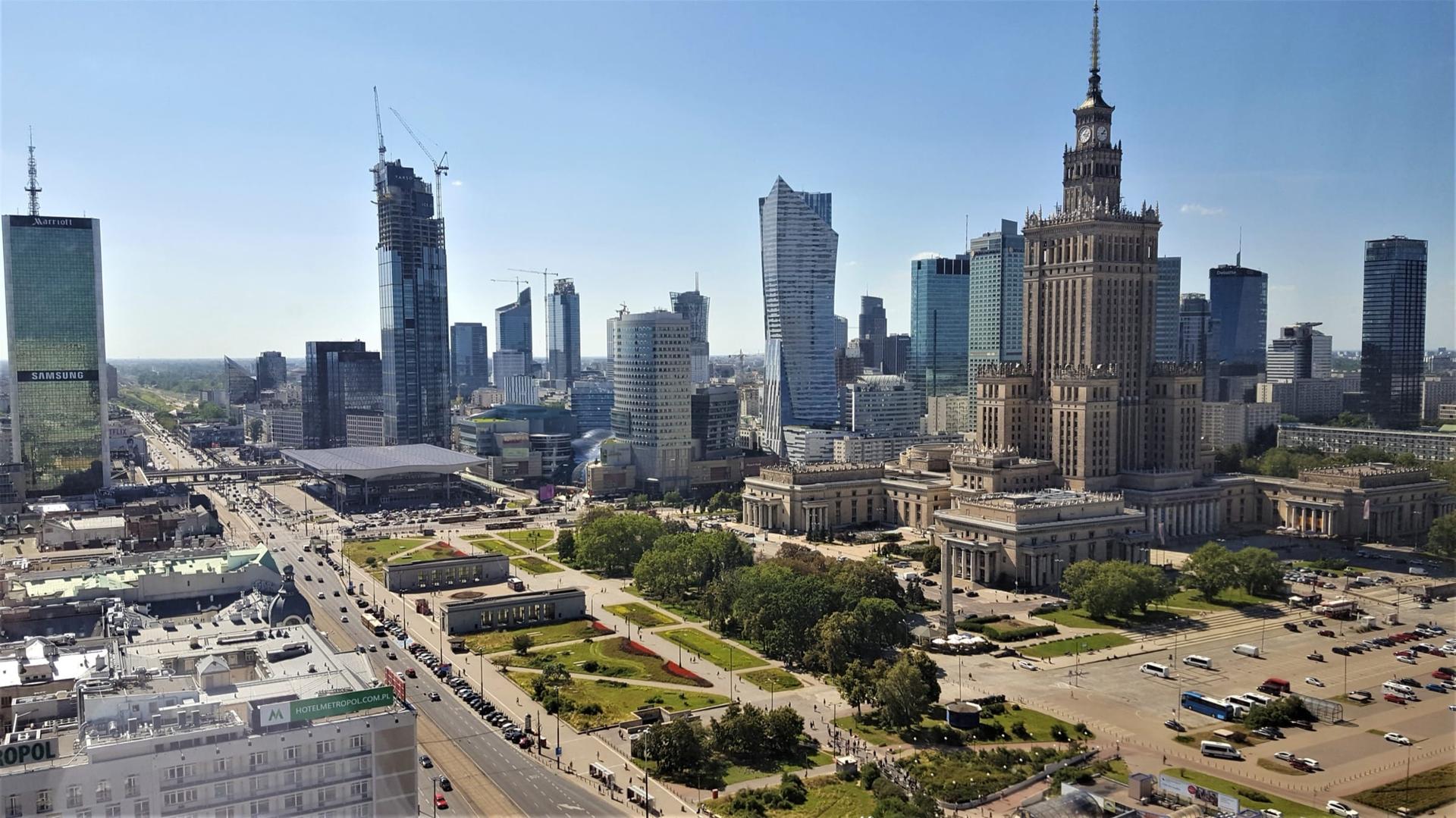
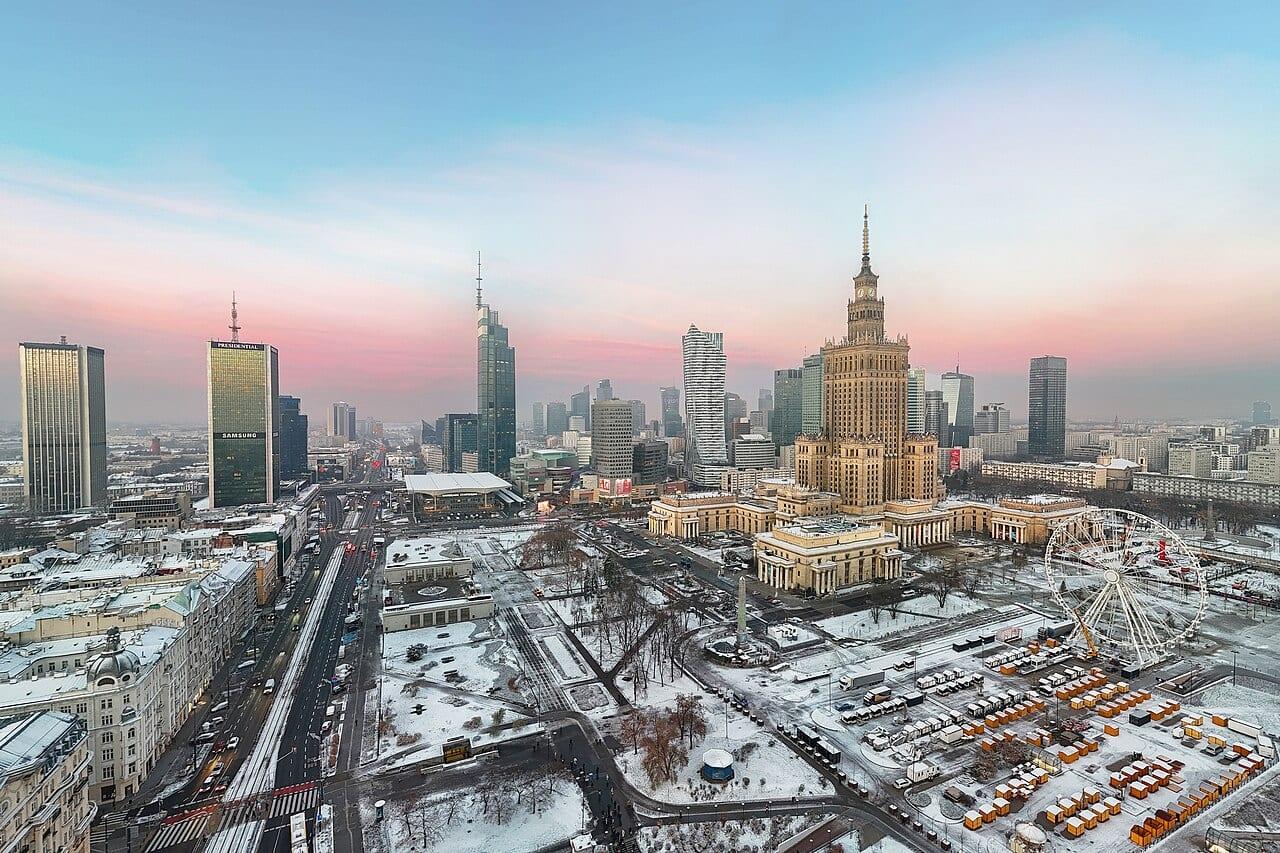 City guide · 8 minWarsawWarsaw is Central and Eastern Europe's most liquid and dynamic property market, anchored by Poland's standing as one of the EU's strongest-growing major economies. As the capital of a ~38-million-person nation that has avoided recession for three decades, the city combines deep domestic demand, a fast-expanding services and tech sector, and a maturing institutional investment scene. Residential prices have risen sharply since 2020 but remain well below Western European capitals, roughly €4,000–4,800/m² citywide versus €10,000+ in Paris or London, leaving room for the 'economic convergence' thesis that values and rents rise faster here than in mature markets. The market entered a stabilisation phase in 2025 after several years of double-digit growth: Q1 2025 resale prices averaged ~16,460 PLN/m² (+8.1% YoY), while the broader seven-city market cooled to roughly flat YoY by Q3 2025 as affordability and the end of subsidised-mortgage schemes tempered demand. Gross rental yields remain attractive by EU-capital standards at roughly 5–6.5%, supported by a structural rental shortage and strong student/expat demand. For foreign investors, Warsaw's appeal is reinforced by an open ownership regime, non-EU buyers can purchase standalone apartments with no permit, low transaction friction (2% transfer tax on resale), and a value gap against Western Europe. The main risks are PLN currency exposure, the recent cooling in price momentum, and a national short-term-rental registration regime taking effect from May 2026.