City guides
City guides (402)

Cascais City Guide
Portugal
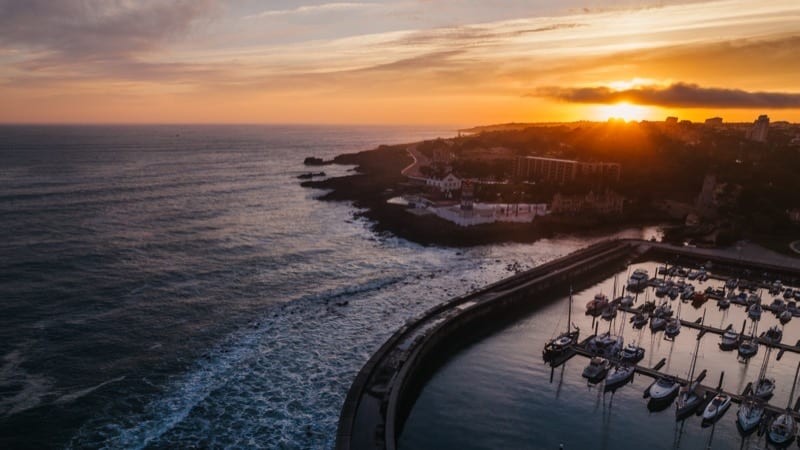
Cascais is an affluent coastal town on Portugal's Estoril Coast, about 30 km west of Lisbon and linked to the capital by a scenic commuter rail line in roughly 30-40 minutes. Once a royal summer retreat, it is now one of Portugal's most prestigious residential markets, prized for its marina, Blue Flag beaches (Guincho, Carcavelos), championship golf and a dense cluster of international schools that anchor a large permanent expat community. It blends a walkable historic centre with low-density villa enclaves, drawing high-net-worth buyers from the UK, US, Brazil and Northern Europe seeking a coastal lifestyle within commuting distance of Lisbon's business district. Two policy shifts reshape the 2025-2026 pitch: Portugal's Golden Visa real-estate route was abolished in October 2023, and the NHR tax regime closed to new applicants on 1 January 2025, replaced by the narrower IFICI ('NHR 2.0'). Despite these headwinds, Cascais demand has stayed resilient, driven by lifestyle migration rather than tax arbitrage, though price growth has cooled to the slowest in the Lisbon metro.
Coimbra
Portugal
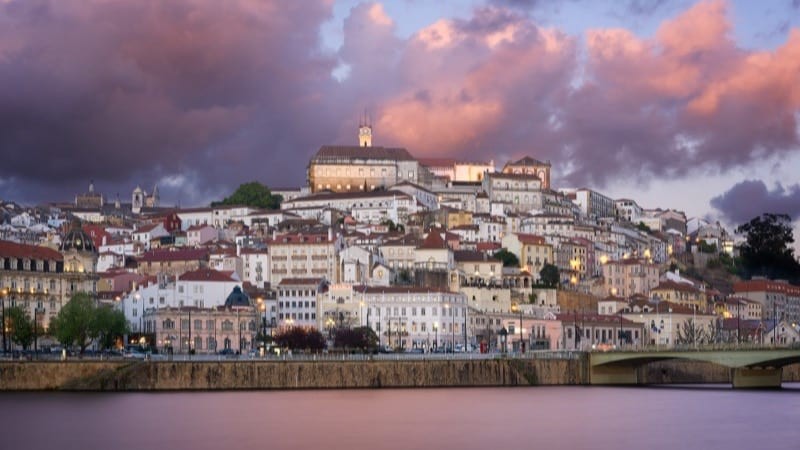
Coimbra is Portugal's historic university city -- home to one of Europe's oldest universities (University of Coimbra, founded 1290, UNESCO-listed). The city sits 200 km north of Lisbon along the Mondego River and offers one of mainland Portugal's most undervalued property markets, anchored by student demand from ~30,000 university students and a growing tech and biotech innovation cluster. Residential prices in central Coimbra range from EUR 1,800-3,200 per square metre, with gross yields of 6.0-9.0% -- among the best in Portugal. Student rental demand provides one of Europe's most defensive long-let tenant bases. The market has been growing steadily since 2018 but remains a fraction of Lisbon (EUR 5-8k/sqm) or Porto (EUR 4-6k/sqm) pricing. For international buyers, Coimbra offers exceptional value, strong student-driven rental demand, EU/Eurozone safety, and a long-running expatriate retiree community. The catch: smaller market than Lisbon/Porto, more local-language transaction process, and less established short-let infrastructure.
Funchal
Portugal
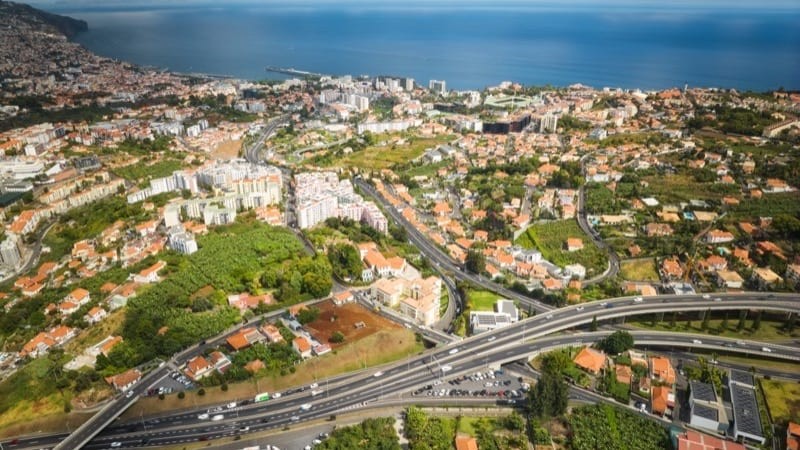
Funchal is the capital of Portugal's Madeira archipelago -- a subtropical Atlantic island 1,000 km southwest of Lisbon and 600 km west of Morocco. The city has emerged as one of Europe's most attractive smaller capital markets for remote workers, retirees, and digital nomads thanks to Madeira's special tax regime (low corporate tax, attractive personal tax options), year-round mild climate, and direct flights to 30+ European cities. Residential prices in Funchal range from EUR 3,500-6,500 per square metre, with gross yields of 5.0-7.5%. The Digital Nomad Village programme (launched 2021 in Ponta do Sol, expanding to Funchal) has cemented Madeira's digital-nomad brand. Foreign buyers face no restrictions in Portugal, and the broader Golden Visa programme (post-2023 reforms exclude residential, but commercial and fund options remain) provides residency pathways. For international buyers, Funchal offers EU/Eurozone safety, Atlantic island lifestyle, strong short-let demand from European tourists, and accessible pricing relative to Lisbon or Porto. The catch: smaller market depth than mainland cities, weather-dependent tourism cycles, and ferry/air-only logistics.
Lagos
Portugal
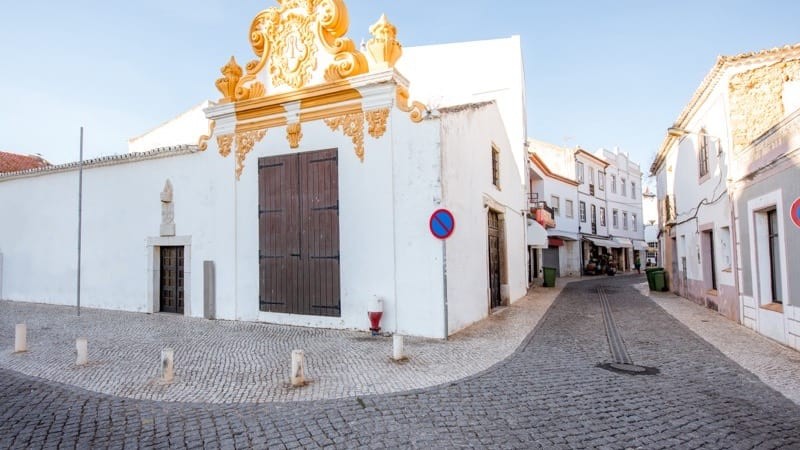
Lagos anchors the Western Algarve as one of Portugal's most sought-after coastal investment markets in 2026, blending a walled historic centre with the dramatic golden cliffs of Ponta da Piedade. Average asking prices reach roughly EUR 5,100-5,500 per square metre, placing Lagos among the priciest Algarve towns, with premium villa pockets commanding EUR 5,500-7,500+ per m2. Property values have climbed about 9% year-on-year as American and Northern-European demand outstrips limited new coastal supply. Gross rental yields run 5.0-6.5% in beach areas, with luxury short-term lets touching 8% in peak season. There are no general restrictions on foreign ownership in Portugal: EU and non-EU buyers alike can purchase freely with a Portuguese NIF tax number. However, the real-estate route to the Golden Visa was eliminated in October 2023 under the Mais Habitacao reform, so property purchases no longer grant residency, and the NHR tax regime closed to new applicants, replaced by the narrower IFICI+ scheme. Non-resident buyers should budget for IMT transfer tax, stamp duty and AL short-let licensing constraints, which are tighter in saturated tourist zones. Lagos remains favoured for its marina, blue-flag beaches, year-round expat community and forecast outperformance versus the wider region.
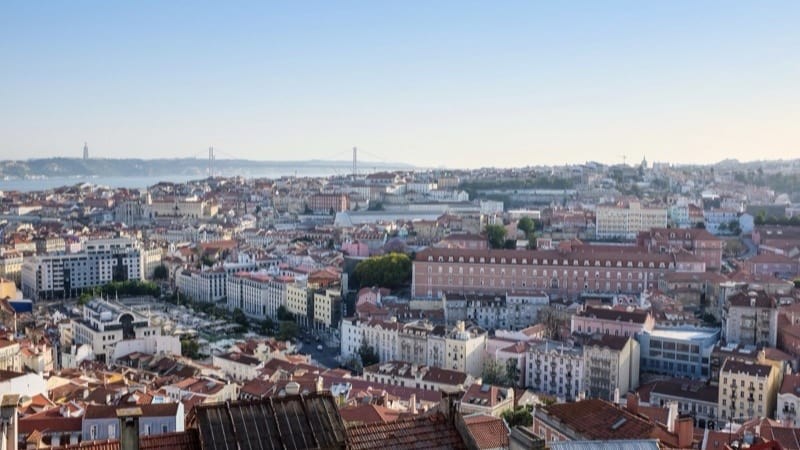
Lisbon City Guide
Portugal
Portugal's sun-drenched capital blends centuries of maritime history with a modern creative renaissance. From the medieval alleyways of Alfama where fado echoes at dusk, to the cutting-edge design studios of Santos and the modern waterfront of Parque das Nacoes, Lisbon offers investors and residents an extraordinary range of neighborhoods — each with its own character, investment profile, and lifestyle appeal. Lisbon has transformed from a hidden gem into one of Europe's most sought-after capitals, attracting tech companies, digital nomads, and international buyers drawn by its quality of life, competitive pricing relative to Western European peers, and Portugal's favorable Non-Habitual Resident tax regime. The city's startup ecosystem, anchored by the annual Web Summit, continues to drive demand for modern residential and co-living spaces.

Nazaré
Portugal
Nazaré is a Silver Coast fishing town turned global surf icon, famous for the record-breaking giant waves at Praia do Norte generated by the offshore Nazare Canyon. It pairs a traditional Portuguese seaside identity with a fast-growing year-round tourism and lifestyle economy. Average asking prices reached around EUR 3,588 per square metre in late 2025, though the wider Silver Coast still offers more accessible stock in the EUR 2,000-2,800 per square metre range, well below the Algarve. The town of roughly 15,000 residents is evolving from a seasonal surf draw into a year-round investment hub, with new waterfront luxury projects raising the ceiling. Gross rental yields on the Silver Coast average about 5%, with strong summer and surf-season short-let demand. Portugal imposes no nationality-based restrictions on residential ownership; EU and non-EU buyers hold freehold equally, although the Golden Visa property route ended in October 2023 and NHR was replaced by IFICI. With an hour-and-a-half drive to Lisbon, a unique global surf brand and value pricing, Nazare is a distinctive Silver Coast growth bet for 2026.
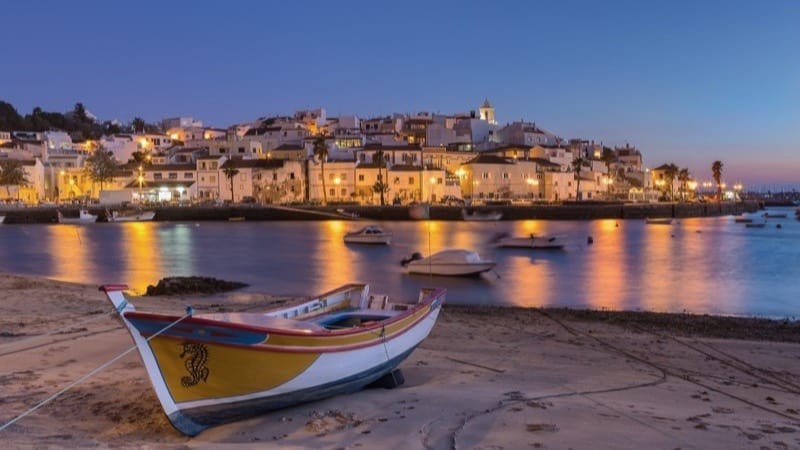
Portimão
Portugal
Portimão is the western Algarve's second-largest city and home to Praia da Rocha, one of Portugal's most famous golden-cliff beaches. It offers notably better value than the central-Algarve resorts: apartments average around EUR 2,100 per square metre and houses around EUR 2,200, while Atlantic-facing apartments reach about EUR 2,800 and prime villas exceed EUR 3,400 per square metre. The city blends a working riverside centre on the Arade estuary with resort beachfronts, marina berths and a regional hospital, giving it year-round life beyond the tourist season. Most forecasts point to 2-4% price growth through 2026, with Portimão flagged as a standout western-Algarve performer. Gross rental yields average around 5-6%, supported by buoyant beach tourism and short-let demand at Praia da Rocha. Portugal sets no nationality-based limits on residential ownership; EU and non-EU buyers hold freehold equally, though the Golden Visa real-estate route ended in October 2023 and NHR was replaced by IFICI. With Faro Airport an hour east, a marina, and lower entry prices, Portimão is the value-and-yield entry point to the Algarve for 2026.
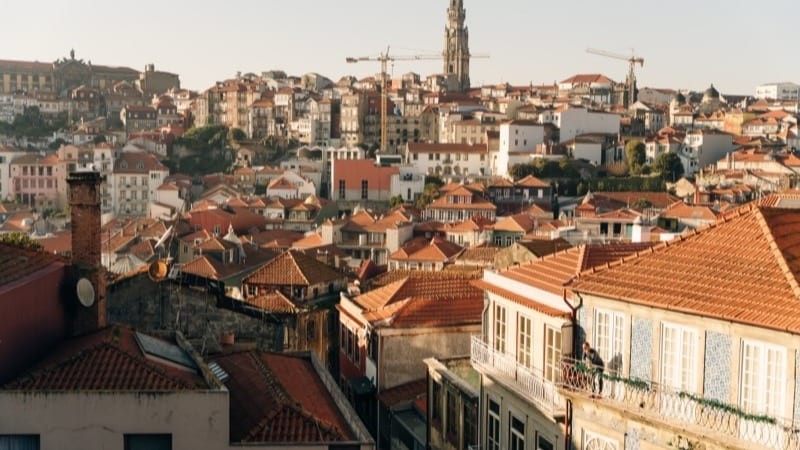
Porto City Guide
Portugal
Portugal's captivating second city blends UNESCO-listed medieval heritage with a thriving contemporary creative scene. From the iconic Ribeira riverfront where port wine barrels once floated down the Douro, to the bohemian galleries of Cedofeita and the upscale coastal elegance of Foz do Douro, Porto offers investors a diverse range of neighborhoods with strong growth potential and lifestyle appeal at prices still well below Lisbon. Porto's authenticity, world-class gastronomy, and architectural splendor have propelled it to multiple "Best European Destination" awards, driving tourism growth that has transformed the city's short-term rental market. The Douro Valley wine region at its doorstep and an expanding international airport make Porto increasingly accessible to global travelers and property investors.
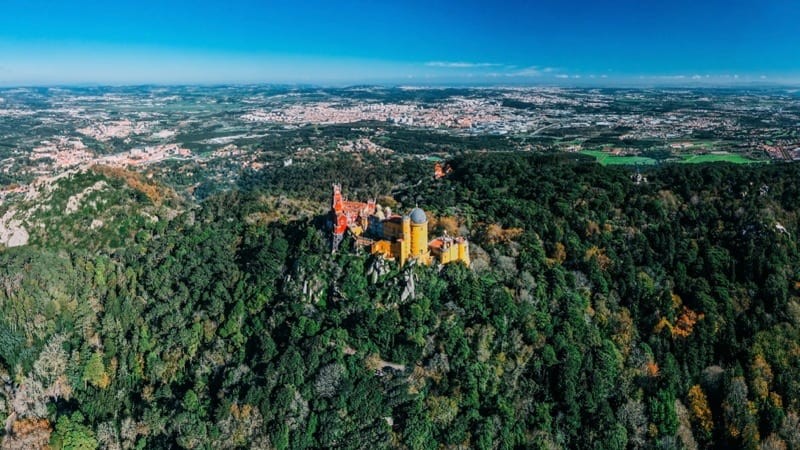
Sintra
Portugal
Sintra is a green, UNESCO-listed hill town just northwest of Lisbon, famed for its fairytale palaces, cooler microclimate and dense forest, yet firmly within the capital's commuter belt. In 2026 it offers a compelling value-and-yield story: average asking prices sit around EUR 3,300 per m2, markedly cheaper than Lisbon or neighbouring Cascais, while average gross rental yields are strong at roughly 6.4-6.8% and have held in a stable 6.0-7.5% band over the past five years. In Q3 2025 Sintra ranked among the most sought-after rental areas around Lisbon, blending heritage tourism with steady commuter and resident demand via the direct train line into the capital. Portugal imposes no general restrictions on foreign ownership, EU or non-EU, but the real-estate Golden Visa route was eliminated in 2023 and the NHR tax regime closed, replaced by the narrower IFICI+ scheme. Property purchases no longer confer residency. Buyers should budget for IMT, stamp duty and tighter short-let licensing in protected heritage zones. With heritage appeal, a cooler climate, strong yields and Lisbon-proximity value, Sintra suits investors seeking dependable rental income and capital growth in the greater-Lisbon market without the capital's price tag.
Tavira
Portugal
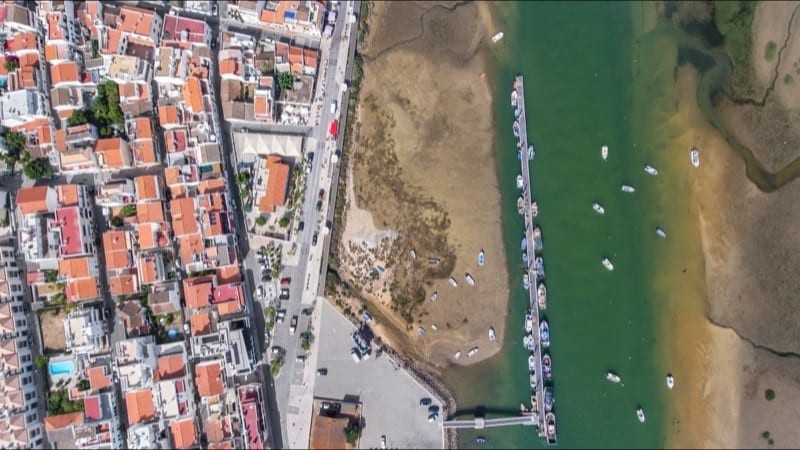
Tavira is the cultured jewel of the Eastern Algarve, a Moorish-rooted town straddling the Gilao river and edging the Ria Formosa lagoon. In 2026 it stands out as a top performer, posting roughly +10.4% year-on-year price growth, the strongest in the Eastern Algarve, while remaining notably more affordable than Lagos or Vilamoura. Apartment asking prices average around EUR 3,300 per m2, with houses and villas closer to EUR 3,700 per m2; completed properties broadly range from EUR 240,000 to EUR 750,000. Gross rental yields sit around 4.7%, with the wider Eastern Algarve at 4.5-5.8% on apartments and net yields nearer 2.8-3.3%. Crucially, Tavira sustains year-round demand rather than skewing to summer tourism, making it one of the region's most stable long-term rental markets, where foreign buyers account for around 92% of transactions in the luxury and new-build segments. Portugal imposes no general restrictions on foreign ownership for EU or non-EU buyers, though the real-estate Golden Visa route ended in 2023 and NHR was replaced by IFICI+. Buyers should budget for IMT and stamp duty. Tavira appeals to those prioritising authenticity, stability and value over resort buzz.
Vila Nova de Gaia City Guide
Portugal
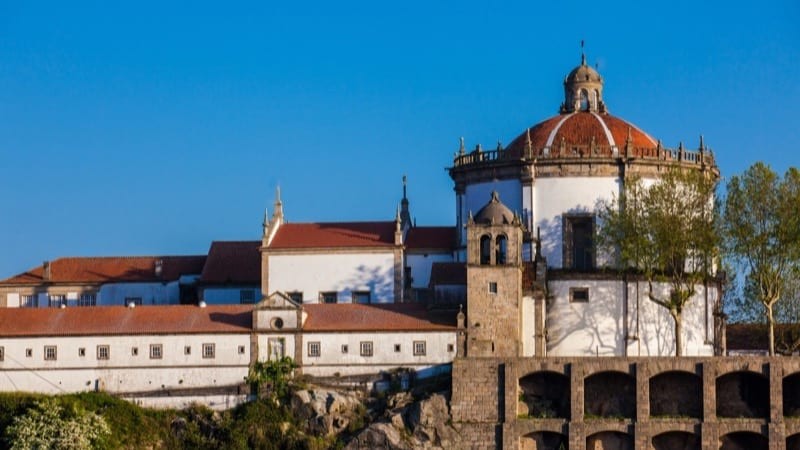
Vila Nova de Gaia is the populous south-bank twin of Porto, occupying the opposite shore of the Douro River within the Porto Metropolitan Area. It is globally known for the historic port-wine lodges (Sandeman, Graham's, Taylor's) lining the Cais de Gaia riverfront, directly facing Porto's UNESCO Ribeira across the Dom Luis I Bridge. Beyond wine tourism, Gaia offers a 17 km Atlantic coastline with beaches at Canidelo and Madalena, the Afurada fishing quarter and Douro Marina, and the WOW (World of Wine) cultural district built from renovated cellars. For foreign buyers its core appeal is price arbitrage: it trades roughly a third below central Porto while delivering comparable river views, beaches and an under-15-minute reach to Porto's historic centre. Two current catalysts stand out: the Porto Metro's new Rubi Line - an eight-station link with a fresh Douro crossing connecting Casa da Musica to Santo Ovidio in Gaia, opening in phases from 2026 - and sustained high-end redevelopment in Canidelo, Santa Marinha and Madalena.
Vilamoura
Portugal
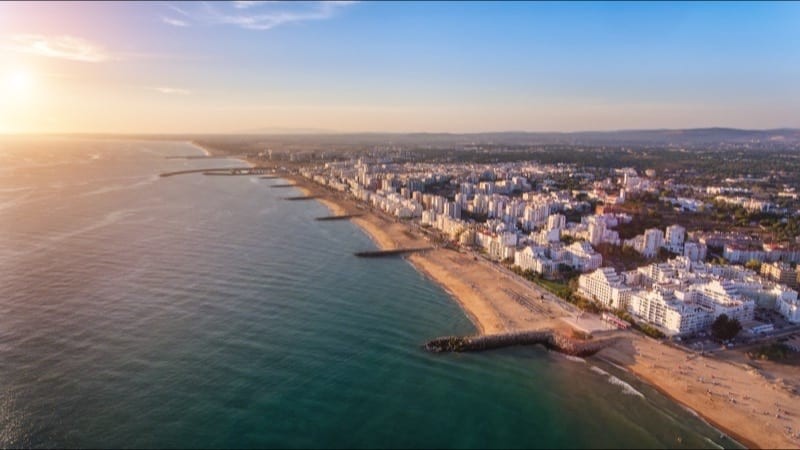
Vilamoura is the Algarve's flagship master-planned resort town, anchored by one of Europe's largest marinas and four championship golf courses across the Loulé municipality. In 2026 average prices sit around EUR 3,400-4,000 per square metre, with marina-front and Golden Triangle pockets reaching EUR 4,000-6,000 per square metre and luxury villas exceeding EUR 1 million. Resale one-bedroom apartments near the marina start near EUR 225,000 and new-build units from roughly EUR 260,000, while three-bedroom townhouses near the Pinhal and Millennium courses begin around EUR 700,000. Algarve prices rose about 9% year-on-year (around 7% real), driven by strong international demand against constrained coastal supply. Gross rental yields run 5-8%, among the highest in Portugal, helped by peak-season occupancy above 80%. Portugal places no nationality-based restrictions on residential purchases; EU and non-EU buyers own freehold on equal terms, though the Golden Visa real-estate route closed in October 2023 and the NHR tax regime was replaced by the narrower IFICI scheme. With a year-round resort economy, the DETAILS-led regeneration programme, and direct access via Faro Airport, Vilamoura remains the Algarve's blue-chip holiday-let and lifestyle play for 2026.
Óbidos
Portugal
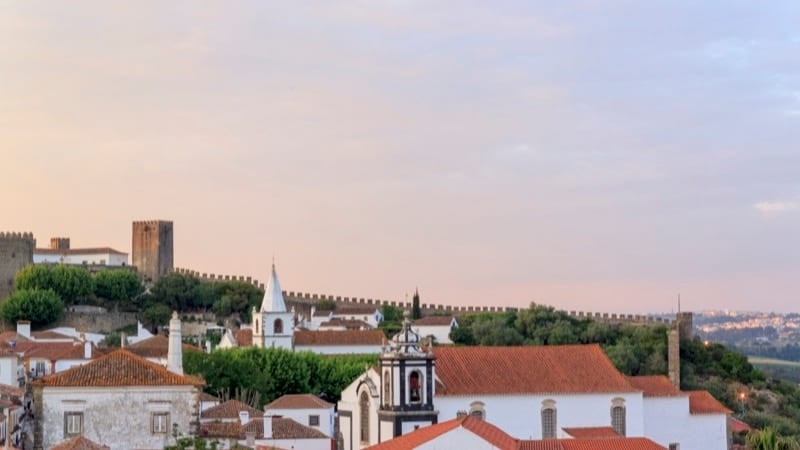
Óbidos is one of Portugal's best-preserved medieval walled towns, a postcard-perfect Silver Coast destination of cobbled lanes, whitewashed houses and a hilltop castle just over an hour northwest of Lisbon. Beyond the historic core, the municipality stretches to the Lagoa de Obidos lagoon and the Atlantic, where the Praia d'El Rey and Bom Sucesso resorts add championship golf and luxury beachfront villas. Average asking prices in the area run around EUR 2,800-3,935 per square metre, with villas averaging near EUR 3,657 per square metre; homes inside the medieval walls start near EUR 250,000 and reach EUR 750,000-plus for larger historic properties. The town proper has roughly 3,100 residents within a municipality of about 12,000. Silver Coast gross rental yields average around 5%, blending heritage and golf-resort tourism. Portugal sets no nationality-based ownership restrictions; EU and non-EU buyers hold freehold equally, though the Golden Visa property route ended October 2023 and NHR became IFICI. With heritage cachet, golf-resort glamour and Lisbon proximity, Obidos is a refined Silver Coast pick for 2026.

Al Khobar City Guide
Saudi Arabia
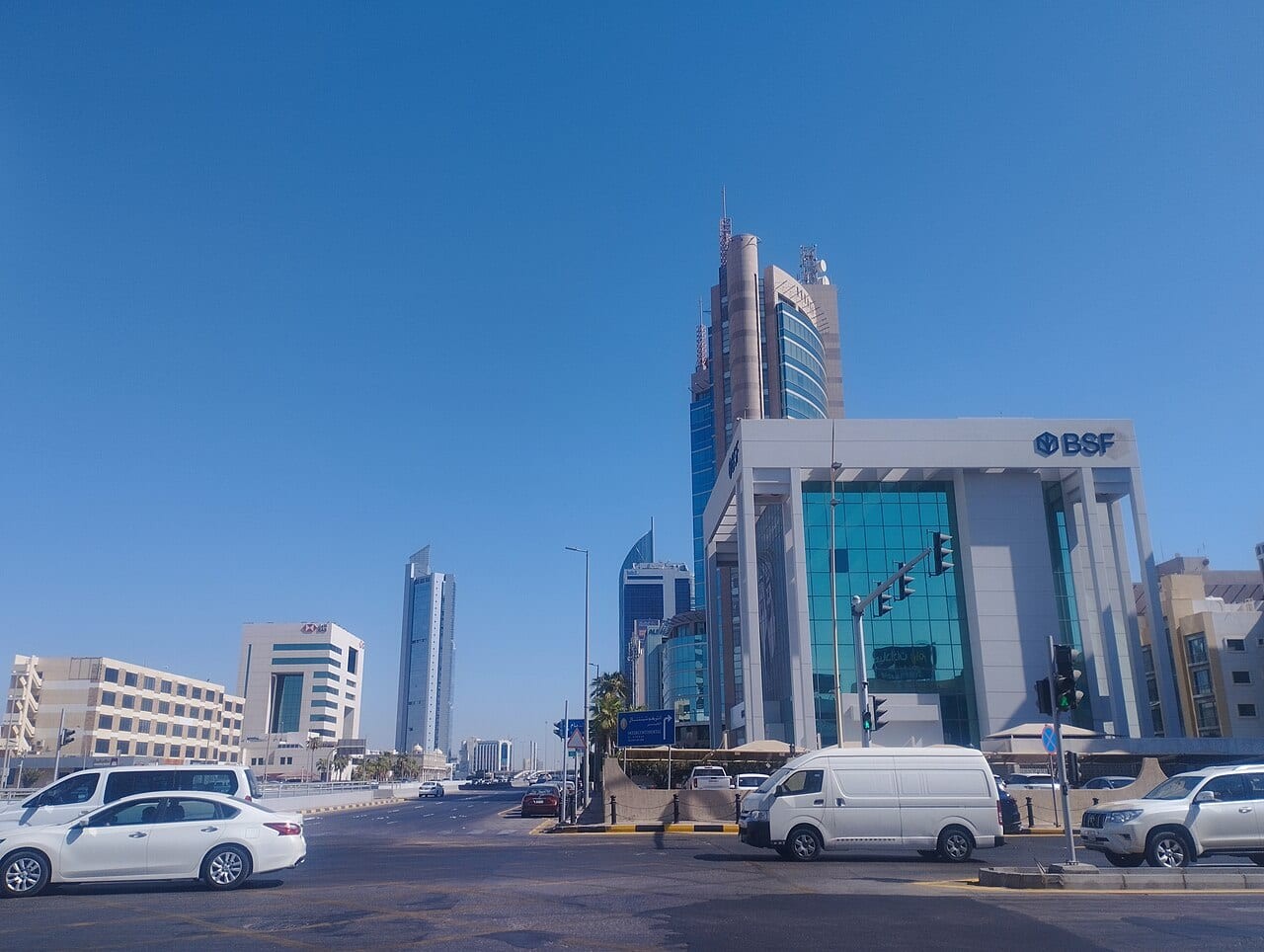
Al Khobar is the cosmopolitan waterfront hub of Saudi Arabia's Eastern Province, part of the Dammam-Khobar-Dhahran metropolitan triangle and home to a large, affluent expatriate workforce tied to Saudi Aramco's Dhahran headquarters and the wider oil-and-gas economy. Unlike the Holy Cities, Al Khobar sits within reach of Saudi Arabia's liberalising foreign-ownership regime: the national law effective January 2026 lets non-Saudis acquire property within designated geographic zones, and Premium Residency holders already have broader ownership rights. The metro added 428 residential units in Q3 2025 toward a total stock of around 725,000 units, and the Eastern Province is expanding on Aramco-driven demand for executive housing and gated communities. Khobar's Corniche waterfront and the Al Aqrabiyah district show some of the strongest long-term rental demand in the Kingdom. National gross rental yields ran about 6.8-7.3% in 2025, with no personal income tax on rents but a 5% Real Estate Transaction Tax on transfer.
Dammam City Guide
Saudi Arabia
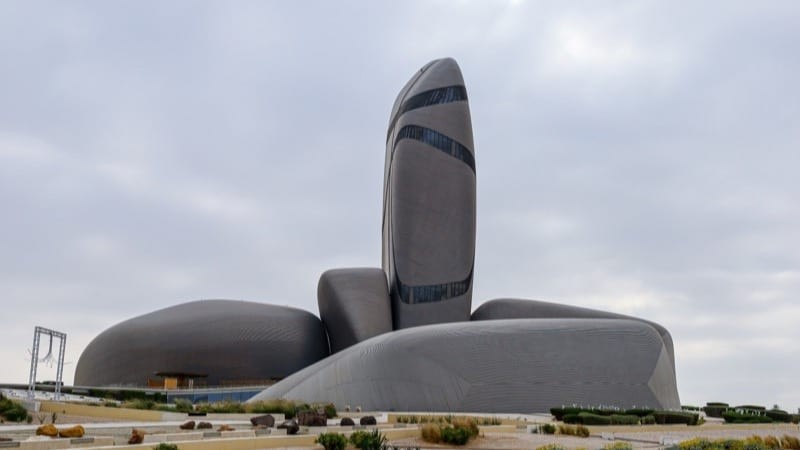
Capital of Saudi Arabia's Eastern Province and the beating heart of the Kingdom's energy economy, Dammam emerged in 2025 as the fastest-growing property market in Saudi Arabia. Anchored by Saudi Aramco's regional operations, the King Fahd Industrial Port, and the Dammam-Khobar-Dhahran metropolitan triangle, the city draws a deep base of energy-sector professionals, expatriate workers, and domestic end-users priced out of Riyadh and Jeddah. Investment attention concentrates on the Corniche-adjacent gentrification of Al Shati, established Al Faisaliyah, family-favoured Al Rawdah, and the improving infrastructure corridors of Al Rayan and Al Manar. Residential transactions reached roughly 3,000 in Q3 2025 - up nearly 60% year-on-year - with sales values climbing to SR3.2 billion. Apartments average around SAR 3,900 per square metre and villas roughly SAR 9,500, a meaningful affordability discount to the western metros that continues to pull both investors and owner-occupiers eastward. With Vision 2030 industrial diversification, expatriate relocation, and a comparatively modest 2026-2027 delivery pipeline of around 12,000 homes, Dammam enters 2026 with the supply-demand tension that has underpinned its surge.
Jeddah
Saudi Arabia
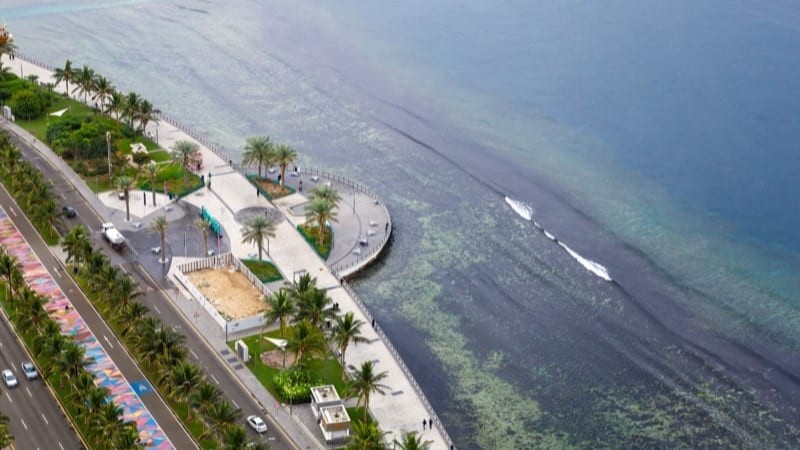
Jeddah is Saudi Arabia's commercial capital, second-largest city, and the historic gateway to the Holy Cities of Makkah and Madinah. The city sits on the Red Sea, has long been Saudi Arabia's most cosmopolitan and merchant-driven urban centre, and serves as the launchpad for the Red Sea Project, NEOM (north), and the broader western Saudi tourism opening. Residential prices in prime districts (Al Shati, Al Hamra, Al Rawdah, Al Zahra) run SAR 4,500-9,500 per square metre, with gross yields of 6.0-7.5% -- above Riyadh because Jeddah is NOT subject to the September 2025 rent freeze. This makes Jeddah the more attractive near-term yield play within Saudi Arabia for foreign buyers. For international buyers (post-2025 foreign ownership law), Jeddah offers Red Sea coastal positioning, the Hajj/Umrah economy (10+ million pilgrims annually), and unconstrained rental income growth. The catch: regulatory pace lags Riyadh, designated foreign-ownership zones may roll out later, and infrastructure quality is patchier than the capital.
Mecca City Guide
Saudi Arabia
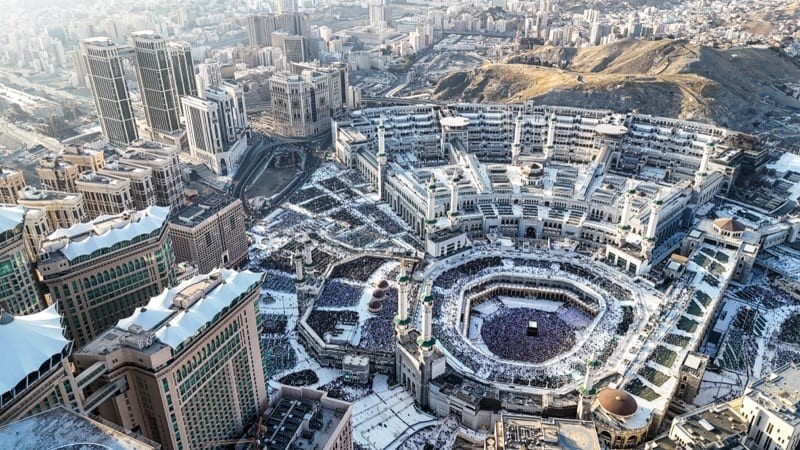
Mecca, capital of Makkah Province and Islam's holiest city, is home to the Masjid al-Haram and the Kaaba, drawing well over ten million Hajj and Umrah pilgrims a year and underpinning one of the world's most concentrated hospitality real-estate markets. For foreign investors this is the most restricted market in Saudi Arabia: the new national foreign-ownership law that took effect in January 2026 explicitly carves out Mecca and Medina as special high-restriction zones, so non-Saudis cannot freely buy property here. The realistic route is indirect, a January 2025 reform now lets foreign investors take stakes in listed companies that own real estate in the two Holy Cities, alongside long leasehold structures (up to 99 years) typically tied to pilgrim-accommodation and hotel schemes. Mecca residential prices actually softened, falling about 2.1% in Q1 2025 even as Riyadh surged, reflecting an oversupplied pilgrim-housing segment rather than scarcity. The investment case is hotel and serviced-apartment leasehold yield driven by year-round religious tourism, not freehold capital gains.
Medina City Guide
Saudi Arabia
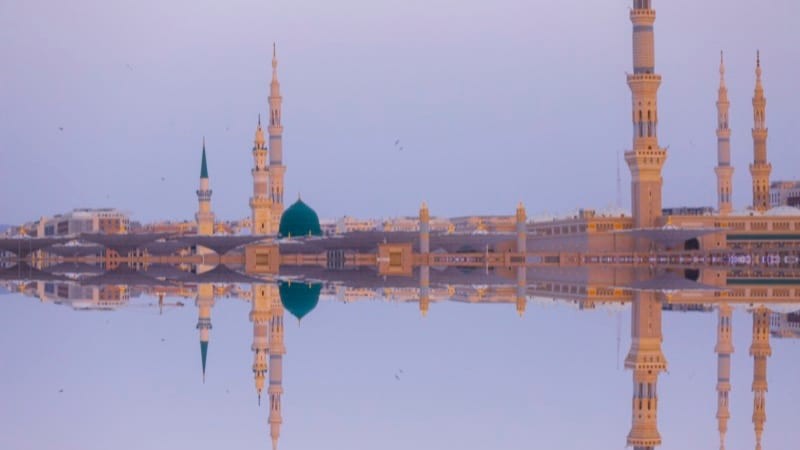
Medina, capital of Al Madinah Province and the second-holiest city in Islam, is built around Al-Masjid an-Nabawi (the Prophet's Mosque) and absorbs the bulk of Hajj and Umrah pilgrims alongside Mecca, making pilgrim accommodation its dominant real-estate sector. Like Mecca, Medina is a special high-restriction zone under Saudi Arabia's foreign-ownership law that took effect in January 2026, so foreigners cannot freely purchase freehold; non-Muslims are barred from owning inside the city's sacred boundaries, and non-Saudi Muslims face special conditions set out in the executive regulations. Since January 2025 foreign investors may instead take equity stakes in listed companies that own property in the Holy Cities, and long leasehold (up to 99 years) is the practical vehicle for hotel and serviced-apartment exposure. The wider Saudi residential index slipped about 2.2% over the year to Q4 2025, and Medina shares the oversupplied pilgrim-housing dynamic, so the realistic thesis is occupancy-led hospitality income near the Central Area rather than freehold capital growth.
Riyadh
Saudi Arabia
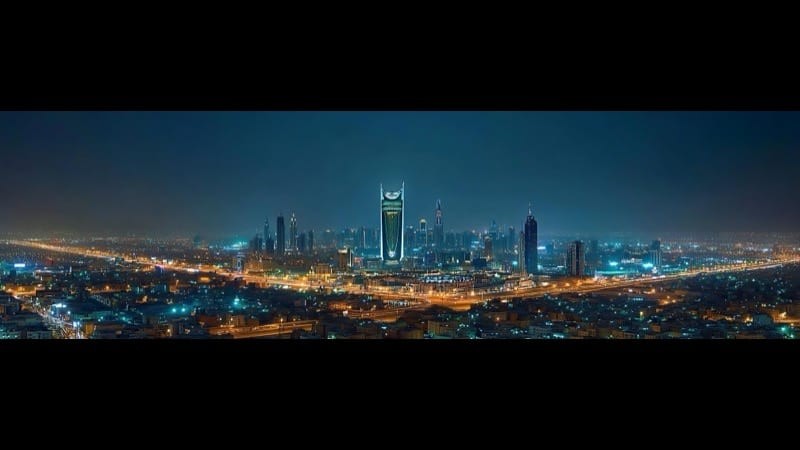
Riyadh is Saudi Arabia's capital, largest city, and the epicentre of Vision 2030 transformation. The city has grown from 3 million residents in 2000 to ~8 million today and is projected to reach 15-20 million by 2030 as the Crown Prince's Vision 2030 plan relocates regional HQs, expands government employment, and drives population in-migration. Residential prices in upscale districts (Al Olaya, Al Malqa, Al Narjis, Diplomatic Quarter, Hittin) command SAR 6,000-12,000 per square metre, with gross yields of 5.8-7.2%. The September 2025 5-year rent freeze (effective through September 2030, within the city's urban boundary) is the defining market feature -- it caps rental income growth at zero in real terms for new investors, a material negative driver. Capital values continue to appreciate, however, on supply tightness and Vision 2030 demand. For international buyers (post the 2025 foreign ownership law, effective January 2026), Riyadh offers first-mover access to one of the world's most ambitious capital city transformations, USD-pegged currency, and zero personal income tax. The catch: foreign ownership is only allowed in designated zones, and the rent freeze caps near-term rental yield growth.

Cape Town City Guide
South Africa
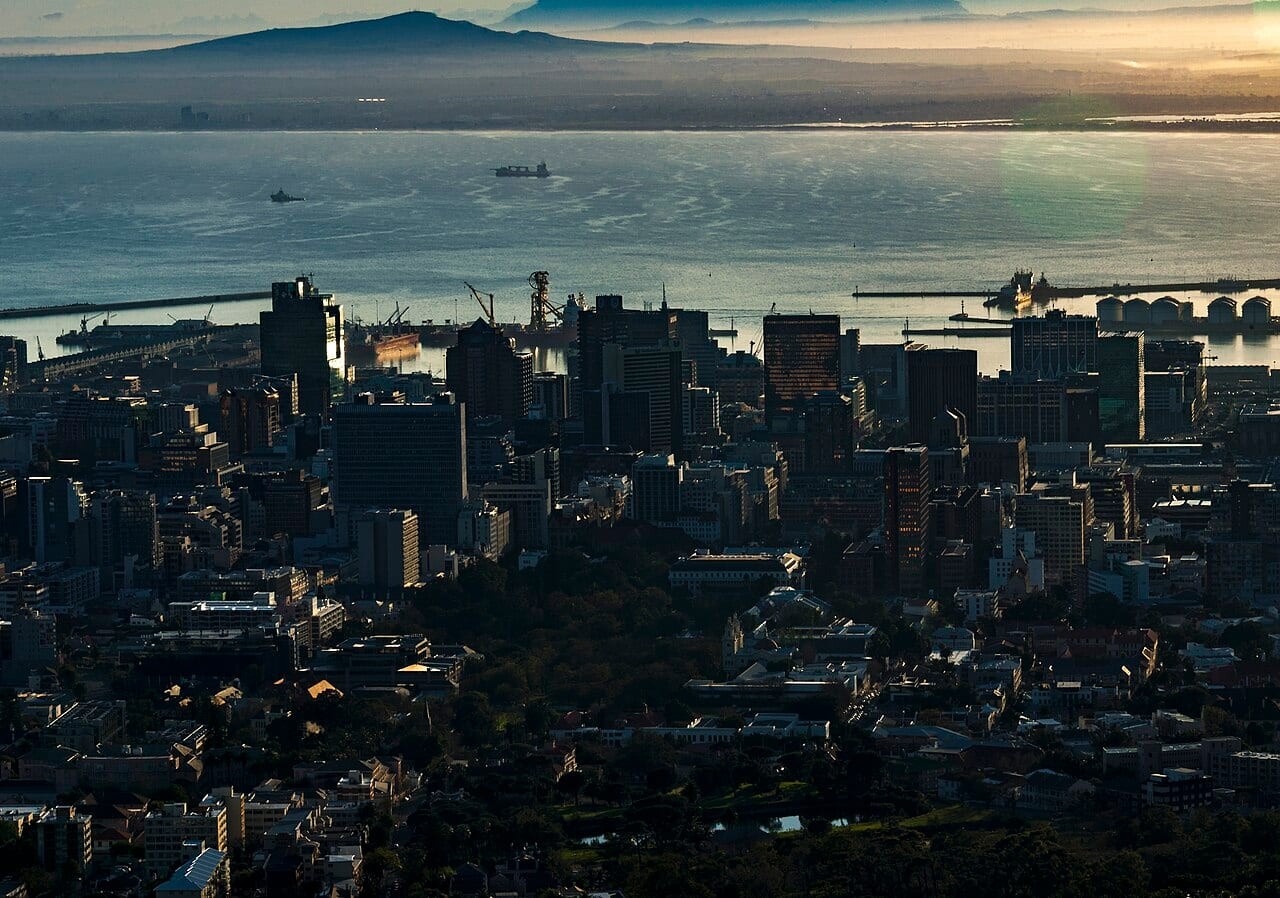
Cape Town is South Africa's second-largest city and legislative capital, wrapped around the City Bowl beneath Table Mountain and fringed by the Atlantic Seaboard's beaches (Clifton, Camps Bay, Sea Point). It is consistently the country's strongest residential market: Western Cape house prices rose roughly 8–10% in the year to 2025 versus a national average nearer 4–5%. The dominant demand driver is 'semigration', affluent South Africans relocating from Gauteng and KwaZulu-Natal to the Western Cape for lifestyle, governance and safety, layered on strong international demand and an outsized tourism economy. The city is also South Africa's leading technology hub ('Silicon Cape', 450+ tech firms incl. Amazon's African operations), underpinning professional rental demand, and one of the world's largest Airbnb markets (the V&A Waterfront alone draws ~24m visitors a year). National load-shedding, severe through 2023, had largely ceased by 2025 (200+ blackout-free days), though most premium properties still run backup solar/inverters. For foreign investors, ownership is open, non-residents buy freely; the main constraint is exchange-control financing (typically max ~50% local mortgage, the balance brought in from offshore). There is NO property-based golden visa, buying grants no residency. The rand is volatile, which lowers euro entry costs but adds currency risk to returns.