City guides
City guides (402)
Adelaide City Guide
Australia
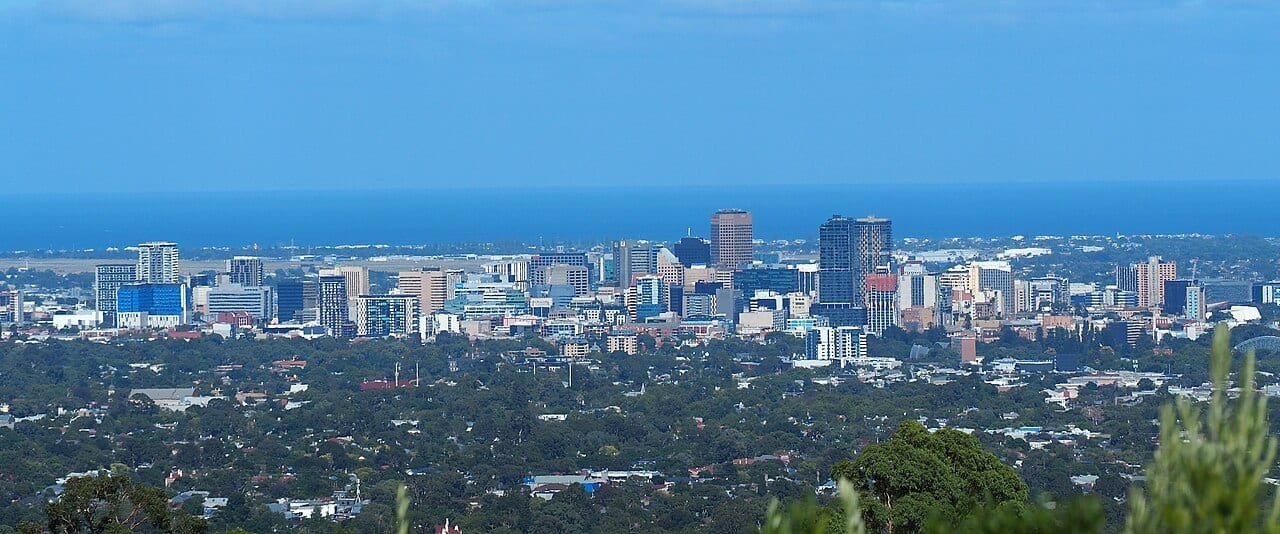
Adelaide, capital of South Australia and home to roughly 1.47 million people in the Greater Adelaide region, has shifted from 'affordable also-ran' to one of Australia's standout property markets - dwelling values rose ~12% over 2025 and around 79% over five years, yet it remains cheaper than Sydney and Melbourne. The city anchors the Barossa Valley and Adelaide Hills wine regions, hosts a renowned festivals calendar (Adelaide Fringe, WOMADelaide), and is the national hub for defence and space, including AUKUS submarine construction at Osborne and the Australian Space Agency. Foreign-buyer context (whole of Australia): purchases require FIRB approval, and foreign buyers are generally restricted to NEW dwellings, off-the-plan apartments or development land - not established homes - with a temporary ban on foreign purchases of established dwellings running 1 April 2025 to 30 June 2029. In South Australia, foreign buyers also pay a 7% Foreign Ownership Surcharge on residential land on top of standard transfer duty.
Brisbane
Australia
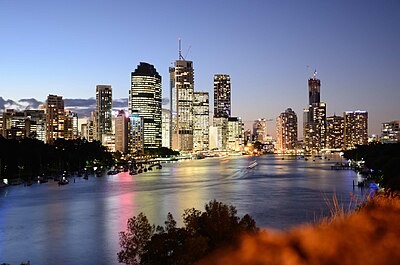
Brisbane is Australia's fastest-appreciating major property market and the host city for the 2032 Olympic and Paralympic Games. The Queensland capital's economy surpassed AUD 200 billion in 2024, driven by infrastructure investment, interstate migration, and a subtropical lifestyle that attracts residents from Sydney and Melbourne. With median house prices crossing AUD 1 million in 2025 — still significantly below Sydney — Brisbane offers compelling value and is undergoing a once-in-a-generation urban transformation.
Gold Coast City Guide
Australia
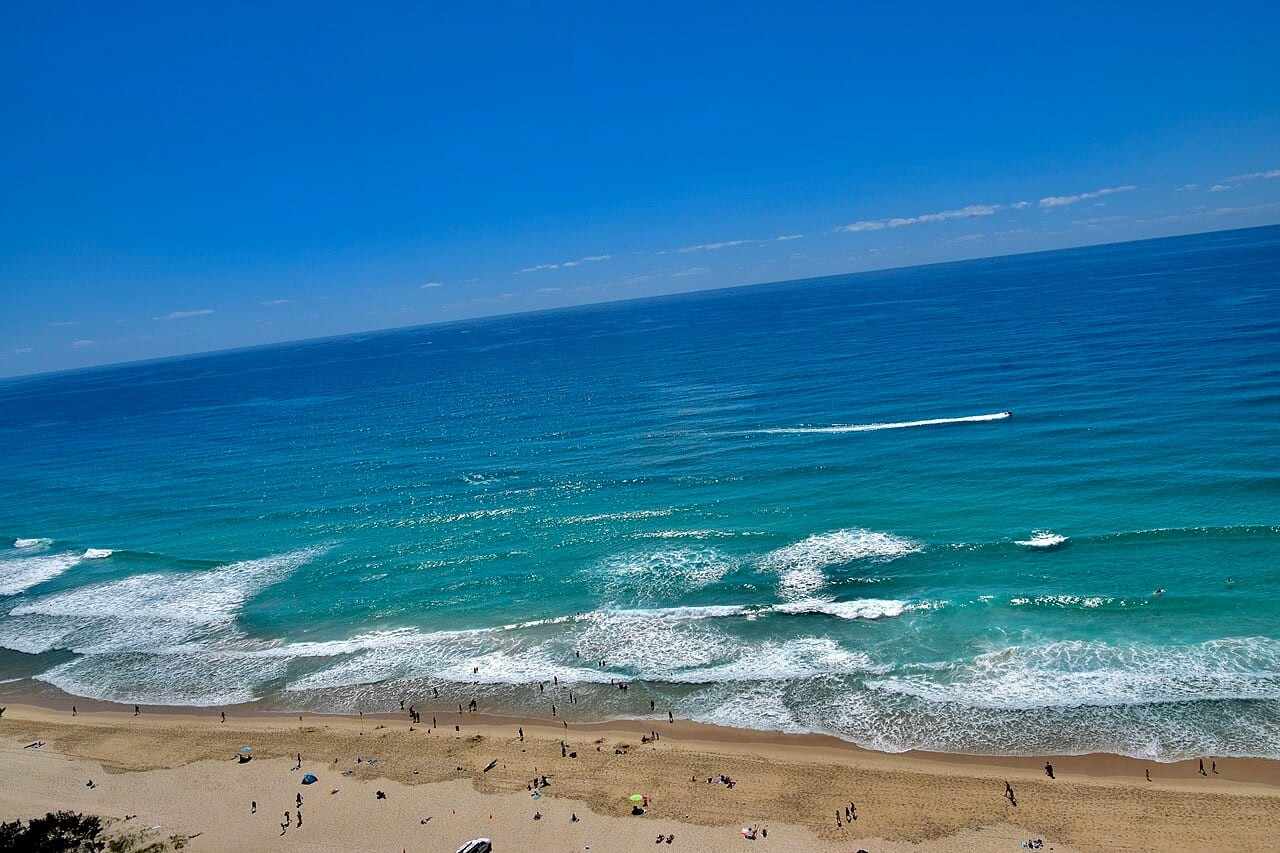
The Gold Coast is a coastal city in Queensland, Australia, about 70 km south of Brisbane, famed for 57 km of surf beaches and the entertainment hubs of Surfers Paradise and Broadbeach. Australia's sixth-largest city, it has shifted from a holiday destination to a permanent lifestyle-migration magnet, drawing interstate movers (chiefly from Sydney and Melbourne) for its climate, beaches and relative affordability. Investor appeal rests on sustained population growth, chronic housing undersupply, sub-1.5% rental vacancy and the Brisbane 2032 Olympics infrastructure pipeline; a current catalyst is Light Rail Stage 3 to Burleigh Heads, due to open mid-2026 (the airport-bound Stage 4 was cancelled in September 2025). Foreign-buyer rules are restrictive: all foreign buyers need Foreign Investment Review Board (FIRB) approval and are generally limited to NEW dwellings or off-the-plan, not established homes, and a temporary ban on foreign purchases of established dwellings runs 1 April 2025 to 30 June 2029. Queensland also levies an 8% Additional Foreign Acquirer Duty plus a 3% land-tax foreign surcharge.
Melbourne
Australia
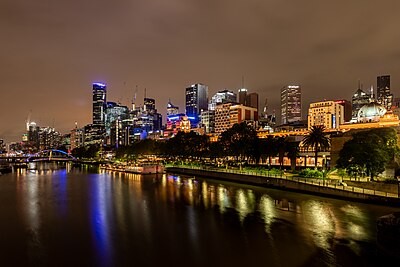
Melbourne is Australia's cultural capital and fastest-growing major city, celebrated for its world-renowned coffee culture, street art, live music scene, and sporting events. With a population approaching 5.5 million and annual growth of 2.7%, Melbourne is projected to overtake Sydney as Australia's largest city within the next decade. The property market offers relative value compared to Sydney, with a median house price around AUD 970,000 and strong fundamentals driven by population growth and infrastructure investment.
Perth City Guide
Australia
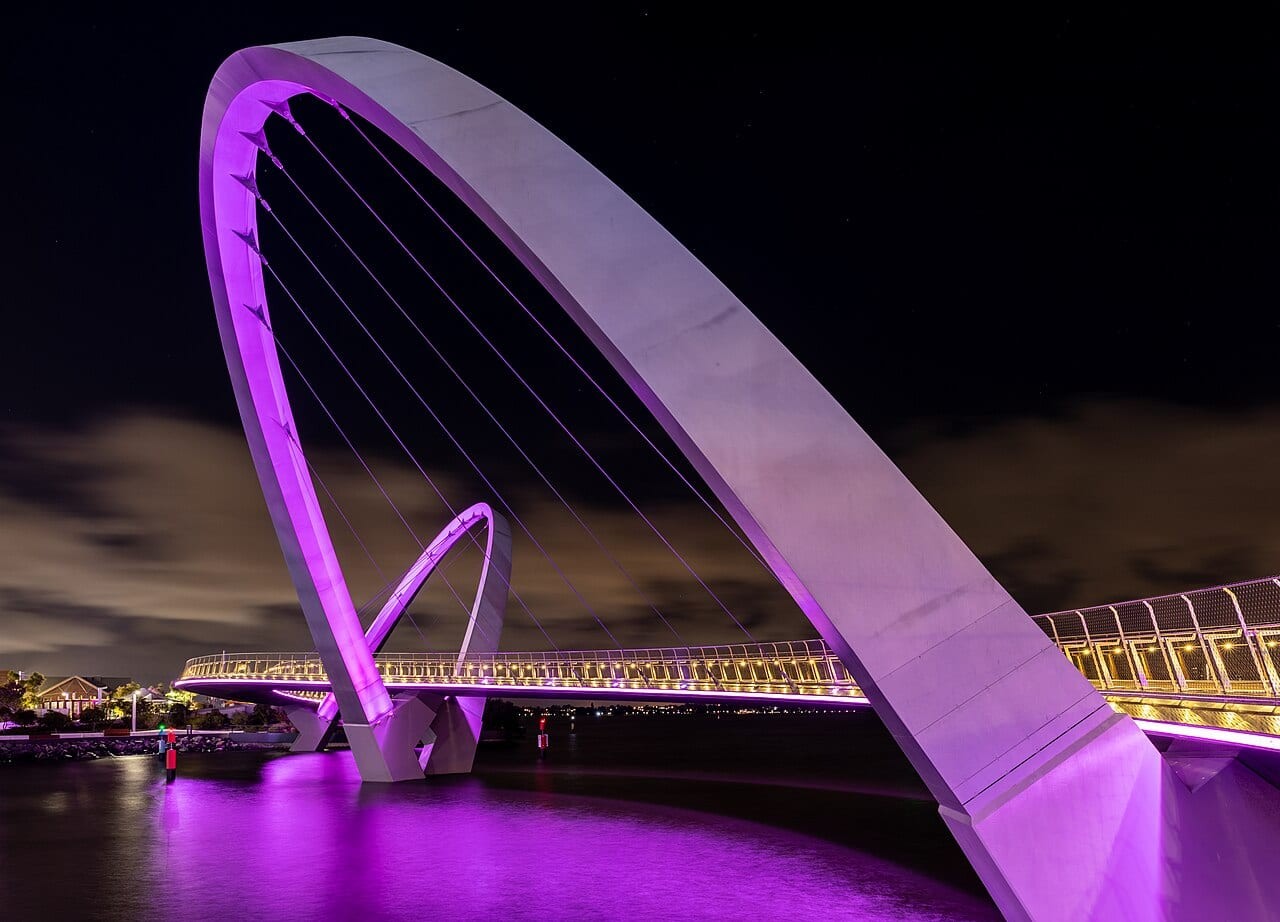
Perth is the capital of Western Australia and one of the most isolated major cities on earth, anchoring a state powered by iron ore, gas, gold and lithium exports. That resources wealth, combined with a Mediterranean climate, world-class beaches (Cottesloe, Scarborough) and the Swan River foreshore, underpins a relaxed, high-amenity lifestyle. After years as Australia's most affordable capital, Perth has been the standout performer of the recent cycle, with REIWA reporting a record median house price of AUD 840,000 in December 2025 (up 12% over the year) and units up 18%. Foreign buyers face Australia-wide rules: FIRB approval is required before purchase, foreigners are generally restricted to NEW dwellings and off-the-plan stock, and a temporary ban on foreign purchases of established dwellings runs 1 April 2025 to 30 June 2029. In Western Australia a 7% foreign-buyer transfer-duty surcharge applies on residential acquisitions (though WA, unlike NSW/Victoria/Queensland, does not levy a foreign-owner land-tax surcharge).
Sydney
Australia
Sydney is Australia's largest and most iconic city, renowned for the Sydney Opera House, Harbour Bridge, and its stunning coastal lifestyle. As the nation's financial capital and home to the ASX, it offers world-class dining, diverse culture, and a property market that consistently ranks among the most dynamic in the Asia-Pacific. Greater Sydney's median house price surpassed AUD 1.6 million in 2025, driven by constrained supply and sustained demand from both domestic and international buyers.
Baku City Guide
Azerbaijan
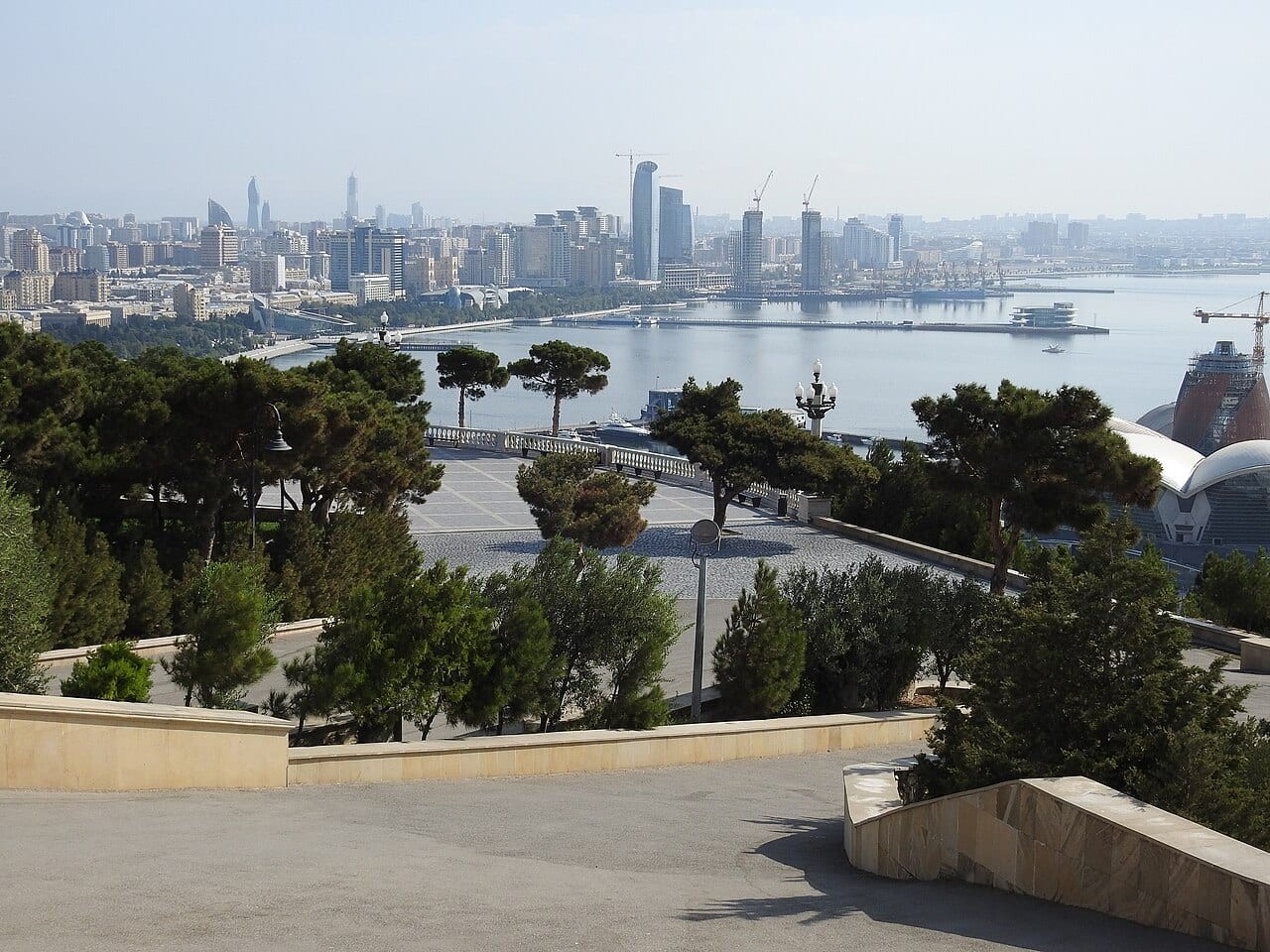
Azerbaijan's energy-rich capital wraps a UNESCO-listed walled Old City (Icherisheher) and the flame-shaped towers of its modern skyline around the Caspian Sea, anchoring roughly a quarter of the national population and the lion's share of GDP. The central districts of Nasimi, Yasamal, Narimanov and Nizami form the prime apartment market, where completed homes trade at around AZN 2,700 (roughly USD 1,600) per square metre, while off-plan stock in outer Surakhany, Binagadi and Khatai starts nearer AZN 1,100-2,600 per square metre. Demand is led by domestic buyers protecting capital against inflation alongside a growing pool of Gulf and regional investors, and rental rates have been the standout story, climbing close to 8% through end-2025 as tenant demand outpaced new supply. The waterfront Boulevard, White City regeneration zone and the Port Baku district concentrate the most liquid premium product. With prices projected to rise a measured 5-6% in 2026 and gross long-let yields in a realistic 6-9% band, Baku offers an accessible Eurasian entry point bridging European and Middle Eastern capital flows.
Dubrovnik City Guide
Croatia
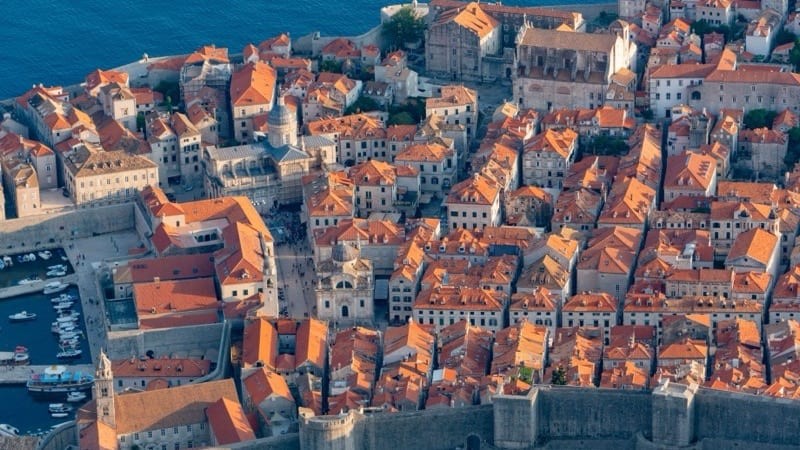
Dubrovnik is Croatia's most-prestigious coastal city and the 'Pearl of the Adriatic' — population 41,562 (city, only ~4,000 living within the UNESCO Old Town walls). The Old City of Dubrovnik was inscribed UNESCO World Heritage in 1979 — its medieval city walls, baroque streets, and limestone architecture have made it one of the Mediterranean's most-recognised destinations (further amplified by Game of Thrones filming the King's Landing scenes here 2011-2019). The city's prime market is ultra-luxury: Old Town €7,000+/m² with prime seafront/Old Town locations reaching €10,000/m². Even outside the Old Town, Dubrovnik commands €4,151-€4,700/m² (Jan 2026) — making it Croatia's most-expensive coastal market, 37% above Split. Foreign buyers dominate the ultra-prime segment: UK, US, German, Russian, Gulf-state, and increasingly Asian ultra-HNW.
Hvar
Croatia
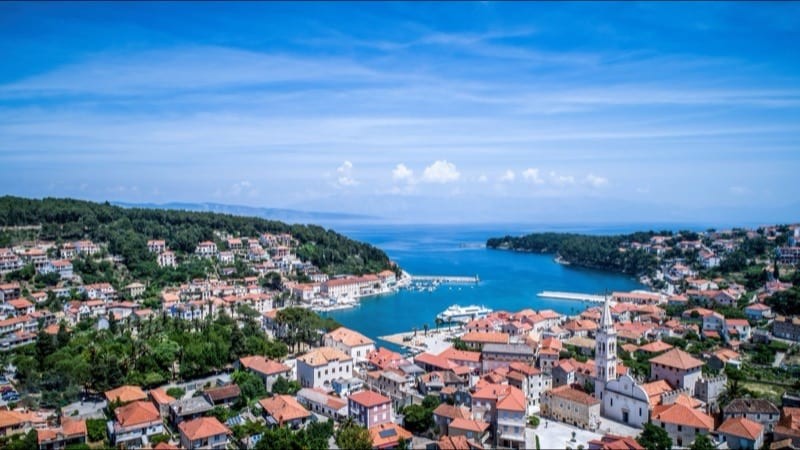
Hvar is Croatia's glamour island, a sunlit Dalmatian destination where Hvar Town's Venetian piazza and Spanjola fortress sit above a yacht-filled harbour, and lavender fields and vineyards roll across the interior. It ranks among Croatia's most expensive markets alongside Dubrovnik, Opatija and Rovinj, with asking prices in Hvar municipality averaging around 4,530 EUR per m2 in 2026 and luxury seafront villas (200-350 m2) trading from roughly 1.5 to 6 million EUR. The Croatian islands carry a 15-25% per-m2 premium over the mainland, driven by limited buildable land and intense summer demand. Furnished stock dominates at over 75% of listings, as most homes double as short-term rentals. Island price growth, which ran double-digit in recent years, is now cooling to a more sustainable 3-7% for 2026. Gross yields are modest at roughly 3-3.5% given high values, but Hvar Town commands the strongest nightly rates and occupancy in the country. EU, EEA and Swiss buyers purchase freely; non-EU nationals buy via reciprocity with ministry approval. A 2025 annual property tax of 0.60-8 EUR per m2 applies.
Makarska
Croatia
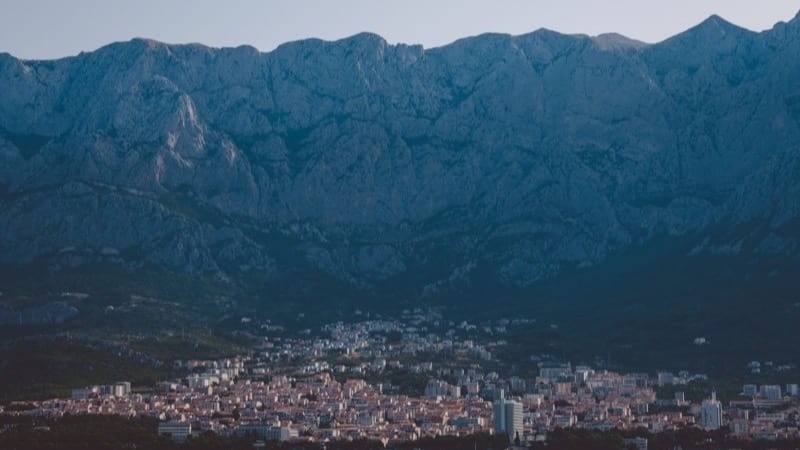
Makarska is the capital of the Makarska Riviera, a dramatic 60 km stretch of pebble beaches squeezed between the Adriatic and the towering Biokovo massif, about 90 minutes south of Split. Its palm-lined harbour, long Donja Makarska beach and pine-shaded promenade make it one of Dalmatia's premier beach-tourism markets. In 2025 Central Dalmatia averaged roughly €4,090/m², with Makarska-area apartments slightly below that on larger supply; first-row seafront apartments on the riviera start near €2,500/m² and prime new builds reach €4,500-5,500/m². Gross rental yields sit around 4-5%, supported by record 2025 visitor numbers and intense July-August occupancy that makes summer short-lets highly productive. Croatian prices are forecast to rise 4-7% in 2026, coastal towns at the upper end. EU, EEA and Swiss nationals buy on the same terms as Croatians; non-EU buyers acquire via the reciprocity principle with Ministry of Justice consent (1-6 months), with OECD-parity reforms approaching. Investors weigh Makarska's exceptional beach product and rental engine against pronounced seasonality. The town suits buyers wanting a high-occupancy beach-let or a sun-and-mountain lifestyle base in Central Dalmatia.
Opatija
Croatia
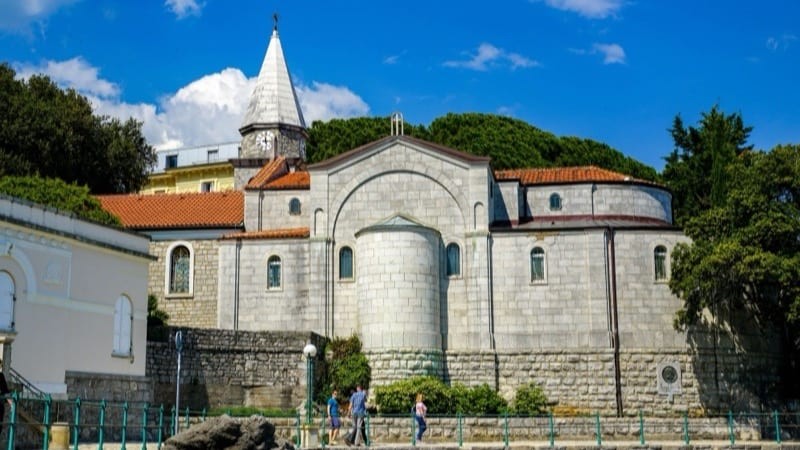
Opatija is Croatia's grande-dame Riviera resort on Kvarner Bay, a Habsburg-era spa town of Belle Époque villas, manicured parks and the famous 12 km Lungomare coastal promenade, 15 minutes from Rijeka and its airport links. It is the single most expensive residential market in Croatia, averaging roughly €5,340/m² in 2025, with premium and luxury stock typically €4,000-7,000/m² and trophy villas far higher. The luxury segment is deep: villa and penthouse listings routinely run €1.5m-11m. Gross rental yields are modest at around 3-4%, reflecting high capital values and a more year-round, wellness-and-conference clientele rather than pure beach seasonality. Some 2026 forecasts flag possible consolidation in the Lovran/Opatija premium band after strong recent gains, while nationally prices are seen rising 4-7%. Major investment continues, including a five-star Marriott-branded Riva's Hotel under construction at nearby Ičići. EU, EEA and Swiss buyers purchase freely; non-EU buyers acquire via reciprocity with Ministry of Justice consent (1-6 months), with OECD parity approaching. Opatija suits buyers prioritising prestige, year-round amenity and capital preservation over high yield. Its blend of heritage, healthcare and luxury hospitality makes it Croatia's premier blue-chip coastal address.
Poreč
Croatia
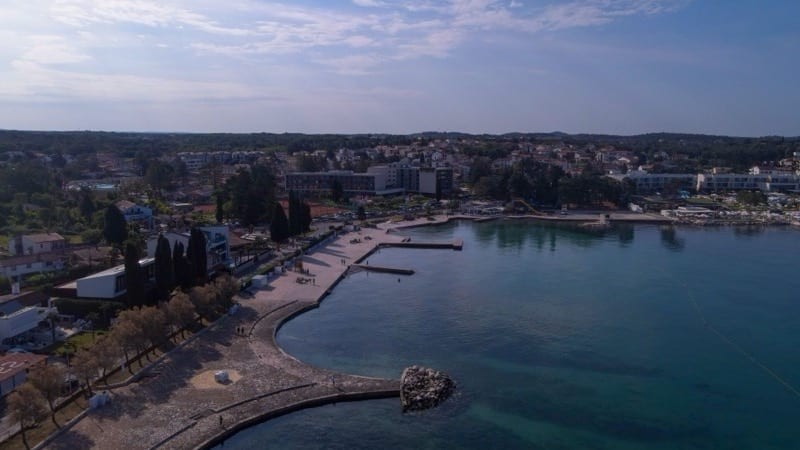
Poreč is western Istria's flagship tourist town, a peninsula old town crowned by the UNESCO-listed Euphrasian Basilica and ringed by the vast Plava Laguna and Zelena Laguna resort zones. Its blend of heritage, mass-tourism infrastructure and proximity to Italy and Central Europe makes it one of Croatia's strongest second-home and rental markets. Poreč apartment prices run roughly €3,350-4,000/m², with the wider Istria average about €3,744/m² in January 2026, up around 3.8% year on year; as an Istrian tourism hotspot, Poreč has seen some of the fastest local growth, with annual gains reported in the high single digits to mid-teens. Gross rental yields are attractive at around 5%, supported by record 2025 visitor numbers and strong German, Austrian and UK second-home demand; foreigners account for roughly 37.5% of Croatian transactions. National prices are forecast to rise 4-7% in 2026, Istria at the firmer end. EU, EEA and Swiss buyers purchase on equal terms; non-EU buyers acquire via reciprocity with Ministry of Justice consent (1-6 months), with OECD parity approaching. Poreč suits investors wanting a proven holiday-let market with heritage appeal, deep tourism infrastructure and a short reach to Western European feeder markets.
Pula City Guide
Croatia
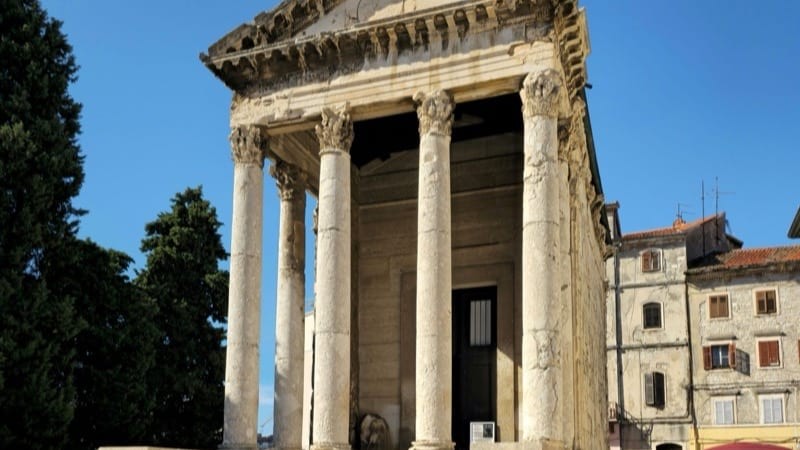
Pula is the largest city on the Istrian peninsula and Croatia's most underrated coastal-investor market, a Roman city with one of the world's best-preserved 1st-century amphitheatres (the Pula Arena), an Adriatic coastline of pine-shaded coves, and property prices that remain materially below Rovinj and South Dalmatia for comparable coastal lifestyle. Croatia's January 2023 Eurozone accession eliminated currency-conversion friction for EU buyers, and Pula's strong cultural identity, university (University of Pula / Sveučilište Jurja Dobrile), and shipbuilding-engineering economic base differentiate it from purely tourist-driven Croatian markets. The city's identity is shaped by overlapping waves of history, Roman, Venetian, Austro-Hungarian, Italian, and Yugoslav, and a diaspora-returning buyer base from Italy, Slovenia, Germany, and Croatian-descent second-generation Europeans is materially driving the current market. The 2026 annual property tax (replacing the prior holiday-home levy) sets the new operating cost baseline for non-residents and STR investors.
Rovinj
Croatia
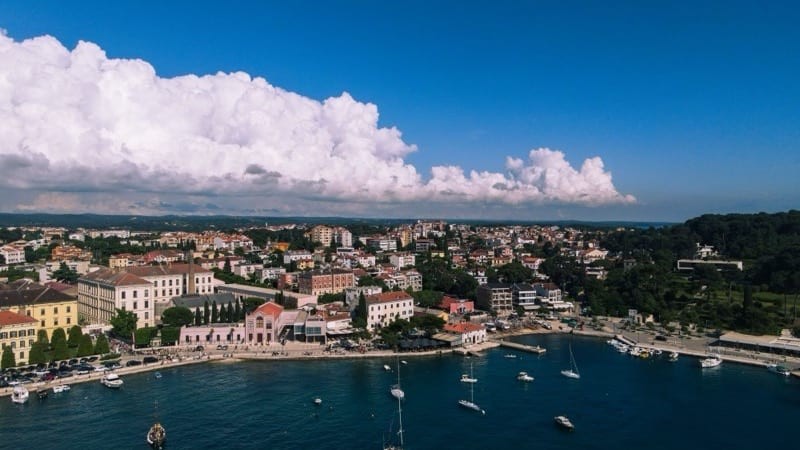
Rovinj is Istria's blue-chip address and one of Croatia's most internationally sought coastal towns, where a romantic Venetian old town crowned by St Euphemia's basilica meets a cluster of five-star resorts and marinas. In 2025-2026, apartment prices average roughly 3,500-5,000 EUR per m2, with prime renovated sea-view and old-town stock and new luxury developments reaching 4,000-7,000 EUR per m2, putting Rovinj alongside Split, Dubrovnik and Opatija at the top of the national price table. Supply is structurally tight, especially inside the protected old town, so values have ridden the national 10-13% 2025 surge and are expected to keep firming even as growth normalises to mid-single digits in 2026. Gross rental yields are modest at around 3-3.5%, reflecting high capital values, but Rovinj's brand strength delivers exceptional occupancy and premium nightly rates across a long Istrian season. EU, EEA and Swiss buyers purchase freely; non-EU nationals (UK, US, Australia, Argentina, Brazil and others) buy under Croatia's reciprocity regime with ministry approval. German and Austrian buyers dominate foreign demand. A 2025 annual property tax of 0.60-8 EUR per m2 now applies.
Split City Guide
Croatia
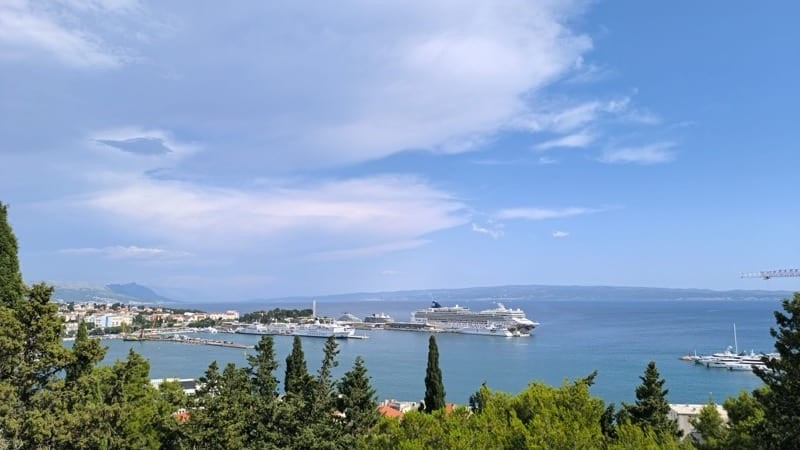
Split is Croatia's second-largest city and the cultural capital of Dalmatia — population 161K (city) / 346K (county). The Old Town centres on the 4th-century Diocletian's Palace (UNESCO 1979, one of the world's largest Roman palaces still in continuous use — ~3,000 people live within the former palace walls today). Split combines this heritage with the Adriatic ferry terminus (gateway to Hvar, Brač, Vis, Korčula), the Marjan Hill peninsula, the Bačvice Beach, and a rapidly-growing foreign-buyer property market dominated by UK, German, US, Italian, and Northern European buyers. Average property prices reached €5,183-€5,258/m² in September 2025 (+13.85-14.16% YoY) — among Croatia's strongest appreciations. Prime neighbourhoods (Old Town, Bačvice, Zenta, Meje under Marjan) reach €4,000-€5,000+/m² for quality properties.
Trogir
Croatia
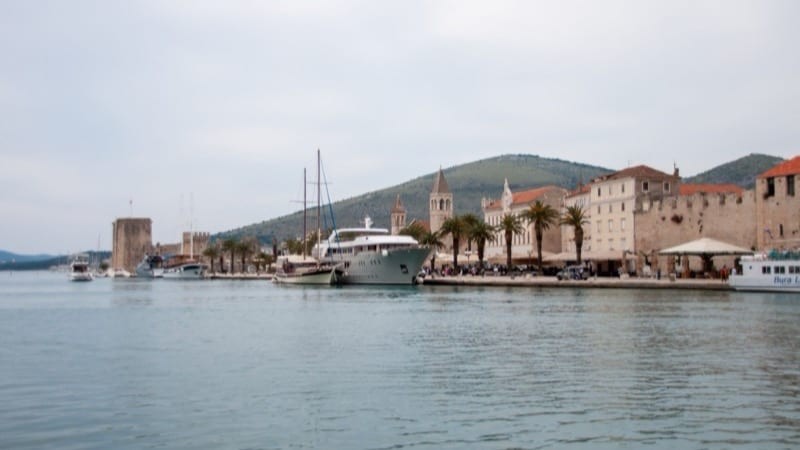
Trogir is a UNESCO-listed Venetian-Gothic town on a tiny island linked by bridge to the mainland and to Čiovo, just 27 km west of Split and minutes from Split Airport. Its compact walled core, marina culture and Trogir Riviera setting make it one of Central Dalmatia's most photogenic and accessible coastal markets. In December 2025 asking prices in the Trogir municipality averaged about €3,600/m², a slight 4% softening from the 2024-2025 peak of roughly €3,860/m², leaving it more affordable than nearby Split. Čiovo island remains the most active new-build zone, with the Ciovo/Trogir area around €3,540/m² on heavy construction supply. Gross rental yields run a moderate 3.5-4.5% in line with the Croatian Q4 2025 average of 4.42%, but summer short-let occupancy on the riviera is strong, lifting effective returns for sea-view apartments and villas. Nationally, prices are forecast to rise 4-7% in 2026, with coastal towns at the higher end. EU, EEA and Swiss buyers purchase on equal terms with Croatians; non-EU buyers (US, UK, Australia, Argentina and others) buy via reciprocity with Ministry of Justice consent, typically 1-6 months, with OECD-parity reforms pending. Trogir suits buyers wanting heritage charm, airport proximity and tourism-driven rental demand.
Zadar
Croatia
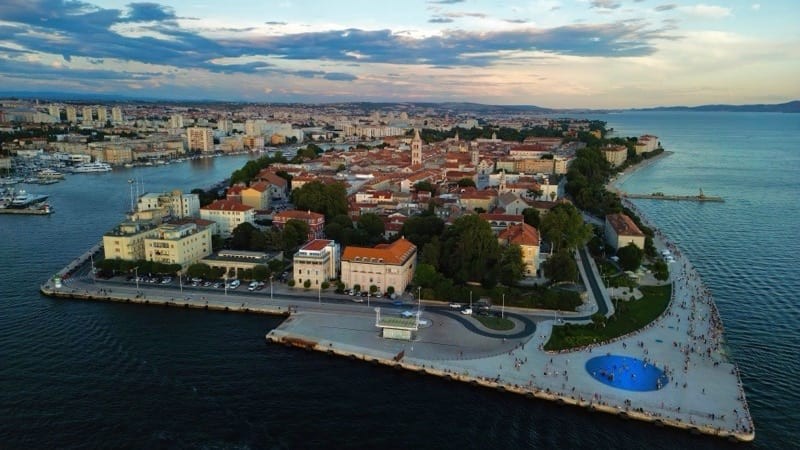
Zadar has emerged as one of Croatia's strongest value-for-money coastal markets, blending a 3,000-year-old peninsula old town with a modern marina economy and a fast-growing airport. In 2026, asking prices in Zadar County average roughly 3,390 EUR per m2, while city-centre and tourist-zone apartments trade at about 2,700-3,400 EUR per m2, with a premium of around 350 EUR per m2 for direct sea views. That pricing sits well below Split, Dubrovnik or Rovinj, which is precisely the draw: buyers get Dalmatian waterfront at a 30-40% discount to the marquee cities. Gross rental yields run about 3.38% in the centre and up to 3.93% in outer districts, supported by a long summer charter and tourism season. Headline national price growth of 10-13% in 2025 is cooling toward 4-7% for 2026, and Zadar is tipped to outperform as A1 highway and airport upgrades pull spillover demand from Split. EU, EEA and Swiss nationals buy on the same footing as Croatians; non-EU buyers (US, UK, Australia, Argentina, Brazil) acquire via the reciprocity regime with ministry approval, typically 1-6 months. A new 2025 annual property tax of 0.60-8 EUR per m2 replaced the old holiday-home levy.
Zagreb City Guide
Croatia
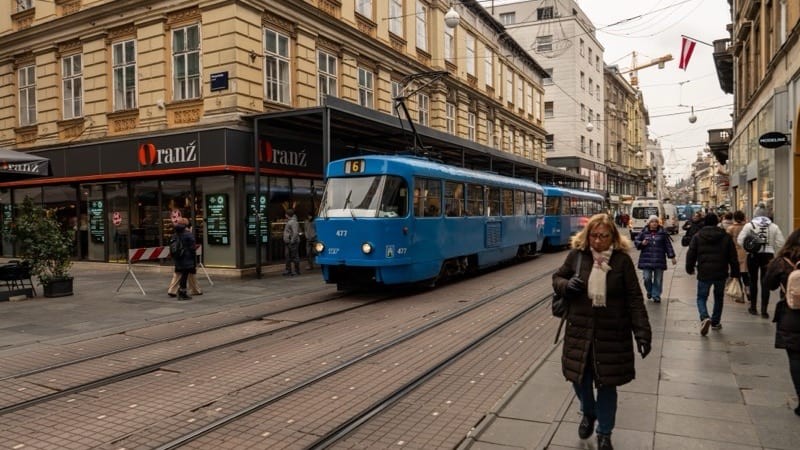
Zagreb is Croatia's capital and largest city, an EU member and eurozone country (euro since 1 Jan 2023) that serves as the stable, year-round inland counterpart to the country's seasonal Adriatic coast. As the administrative, financial and university hub, it offers steadier long-term rental demand and lower price volatility than coastal holiday-let markets, pairing a historic Upper Town with green, family-friendly residential districts in a compact, walkable city. Average asking prices sit around €3,800/m² (€4,400+/m² in the centre) and have risen at single-to-low-double digits annually. For investors it is a buy-and-hold, year-round-demand market rather than a seasonal coastal play, with gross yields around 4–5.5%.
Šibenik
Croatia
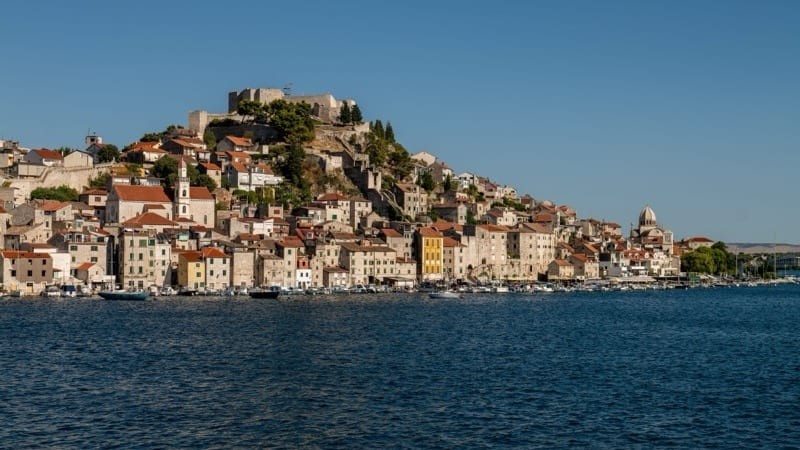
Šibenik is one of the Adriatic's most underrated value markets, a thousand-year-old Dalmatian city built entirely by Croatians, where the UNESCO-listed Cathedral of St James anchors a maze of stone lanes and four Venetian fortresses guard a dramatic channel to the sea. It sits between Zadar and Split with strong highway and rail links and a fast-rising tourism profile, yet prices remain well below the marquee coast. In 2025-2026, Šibenik apartments trade around 2,800-3,400 EUR per m2, below the Split-Dalmatia county average of roughly 4,209 EUR per m2, with sea-view and old-town stock at a premium. Gross rental yields run about 3.69% in the centre and 3.23% outside, with the broader national average near 4.42%. The marquee D-Marin Mandalina and the Amadria Park resort cluster have lifted the city's investment appeal. National prices rose 10-13% in 2025, cooling to 4-7% for 2026, and Šibenik is positioned to keep narrowing the gap with Split. EU, EEA and Swiss buyers purchase freely; non-EU nationals buy via reciprocity with ministry approval. A 2025 annual property tax of 0.60-8 EUR per m2 applies.
Ayia Napa / Famagusta District City Guide
Cyprus
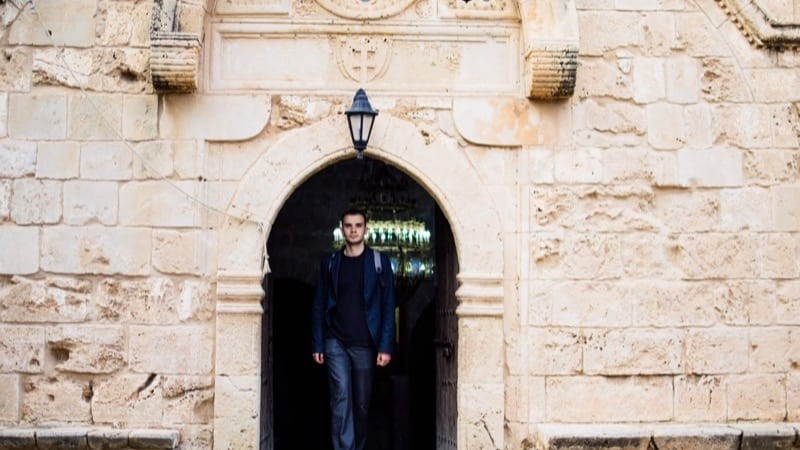
Ayia Napa + Protaras anchor the Republic of Cyprus' southeastern coast — Famagusta District's resort capital and one of the Eastern Mediterranean's most-popular beach destinations. The area combines Ayia Napa's marina + nightlife reputation with Protaras' family-resort character, alongside Cape Greco National Park (sea caves, hiking) and a 50 km stretch of some of the EU's clearest waters. Population modest (Ayia Napa ~4,000 permanent; Famagusta District 46,000) but tourism-driven seasonal swing is dramatic. Property prices €1,800-€3,200/m² average; villas €275K-€500K typical, seafront from €300K. Rental yields healthy at 4.5-6.5% net short-term; 3.5-4.5% long-term. STR oversaturation noted — Ayia Napa has 1,290+ active listings, Protaras 1,580+. Note: 'Famagusta' in this guide refers to the Republic of Cyprus-controlled southern portion of the district (which includes Ayia Napa, Protaras, Paralimni); the city of Famagusta itself + Varosha are in the TRNC and not covered.