City guides
City guides (402)
Larnaca City Guide
Cyprus
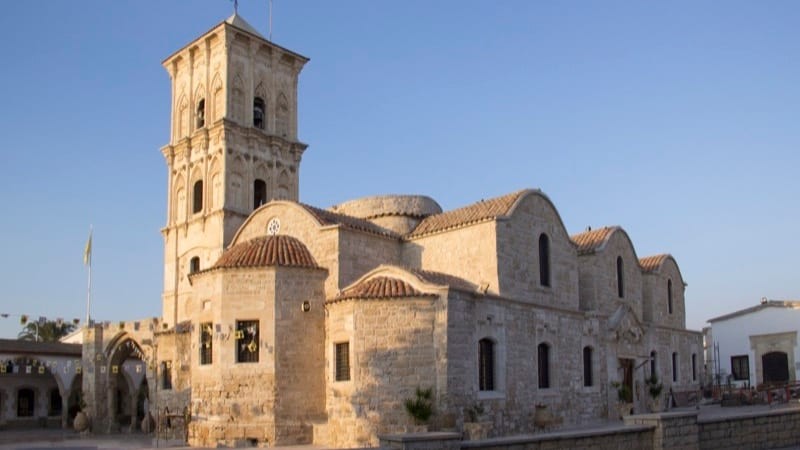
Larnaca is Cyprus' third-largest city and the primary international gateway — home to Larnaca International Airport (Cyprus' busiest airport), the deep-water Port of Larnaca, the historic Finikoudes seafront promenade, the iconic Church of Saint Lazarus (9th century), and the surrounding Larnaca Salt Lake (a major flamingo migration site). Population approximately 51,000 (city) / 154,000 (district). Property prices average €2,100-€2,400/m² — significantly more affordable than Limassol (€3,200/m²) and Paphos. Larnaca is showing strong growth of 9-10% in 2025 driven by airport proximity, the €180M+ infrastructure investment programme, and the major Larnaca Marina + Port mega-development. Gross rental yields run 5.4-7.4% with short-term holiday rentals near beaches commanding premiums during peak season.
Limassol City Guide
Cyprus
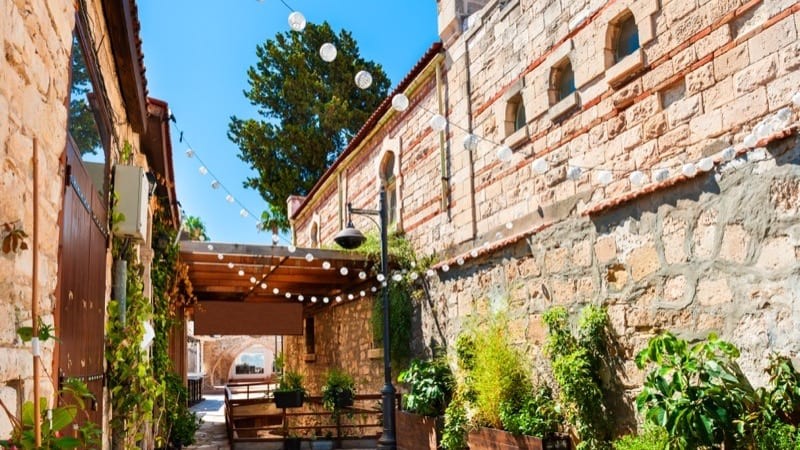
Limassol is Cyprus' second-largest city, business and shipping capital, and the country's premier international property market. The city stretches roughly 15 km along the Akrotiri Bay coastline on the southern coast of Cyprus, with the Limassol Marina (Cyprus' first super-yacht marina) and Limassol Tourist Area anchoring the seafront prime corridor. Average property prices reached €3,200/m² in 2025 (+7.4% YoY), with coastline and Limassol Marina commanding €6,000-€10,000/m² for luxury new builds. The city is dominated by international buyers — 56% of transactions involve foreign clients, the highest international share in Cyprus. Russian, British, Israeli, Lebanese, and increasingly Indian, Chinese, and Gulf-state buyers all anchor a deep market. Limassol benefits from Cyprus' €300K Permanent Residency Programme (Regulation 6.2), 12.5% corporate tax (lowest in EU), and 17-year Non-Dom regime — making it one of Europe's most-used HNW relocation destinations.
Nicosia City Guide
Cyprus
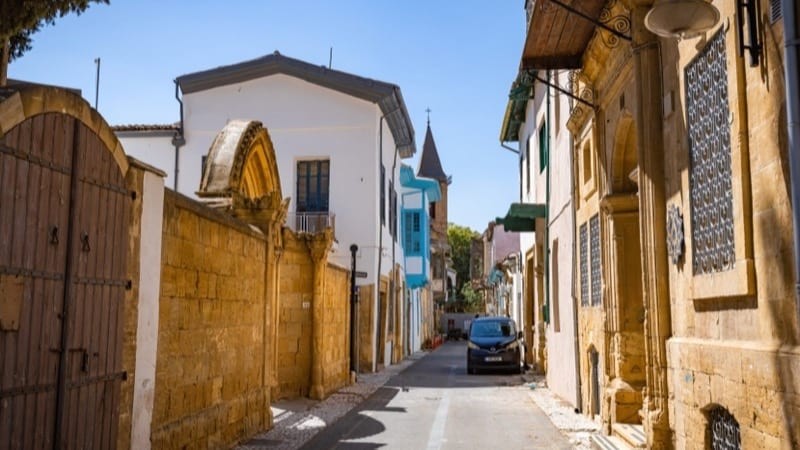
Nicosia (Lefkosia) is the capital of the Republic of Cyprus and the only divided capital in the world — split by the UN-monitored Green Line between the Greek-Cypriot south (in this guide) and the Turkish-controlled north (TRNC, not covered). The city has been continuously inhabited for 5,000+ years and hosts the Cypriot Government, central bank, university cluster (University of Cyprus, European University Cyprus), and the country's professional-services + banking employment core. Nicosia is materially less foreign-buyer-driven than Limassol or Paphos (foreign-buyer share much lower) but offers Cyprus' most-affordable major-city entry pricing: €1,600-€3,500/m² range with central districts at €2,100-€2,600/m². Gross rental yields run 5% city average with central business district + university zones reaching 6-8% on 1-2 bedroom apartments. The 2026 Cyprus reforms apply universally; Nicosia is increasingly attractive to tech-cluster professionals and Cypriot middle-class family buyers.
Paphos City Guide
Cyprus
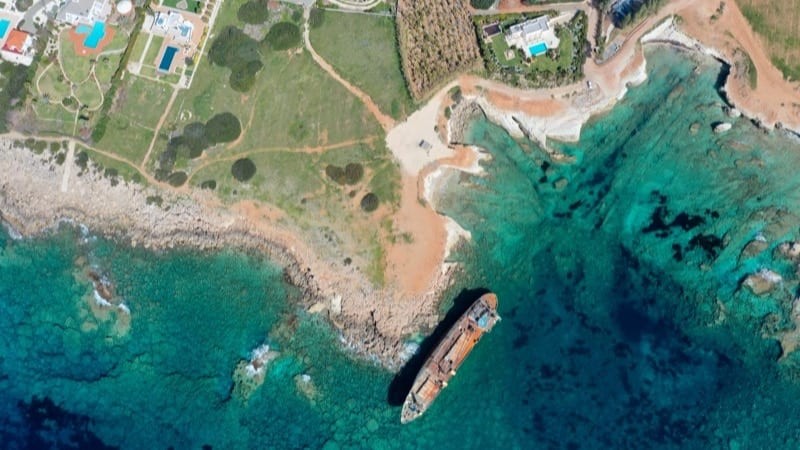
Paphos is Cyprus' western coastal city — a UNESCO-listed archaeological centre (Paphos Archaeological Park, Tombs of the Kings) combined with the country's most foreign-buyer-dominated property market. The city stretches roughly 5 km along the Mediterranean coast on the southwestern tip of Cyprus, anchored by Kato Paphos (the harbour-and-archaeology coastal strip), Paphos Old Town (the historic upper city), and Coral Bay (the prime resort-villa zone 8 km north). Foreign buyers — particularly British retirees and second-home owners — represent **68% of property transactions** (the highest foreign-buyer share of any major Cyprus city). Paphos District also captures **32% of all international property transactions** in Cyprus (vs Limassol's 28%). Average property prices run €2,500-€3,500/m², with Coral Bay villas reaching €500K-€1.2M and Kato Paphos modern apartments €220K-€350K. Rental yields range 5.5-8.5% — among the strongest in Cyprus, particularly in Kato Paphos and Coral Bay short-let.

Nadi City Guide
Fiji
Nadi is Fiji's tourism gateway, home to Nadi International Airport and the launch point for the Mamanuca and Yasawa island resorts, which makes it the country's most internationally exposed property market. The headline addresses are the man-made resort island of Denarau, a gated enclave of branded hotels, golf and marina villas where upmarket homes routinely list above FJ$1 million, and the newer Naisoso Island, while central streets such as Kennedy Avenue hold the city's larger family homes and outlying areas like Yako offer far more affordable land-and-house packages. The overwhelming majority of Nadi investment stock is run as short-stay accommodation, with Airbnb-style holiday letting the dominant strategy on the back of resilient tourist arrivals. Fiji's residential market is forecast to grow a healthy 2-4% in 2025, with Nadi among the regions seeing above-average gains thanks to tourism-led infrastructure upgrades. Google's FJ$200 million data-centre commitment adds a structural demand layer. Foreign buyers face restrictions outside designated zones, so most international purchasers concentrate on freehold and strata titles within Denarau and Naisoso.
Bordeaux City Guide
France
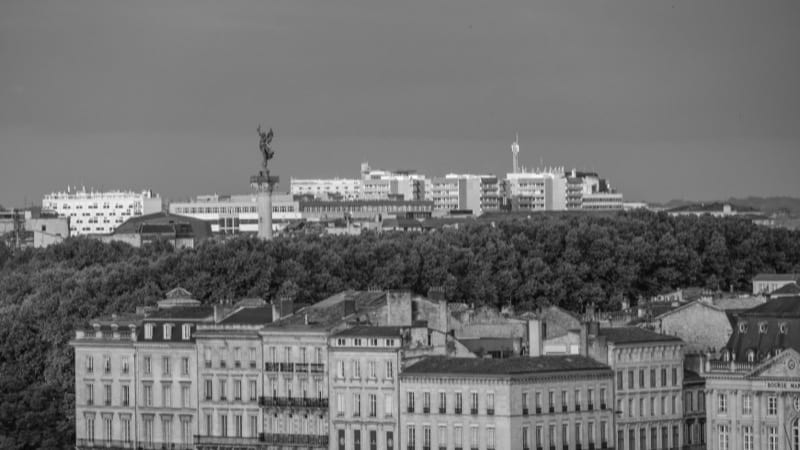
Bordeaux is France's wine capital and the largest UNESCO-listed urban ensemble in Europe (since 2007). The city anchors the Bordeaux wine region — over 60 appellations producing approximately €1 billion of economic value annually for the metropolitan area. The 18th-century neoclassical city centre is anchored by the Place de la Bourse and its iconic Miroir d'Eau, the Grand Théâtre, and the Esplanade des Quinconces. Bordeaux's TGV connection brings it within 2 hours of Paris, fuelling the lifestyle-buyer migration of the past 15 years. The city has stabilised at €4,400-€4,500/m² in 2025 after a 1-3% correction; metro population approximately 862,000. Bordeaux trades approximately 27% above the French national average and attracts deep international buyer demand from UK, Northern European, US, and Asian wine + lifestyle buyers.
Lyon City Guide
France
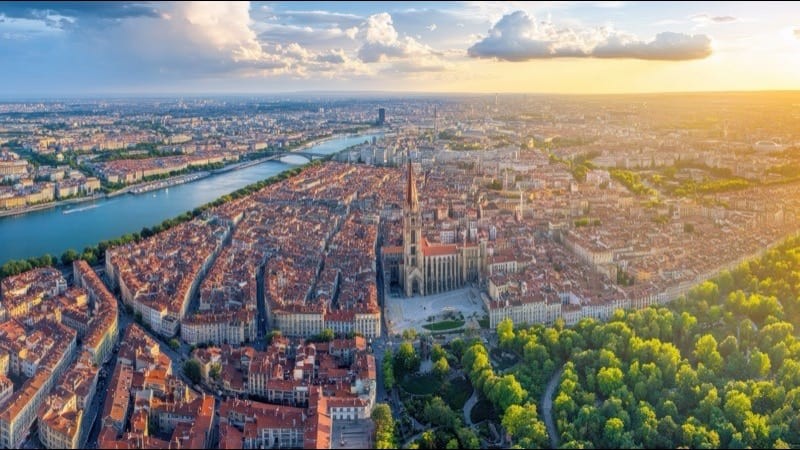
Lyon is France's third-largest city and a major secondary capital — the historic capital of the Gauls, France's gastronomy capital, and Europe's rising life sciences and innovation hub. The city sits at the confluence of the Rhône and Saône rivers, anchored by the UNESCO-listed Vieux Lyon Renaissance quarter, the Croix-Rousse silk-weaving district, the modern Confluence regeneration zone, and the elegant Presqu'île. Lyon's metro population reached 1.79M in 2025 (+0.7% YoY), with the city proper at 520,774 (3rd-largest French city after Paris and Marseille). Average residential property prices reached €4,576/m² in June 2025, with the prestigious 6th arrondissement approaching €6,000/m² and the 9th arrondissement around €3,720/m². Yields are modest (4.41% city average) but supported by deep student-and-professional rental demand from Lyon's growing biotech, AI, and consulting clusters.
Marseille City Guide
France
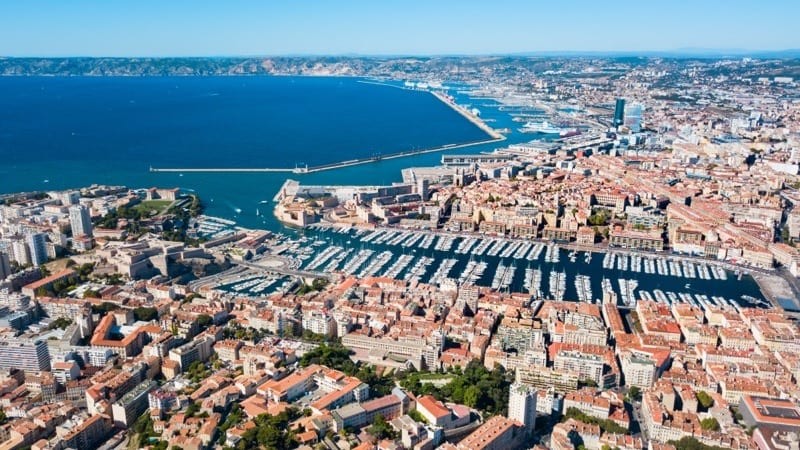
Marseille is France's second-largest city and the country's largest Mediterranean port — a 2,600-year-old Greek-founded settlement (Massalia, 600 BC, France's oldest city) that today combines deep multicultural character with the country's strongest urban yield + capital growth combination. Population approximately 870,000 (city) / 1.6M (metro). Marseille's average apartment prices €3,388-€3,750/m² in 2025 — materially below Paris (€9,924+/m²) and Nice (€5,771/m²) — but with the highest gross rental yields of any major French city at 5.45% average (Studios 6.47%, select districts up to 7%). Buyer demand exceeds available properties by 18%, supporting continued appreciation. The city's Mediterranean climate, port economy, MUCEM cultural complex, and the 2023 Calanques National Park UNESCO inscription continue to drive long-term lifestyle migration from northern French cities.
Nice City Guide
France
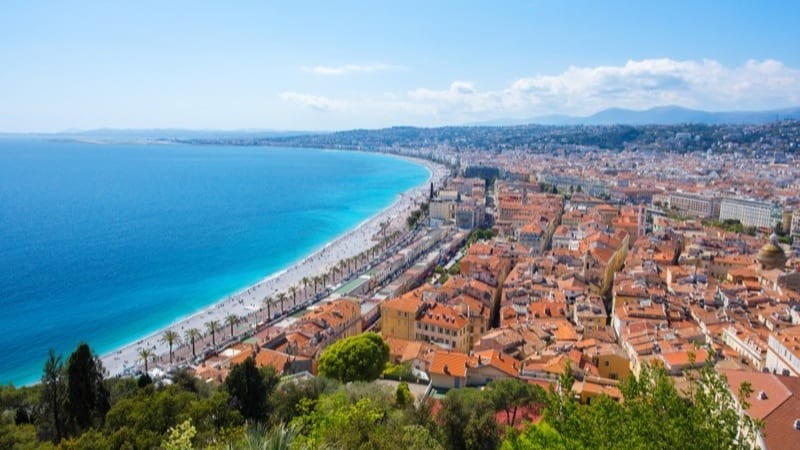
Nice is France's premier Côte d'Azur (French Riviera) city and the country's fifth-largest urban centre — population 340K (city) / 1M (metro). Nice combines the iconic Promenade des Anglais seafront (UNESCO 2021 inscription as the 'winter resort town of the Riviera'), the Vieux Nice old town, and the residential prestige zones of Mont Boron, Cap de Nice, and the Carré d'Or. Median property prices reached €5,771/m² in January 2025 (+3% YoY). Luxury sub-zones: Carré d'Or €10,000-€15,000/m², Mont Boron + Cap de Nice €10,000-€12,000/m², Gairaut €5,000-€8,000/m². Apartment yields are France's lowest at 3.11% — Nice is a structural capital-preservation market, not a yield play. The 5-year forecast ranges +12-22% growth in base scenario (up to +35% with favourable rates).
Paris City Guide
France
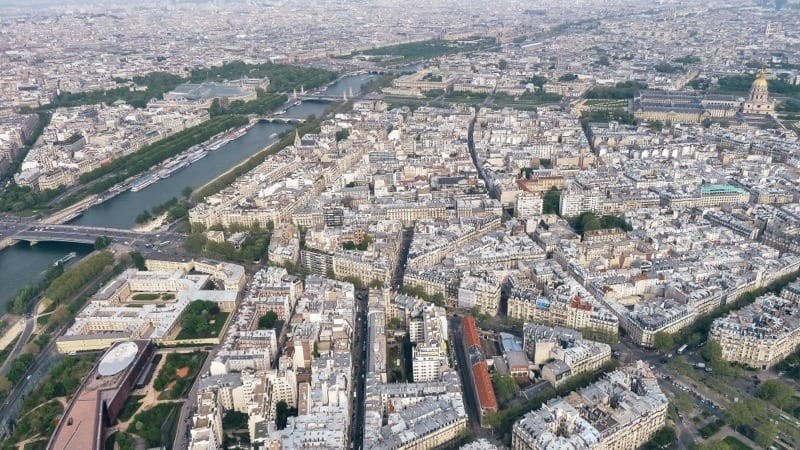
Paris is the world's most-visited capital and Europe's most established blue-chip property market — a city of twenty arrondissements arranged in a spiral around the Seine, each with its own character, price tier, and lifestyle profile. From the haussmannian boulevards of the 8th and 16th to the medieval lanes of the 4th's Marais, the bohemian streets of the 11th, and the modernised neighbourhoods of the 20th, Paris offers investors and residents an extraordinary range of submarkets. The city's combination of cultural prestige, restricted heritage building stock, deep international demand, and structural EU-capital status creates a uniquely resilient real estate market. Average apartment prices range from €9,200 to €15,300 per square meter, with rental yields modest (2.8-3.0% gross) but capital preservation among the strongest in Europe. France's 2026 Finance Act DMTO 50% first-time-buyer relief and the absence of Golden Visa make Paris a fundamentally lifestyle-and-capital-preservation market rather than a yield play.
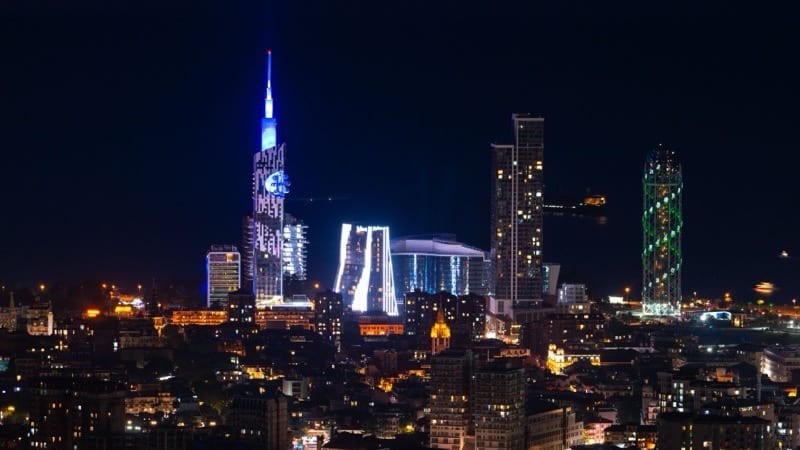
Batumi City Guide
Georgia
Georgia's Black Sea jewel blends a charming Ottoman-era Old Town with a rapidly rising modern skyline of glass towers and branded residences. From the iconic 7-kilometer seaside boulevard to the quiet beaches of Gonio, Batumi offers one of the most affordable coastal investment markets in the world — backed by Georgia's zero foreign ownership restrictions and favorable tax regime. Batumi has transformed from a sleepy Soviet-era resort into a glittering coastal city that attracts tourists from Turkey, the Middle East, Central Asia, and increasingly Western Europe. The Batumi Free Tourism Zone and casino industry draw high-spending visitors, while the city's growing reputation as an affordable alternative to Mediterranean coastal cities appeals to lifestyle buyers and long-term investors. New developments along the New Boulevard extension are reshaping the city's waterfront and creating opportunities for early-stage investors.
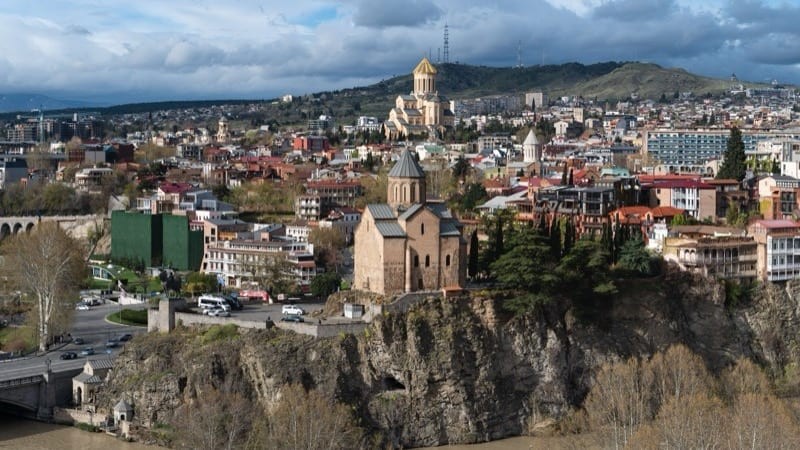
Tbilisi City Guide
Georgia
Georgia's ancient capital blends a colorful Old Town steeped in Persian, Ottoman, and Soviet layers with a rapidly modernizing skyline. From the sulfur baths of Abanotubani to the leafy embassy district of Vake, Tbilisi offers one of Europe's most undervalued property markets with investor-friendly regulations and explosive tourism growth. Tbilisi has emerged as a top destination for digital nomads, cryptocurrency entrepreneurs, and lifestyle buyers attracted by Georgia's remarkably liberal business environment — no visa requirements for 95+ nationalities, zero tax on foreign-source income, and property purchase processes that can be completed in a single day. The city's burgeoning wine bar and restaurant scene, combined with its ancient winemaking heritage (the birthplace of wine, with 8,000 years of viticulture), has created a cultural renaissance that drives both tourism and expatriate relocation.
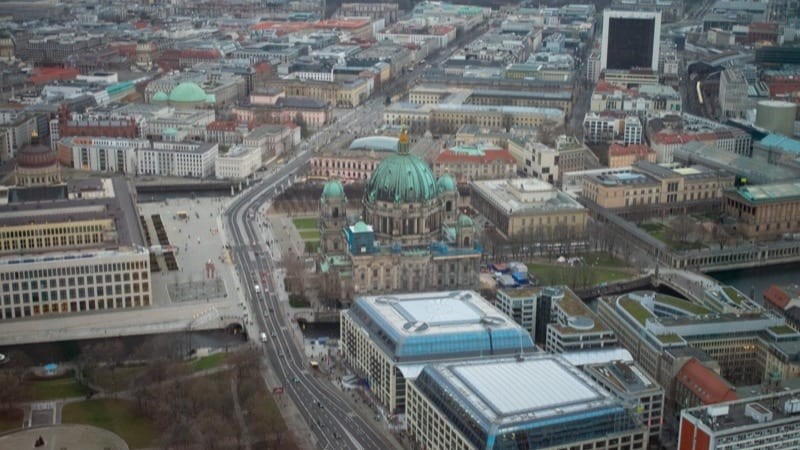

Berlin
Germany
Berlin is Europe's capital of creativity and one of its most resilient property markets. Germany's largest city by population (~3.8 million) and the political heart of the EU's largest economy, Berlin has transformed over three decades from a divided post-Cold War curiosity into a global hub for startups, art, music and progressive urbanism. The property market is anchored by strong tenant protections, a chronic supply shortfall, and rising rents that consistently outpace national averages. Average prices in central districts run EUR 5,500-9,500 per square metre, with rental yields of 3.2-4.5% gross. The 2025 federal coalition's housing legislation extending Mietpreisbremse rent controls through 2029 keeps yield compression real -- but the structural undersupply (Berlin needs ~20,000 new units per year and consistently builds half that) keeps capital values trending up. For international investors, Berlin offers EU-grade legal certainty, deep liquidity, English-speaking professional services, and a market that proved its defensive credentials during the 2022-24 rate cycle. The catch: yields are thin and tenant law tilts heavily toward the tenant. Best suited to long-term capital preservation buyers rather than yield hunters.
Cologne City Guide
Germany
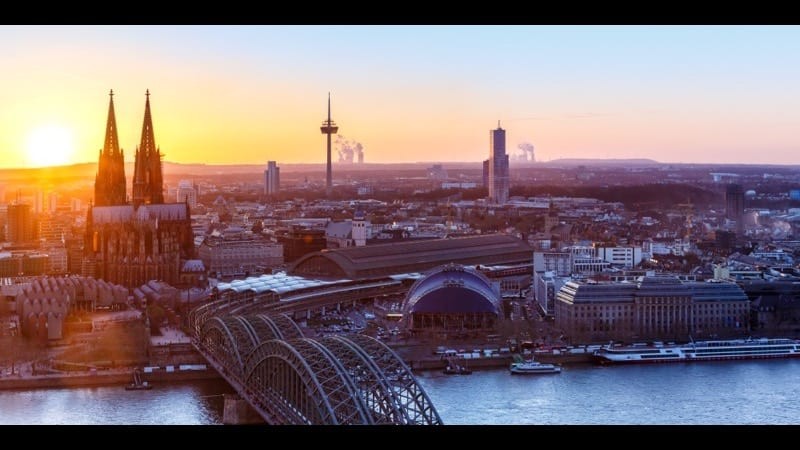
North Rhine-Westphalia's largest city and the cultural and media heart of the Rhineland, Cologne offers international investors a deep, liquid residential market within Germany's most populous metropolitan region, Rhine-Ruhr. The city's economy blends media and broadcasting, insurance, logistics and a major trade-fair complex, supporting steady, broad-based rental demand. Prime values concentrate in leafy Lindenthal and the central Innenstadt and Neustadt, where existing apartments trade around €4,200–€4,330 per square metre and new-build stock reaches roughly €7,310 per square metre; mid-market gentrifiers Ehrenfeld and Nippes, among the German neighbourhoods forecast to see the strongest 2026 price growth, combine accessibility with appreciation potential. Cologne's market-active vacancy rate sits between 0.5% and 1.2%, with near-zero effective vacancy in high-demand quarters such as Ehrenfeld and Neustadt. Rents remain anchored by the official Mietspiegel, keeping gross yields modest at roughly 3.0% citywide (a 2.3–4.2% spread driven primarily by location). With prices up about 5% year-on-year as the market recovers from the 2022–2023 correction, mortgage rates stabilising, and a base-case five-year cumulative growth estimate near 20%, Cologne enters 2026 as a steady, income-and-growth core market for buyers prioritising liquidity and tenant depth.
Düsseldorf City Guide
Germany
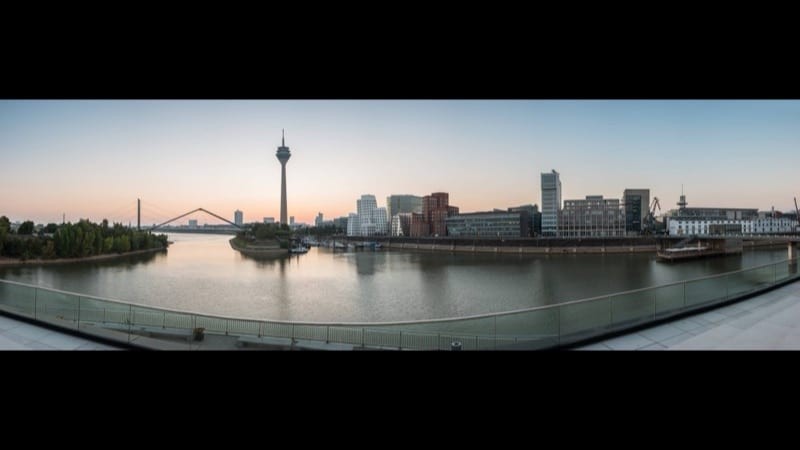
The capital of North Rhine-Westphalia and one of Germany's wealthiest cities, Düsseldorf is a finance, fashion, advertising and telecommunications centre with a notable Japanese business community and a prestige address book that rivals any in the country. The riverfront Oberkassel quarter on the Rhine's left bank commands the city's highest values, often above €6,600 per square metre, while prime central districts such as Carlstadt, Pempelfort, Derendorf, Golzheim and Unterbilk combine cosmopolitan lifestyle with persistently low vacancy. Citywide, the median price sits around €4,300 per square metre and the average near €4,470, with the market regaining momentum after the 2022–2023 correction. Rents are climbing a steady 3–4% per year against very low vacancy, producing gross yields of roughly 2.9–4% (a price-to-rent ratio of 25–35). Infrastructure-led demand is concentrating in the northern airport corridor near Freiligrathplatz and the left-bank neighbourhoods of Lörick and Heerdt. With well-located, energy-efficient apartments projected to deliver 35–50% five-year total returns and a deep base of corporate and international tenants, Düsseldorf enters 2026 as a prime, stable core market favouring capital preservation and reliable income over speculative growth.
Frankfurt
Germany
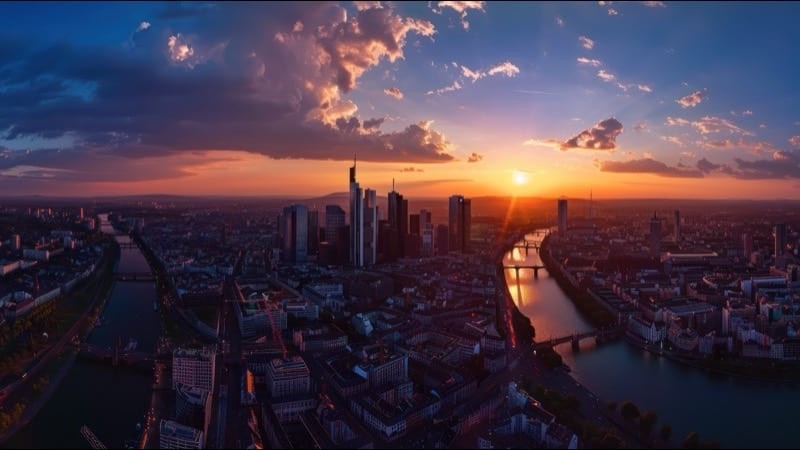
Frankfurt is continental Europe's financial capital and home to the European Central Bank, Deutsche Bank, Commerzbank, and the post-Brexit beneficiaries of London's banking exodus (JPMorgan, Goldman Sachs, Morgan Stanley have all expanded EU operations here). Property prices reflect this concentrated wealth: city-centre residential runs EUR 6,500-12,500 per square metre with rental yields of 3.0-3.8% gross. Frankfurt punches well above its 770,000-resident population thanks to a daily commuter influx of more than 350,000 financial professionals. This drives premium rental demand in city-centre apartments and prime suburban houses in Westend, Sachsenhausen, and Nordend. The city's skyline -- the only true skyscraper cluster in continental Europe -- gives it an Americanised feel that institutional capital finds reassuring. For international buyers, Frankfurt offers ECB-grade liquidity, an English-speaking professional environment, deep transport links via Frankfurt Hauptbahnhof and FRA airport (Europe's 3rd-busiest), and consistent demand from financial services tenants who pay above-market rents. Risk: high concentration in financial sector cycles.
Hamburg City Guide
Germany
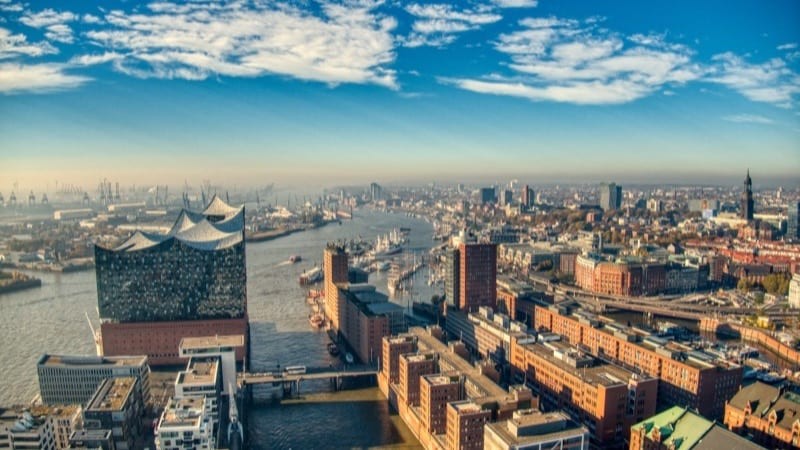
Germany's second-largest city and its richest by GDP per capita, Hamburg pairs the commercial heft of Europe's third-busiest container port with one of the country's most resilient residential markets. From the canal-laced affluence of Harvestehude and Rotherbaum, through the waterfront regeneration of HafenCity, the largest inner-city development project in Europe, to the gentrifying creative quarters of Eimsbüttel, Winterhude and Altona, the city offers international buyers a stable, transparent market underpinned by structural undersupply. Hamburg's vacancy rate sits at roughly 0.5%, among the lowest in Germany, while the metropolitan region is expected to surpass two million residents by 2030, sustaining a chronic gap between household formation and new-build completions. New-contract rents are rising an estimated 3–5% year-on-year, and major infrastructure, the U5 metro line and the Science City Bahrenfeld research cluster, is reshaping demand corridors in the city's west and north. With prices recovering modestly after the 2023 correction and a deep, diversified economy spanning media, logistics, aerospace (Airbus) and renewable energy, Hamburg enters 2026 as a core-stable hold for income-focused investors who prioritise capital preservation and near-zero void risk over speculative upside.
Munich
Germany
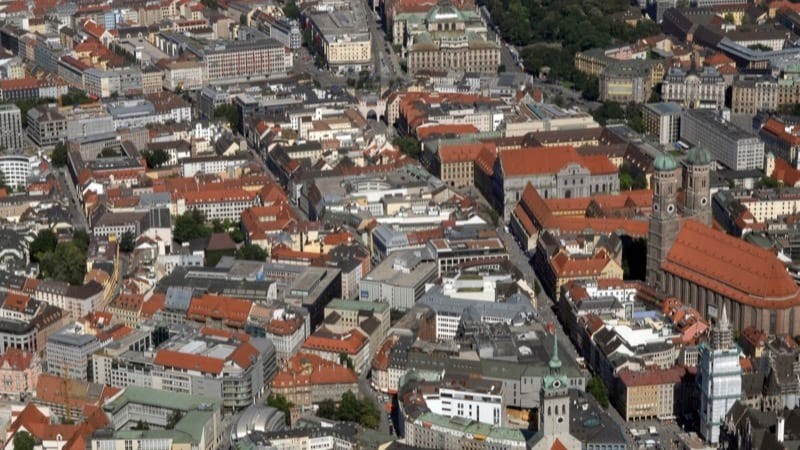
Munich is Germany's most expensive city and its strongest property market on a fundamentals basis. The Bavarian capital combines blue-chip corporate employers (BMW, Siemens, Allianz, MunichRe), Germany's lowest unemployment, and a constrained land supply hemmed in by Alpine geography. The result is a market where average residential prices have nearly tripled since 2010 and gross yields have compressed below 3% in central districts. Prices in core neighborhoods like Altstadt-Lehel, Maxvorstadt and Schwabing range from EUR 9,500 to EUR 18,000 per square metre. Outer ring districts offer EUR 6,500-9,000 per sqm. Rental yields run 2.8-3.5% gross -- the lowest in Germany -- but with the strongest rental demand and the most defensive tenant base (professionals on Bavarian salaries are roughly 20% above the German average). For international buyers, Munich is a pure capital-preservation play with currency-hedged Eurozone safety and an A+ tenant pool. Yield-focused investors should look elsewhere; long-term wealth-protection buyers consistently rank Munich as a top-3 European destination alongside Zurich and Geneva.
Stuttgart City Guide
Germany
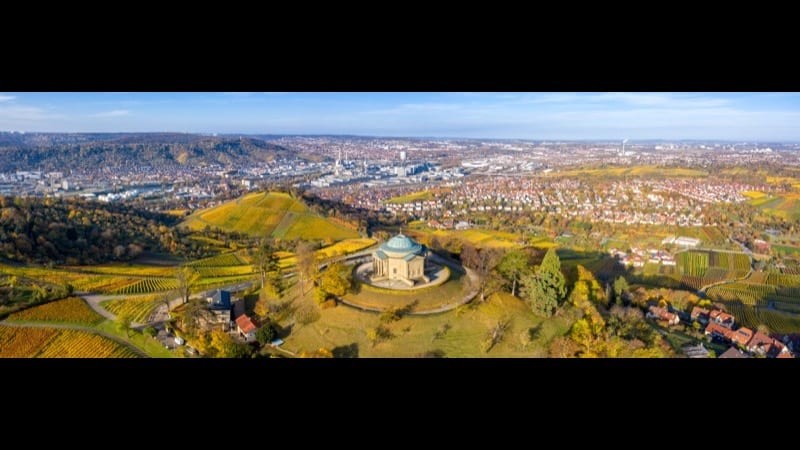
The capital of prosperous Baden-Württemberg and the engineering heart of Germany, Stuttgart is home to Mercedes-Benz, Porsche, Bosch and a dense Mittelstand of advanced-manufacturing and automotive-technology firms, an economic base that drives some of the highest household incomes and most resilient rental demand in the country. For yield-focused investors, Stuttgart is unusual among Germany's top cities: gross rental yields of roughly 4.5–5%, and a monitored submarket reading as high as 4.67%, sit well above the national average near 3.6%, reflecting compact, well-connected apartments in a topographically constrained city where the valley basin limits new supply. Demand concentrates in central districts and the affluent half-timbered hill quarters, while the transformational €11 billion Stuttgart 21 rail project, due to open in December 2026, is set to free up vast inner-city land and is among the top three German infrastructure projects expected to lift property values, with transit-proximate premiums historically running 5–15%. Within the broader German base case of 15–25% cumulative five-year growth, Stuttgart's combination of above-average yields, scarce land, a high-wage export economy and a generational infrastructure catalyst positions it as one of the country's most compelling income-and-catalyst markets for 2026.
Athens City Guide
Greece
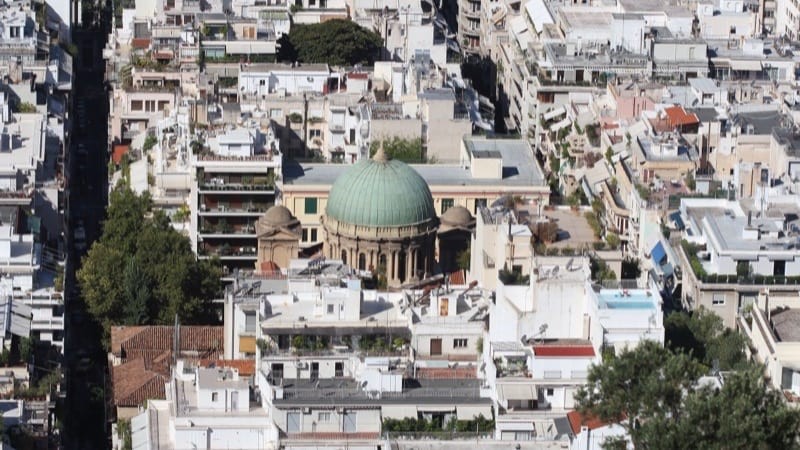
Greece's storied capital pairs three thousand years of cultural heritage with one of the European Union's most rapidly recovering property markets. From the marble of Kolonaki and the boutique-lined streets of Plaka, through the Acropolis-adjacent yields of Koukaki and Pangrati, to the seafront luxury of the Athens Riviera at Glyfada and Vouliagmeni, the city offers international buyers an uncommon mix of UNESCO-grade lifestyle, Eurozone-priced entry points, and yields that materially outpace Madrid, Lisbon, and Paris. Athens accounts for roughly half of Greece's GDP and hosts the country's financial, shipping, and tourism nerve centres, while a structural undersupply of new build relative to household formation continues to compress vacancies and lift rents. Foreign buyers represented close to 40% of residential transactions in mid-2025, and the Greek Golden Visa programme — recalibrated, not retired — funnelled 8,879 approvals in 2025 alone (+95% year-on-year). With Q1 2026 prices climbing 7.6% YoY and the €8 billion Hellinikon redevelopment reshaping the southern coast, Athens enters 2026 as the most strategically important investor city in southeastern Europe.