City guides
City guides (402)
Speightstown City Guide
Barbados
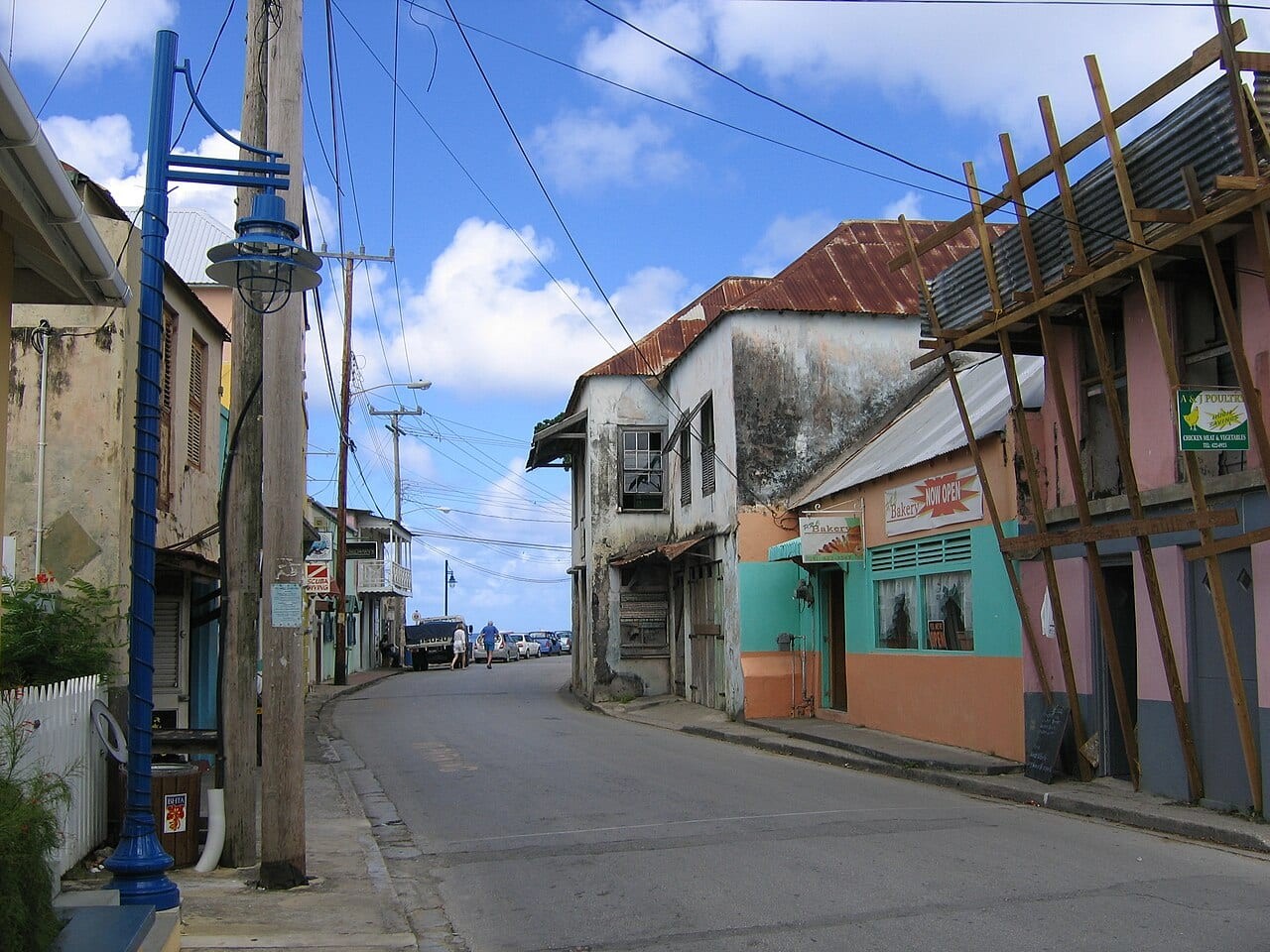
Speightstown, the historic second town of Barbados in the Parish of Saint Peter, anchors the quieter northern end of the West Coast. Once the island's busiest port, it retains a charming heritage waterfront and now sits at the centre of an upscale-yet-relaxed property market that includes the marquee Port St Charles marina and the beaches of Mullins Bay. It offers West Coast prestige with more breathing room and somewhat better value than Holetown. Pricing runs roughly US$500-1,000 per sq ft, with non-beachfront homes from around US$750,000 and prime marina or beachfront residences (Saint Peter's Bay from about US$1.6M, Port St Charles villas higher) commanding premiums. As part of the West Coast, Saint Peter is seeing around 10% annual growth, ahead of the national 6.8%, with high-end vacation rentals achieving 7-10% gross yields. Foreign buyers face no ownership restrictions but must register inbound funds with the Central Bank's Exchange Control Authority; sellers pay the 2.5% transfer tax and 1% stamp duty, non-residents owe no capital gains tax, and offshore-company ownership is standard to avoid those taxes on resale.

Antwerp City Guide
Belgium
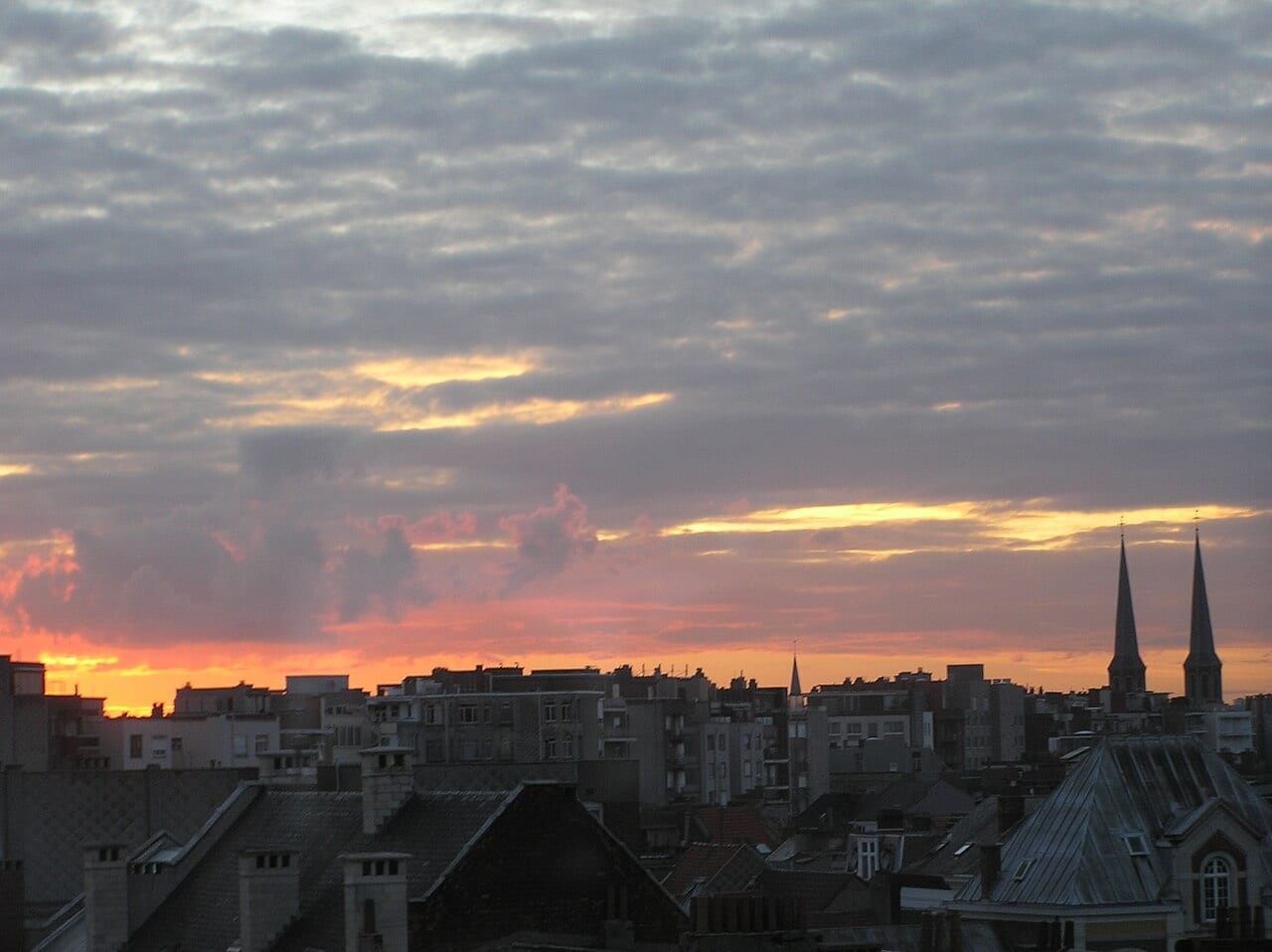
Belgium’s largest city by population and home to one of Europe’s biggest seaports, Antwerp blends a powerhouse logistics and petrochemical economy with a global reputation as a diamond-trading and fashion capital. For investors it is the most compelling of the Flemish cities: entry prices remain accessible, apartments average around €2,805 per square metre, with roughly €259,000 buying a 70–80m² two-bedroom in value pockets, yet rental demand is deep and yields are among the best of any major Belgian market. Studios can reach roughly 6% gross and family homes around 5%, against a Belgian national average near 4.3%. The strongest returns sit in working-class, gentrifying districts: Borgerhout, where young professionals priced out of the historic core cluster near Turnhoutsebaan, and Deurne, with its good transit links and stable family tenant base, both deliver gross yields in the 4.5–6% range. The historic core and the design-led 't Zuid quarter command premium prices and lead the short-let market, while the new Nieuw Zuid and Eilandje waterfront districts represent the city’s flagship regeneration. Flanders prices rose around 3.6–4.1% in 2025, and a 2025 cut in registration duty (from 3% to 2% on a primary home) has further supported activity. With a municipal population around 562,000, Antwerp offers a rare Belgian combination of yield, liquidity, and regeneration upside.
Brussels
Belgium
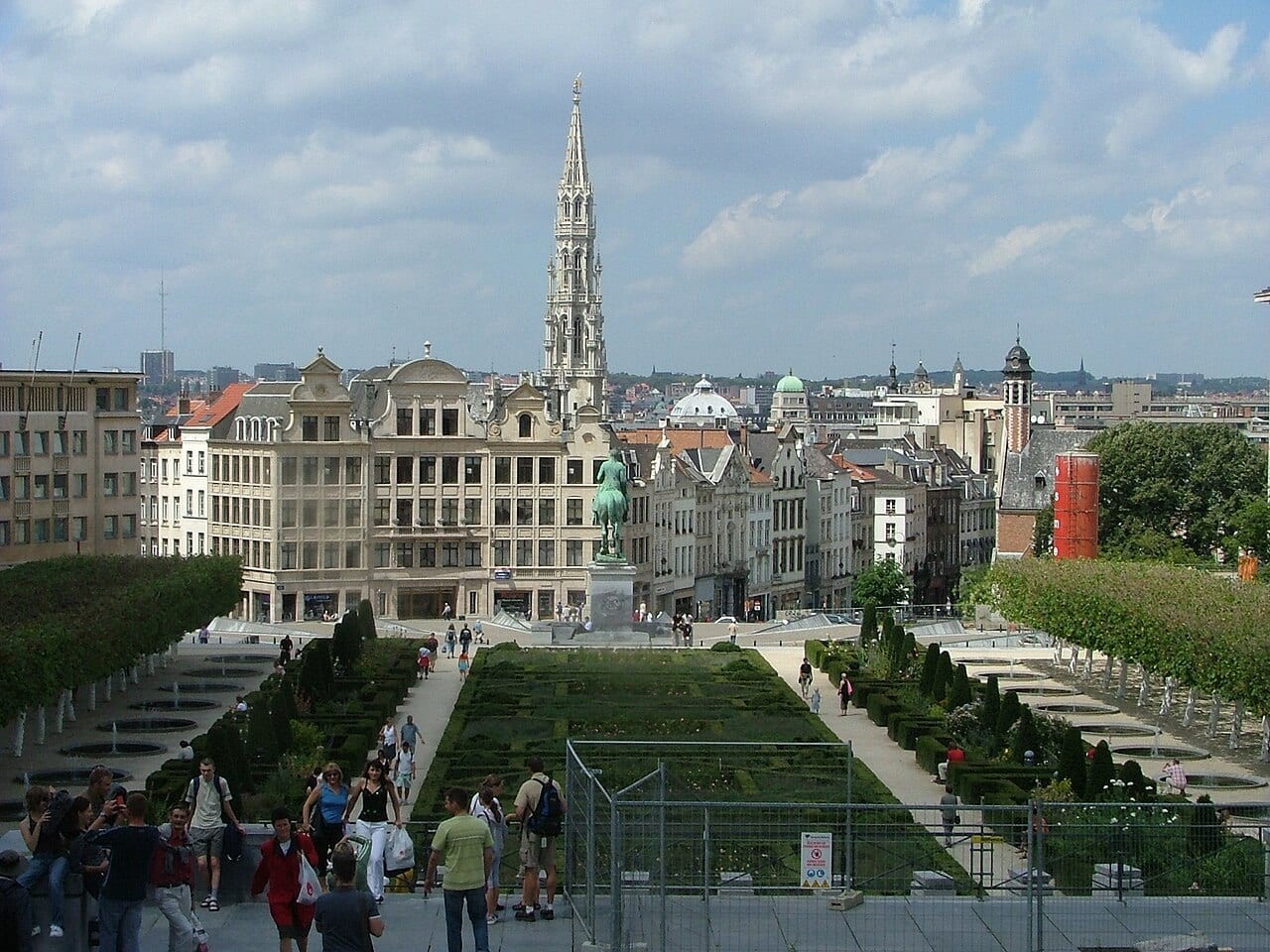
Brussels is Belgium's capital and the de facto capital of the European Union -- home to the European Commission, Council, Parliament, NATO HQ, and 200+ international institutions and lobbying offices. The city's distinctive bilingual French/Dutch identity, world-class architecture, and central position in EU politics make it one of Europe's most internationally diverse capital markets. Central residential (Pentagon, Ixelles, Saint-Gilles, Etterbeek, Schaerbeek) commands EUR 3,500-6,500 per square metre, with gross yields of 4.5-6.0% -- meaningfully better than other Western European capitals. Brussels has historically underperformed major European capitals on capital growth, leaving it as one of the best-value EU capital markets relative to its diplomatic, institutional, and economic significance. For international buyers, Brussels offers EU/Eurozone standing, English/French/Dutch trilingual business culture, an institutional tenant base from the EU and NATO, and yields well above Paris, Amsterdam, or Munich. The catch: registration duty is 12.5% on resales (one of Europe's highest), making transaction costs heavy -- but the new construction VAT regime offers offsets for off-plan buyers.
Ghent City Guide
Belgium
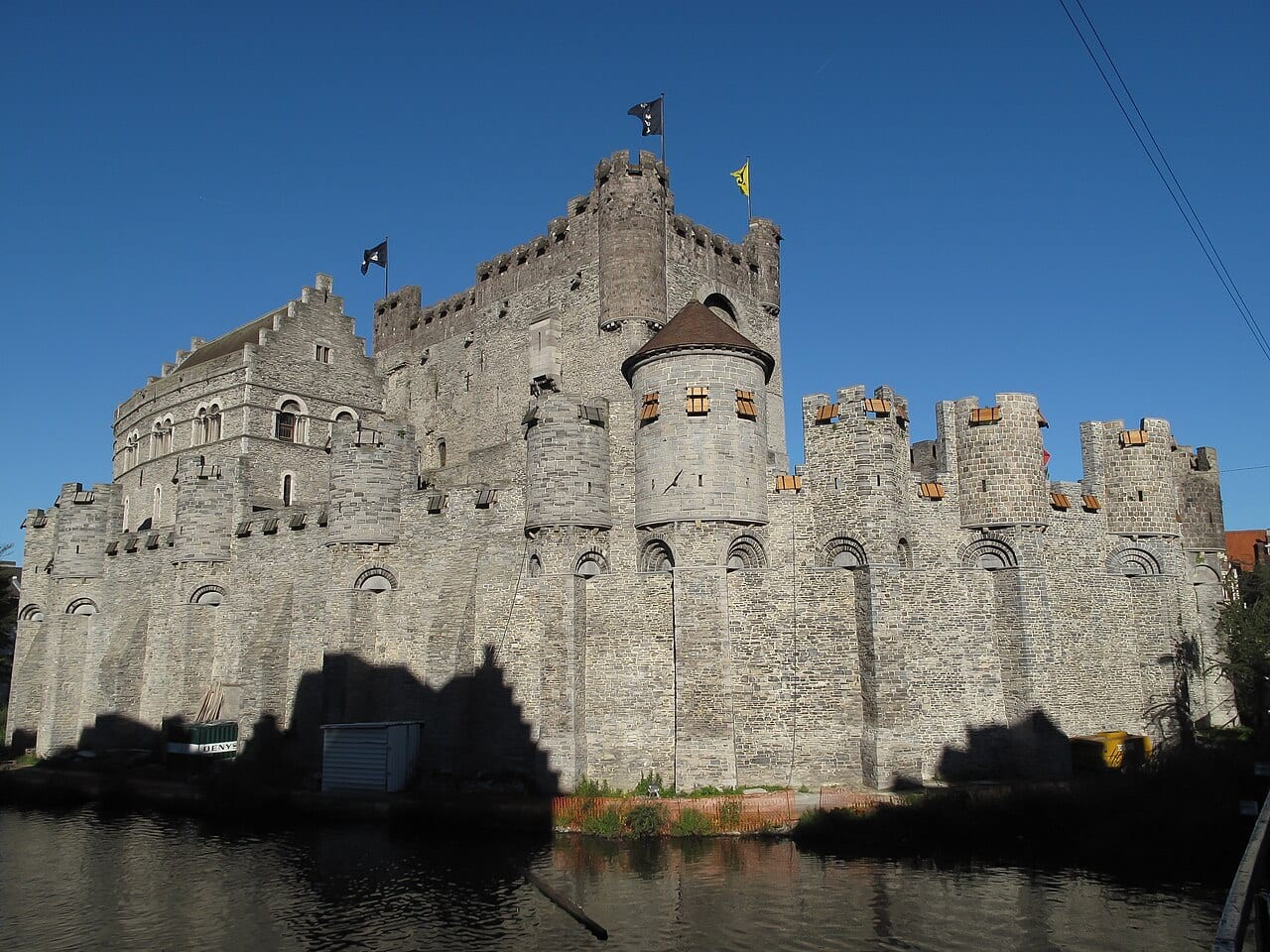
Capital of East Flanders and Belgium’s third city, Ghent pairs a beautifully preserved medieval core with one of Europe’s most dynamic university economies. With over 80,000 students fed by Ghent University and several colleges, the city is the student capital of Flanders, and student housing is among its most reliable investment niches, marked by minimal vacancy and steady rental yields. For investors, Ghent offers a balanced profile: gross yields range roughly 3.8–5.0% depending on area and property type (around the Belgian national average of 4.3%), with the strongest demand and tightest vacancy in prime central districts such as Sint-Pieters. Apartments average around €3,063 per square metre, and roughly €432,000 buys a substantial 130–160m² terraced house. Regeneration is a key theme: rapidly evolving districts like Dok-Noord, Muide, Gentbrugge, and Ledeberg are seeing new housing projects, lofts, and green architecture, while planned tram extensions are expected to lift values along their corridors. The city is also a magnet for foreign investment, 41 projects worth over half a billion euros were announced in 2025, set to create nearly 1,800 jobs and a third of all Flemish foreign-investment employment. With a metro population near 479,000 and Flanders prices up roughly 3.6–4.1% in 2025, Ghent combines defensive student-led income with clear regeneration and employment-growth upside.
Ambergris Caye City Guide
Belize
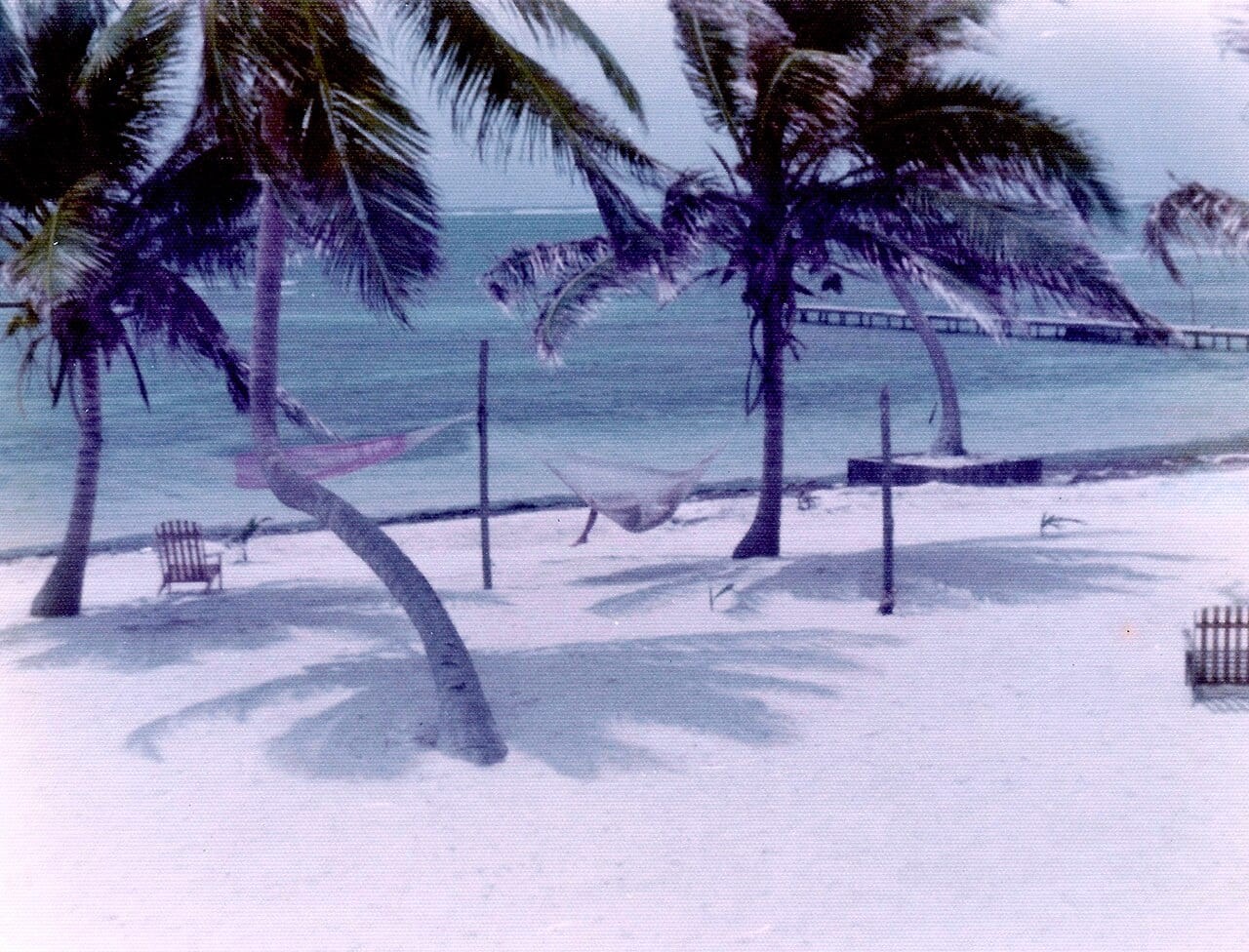
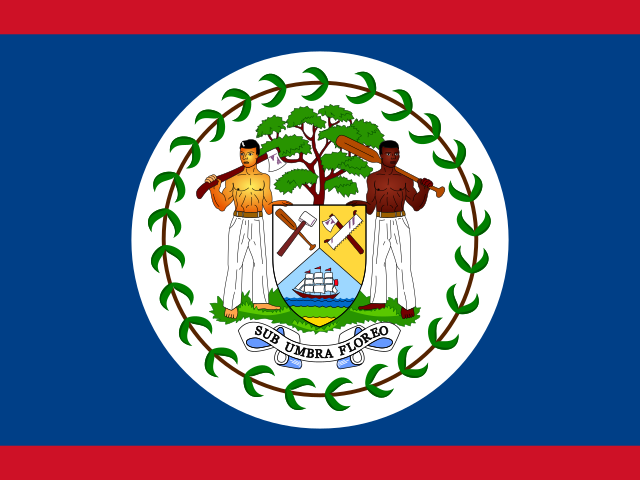
Ambergris Caye, anchored by San Pedro Town, is Belize's flagship investor market and the country's most liquid resale destination. By 2026 prime beachfront condos trade around USD 350,000-700,000, with luxury villas exceeding USD 1M; the national median sits near USD 255-268 per sqft (BZD 509-535), but oceanfront San Pedro stock commands USD 400-650+ per sqft. Prices have climbed 9-14% year-over-year, the strongest appreciation curve in Belize, fueled by overnight tourist arrivals exceeding pre-pandemic peaks by nearly 10%. Short-term rental economics are the draw: average nightly rates rose 15% to USD 284 in 2025 and dry-season occupancy runs 60-85%, producing advertised gross yields of 8-15% (realistic net 4-7% after management and vacancy). Foreigners buy full freehold in their own name with no restricted zones, trusts, or concession regimes; stamp transfer tax is 8% on value above USD 10,000 (7% via an IBC). There is no capital-gains tax. The 2025 Investment Residency Program lets buyers committing BZ$500,000 fast-track permanent residency, and the Qualified Retired Persons program suits over-45s with USD 2,000/month foreign income. Limited developable island land plus US dollar pegging (BZD 2:1) underpin the long appreciation thesis.
Belize City City Guide
Belize
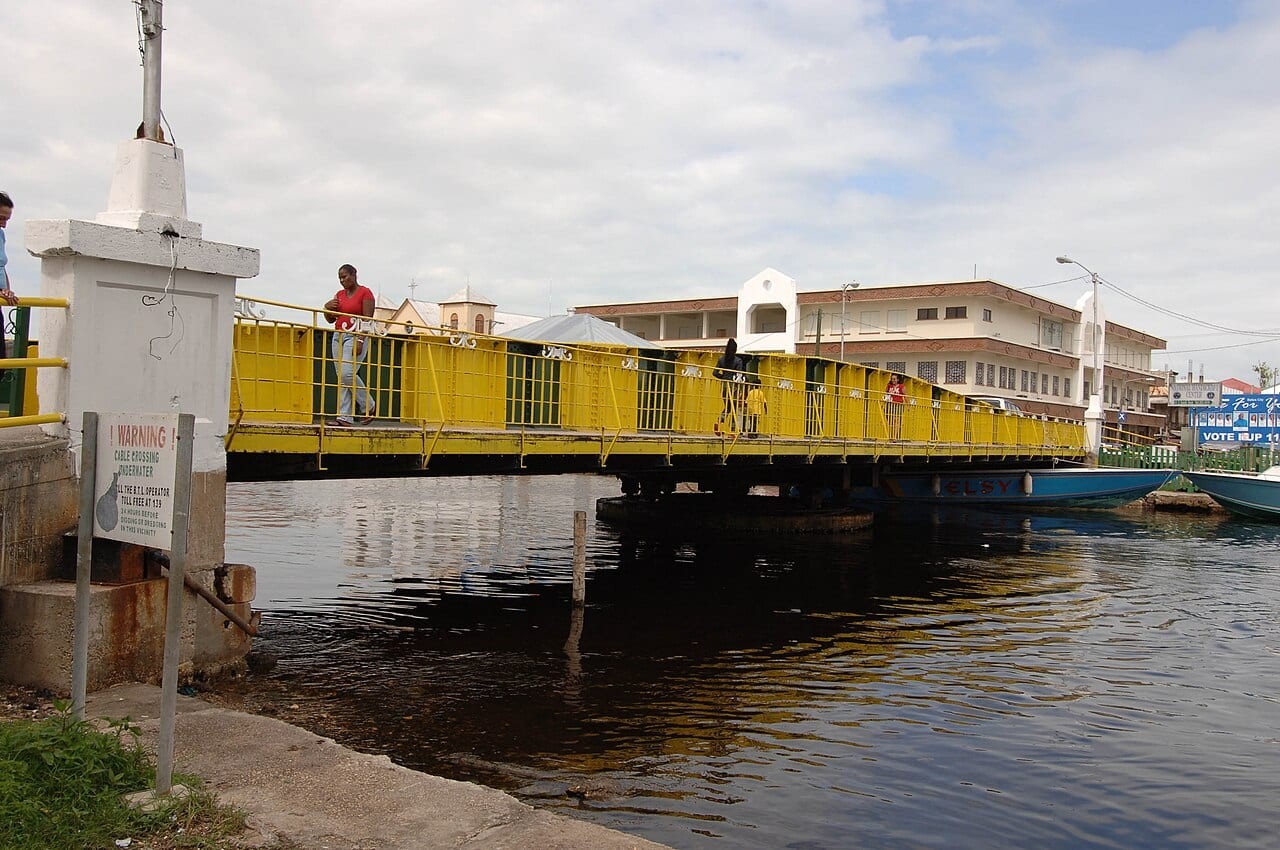
Belize City is the country's largest urban center, commercial capital and main gateway, home to the international airport and cruise terminal. It is the value-and-utility market rather than a beach-resort play: average homes span roughly USD 120,000-400,000, with the national median near USD 250-268 per sqft (BZD 509-535) and well-located urban product often below that. National prices rose modestly in 2024-2026 (the residential market is forecast to grow about 4-4.8% annually through 2029), with coastal hotspots far outpacing the city itself. The investment case is long-term rentals to a stable urban tenant base, commercial property, and exposure to record tourism flowing through the city (Belize logged 1.4M+ visitors in 2024 and GDP grew an estimated 3.5%). Long-term residential yields run a healthy 6-9% gross given lower acquisition costs. Foreigners buy full freehold in their own name with no restricted zones, pay an 8% stamp transfer tax above USD 10,000 (7% via IBC), and owe no capital-gains tax. The 2025 Investment Residency Program (BZ$500,000) and over-45 Qualified Retired Persons program apply. Buyers should weigh neighborhood-level safety carefully, favoring established areas like the Fort George district and suburban Buttonwood Bay/West Landivar.
Placencia City Guide
Belize
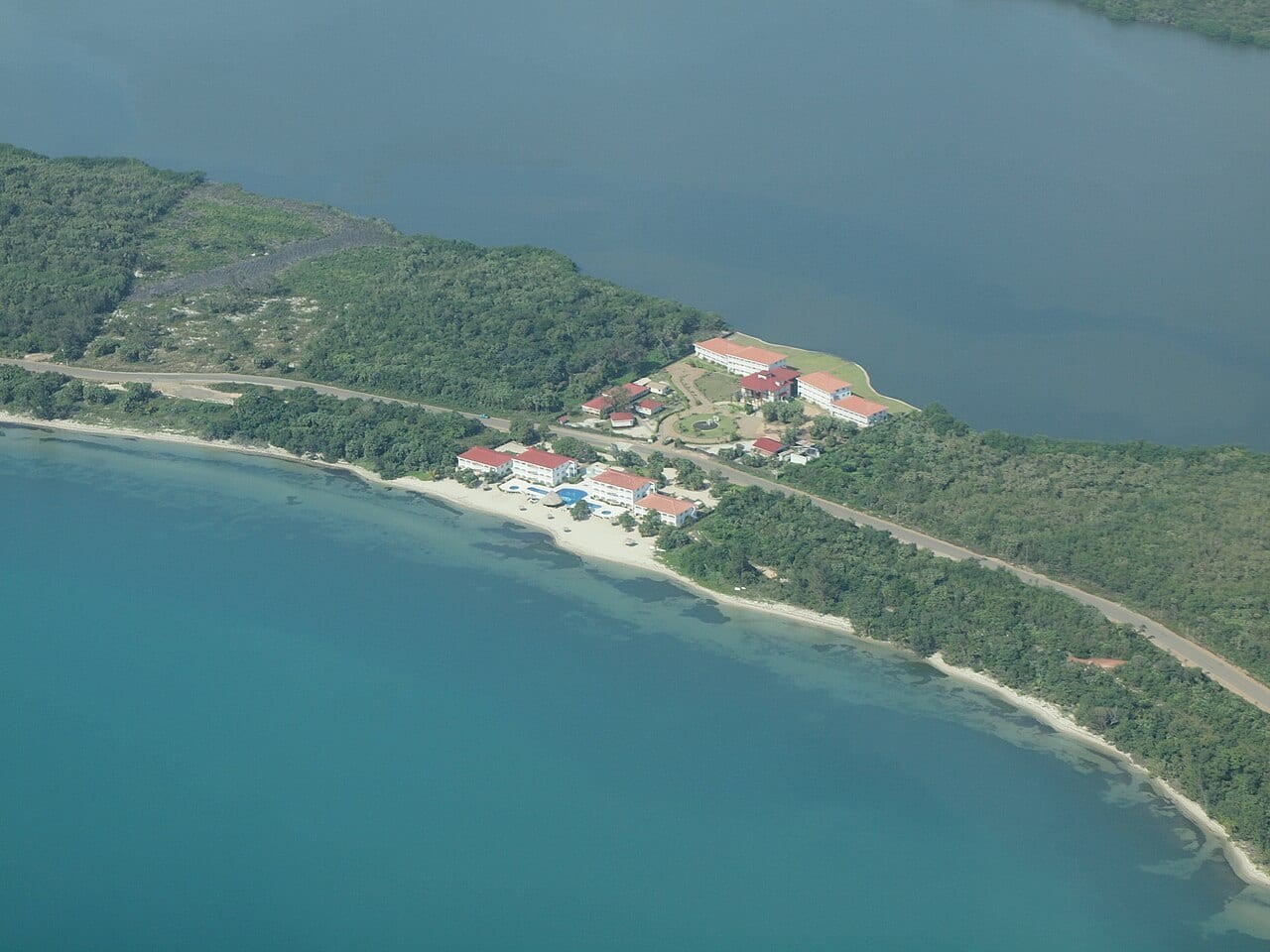
The Placencia Peninsula in southern Belize is the country's second flagship investor market and its mainland beach alternative to Ambergris Caye, a 16-mile sandspit between the Caribbean and a mangrove lagoon. By 2026 two-bedroom condos open around USD 250,000-450,000 while beachfront homes and villas range USD 450,000 to USD 1.2M+; the peninsula trades near USD 250-400 per sqft, below prime San Pedro. Prices have logged steady 7-9% annual growth, and the 2019-2025 cycle delivered roughly 30-50% appreciation in the USD 300K-700K tier. The opening of jet-capable upgrades around the regional airport and continued resort buildout underpin demand. Short-term-rental gross yields advertise at 8-12% (net 4-7%); long-term yields run 3-6% gross. Foreigners take full freehold title in their own name with no restricted zones or trust structures, pay an 8% stamp transfer tax on value above USD 10,000 (7% via IBC), and owe no capital-gains tax. The 2025 Investment Residency Program (BZ$500,000) and the over-45 Qualified Retired Persons program both apply. Placencia's blend of beaches, lagoon, sailing and an upscale-but-laid-back village makes it a favorite for retirees and second-home buyers seeking value relative to the cayes.
San Ignacio City Guide
Belize
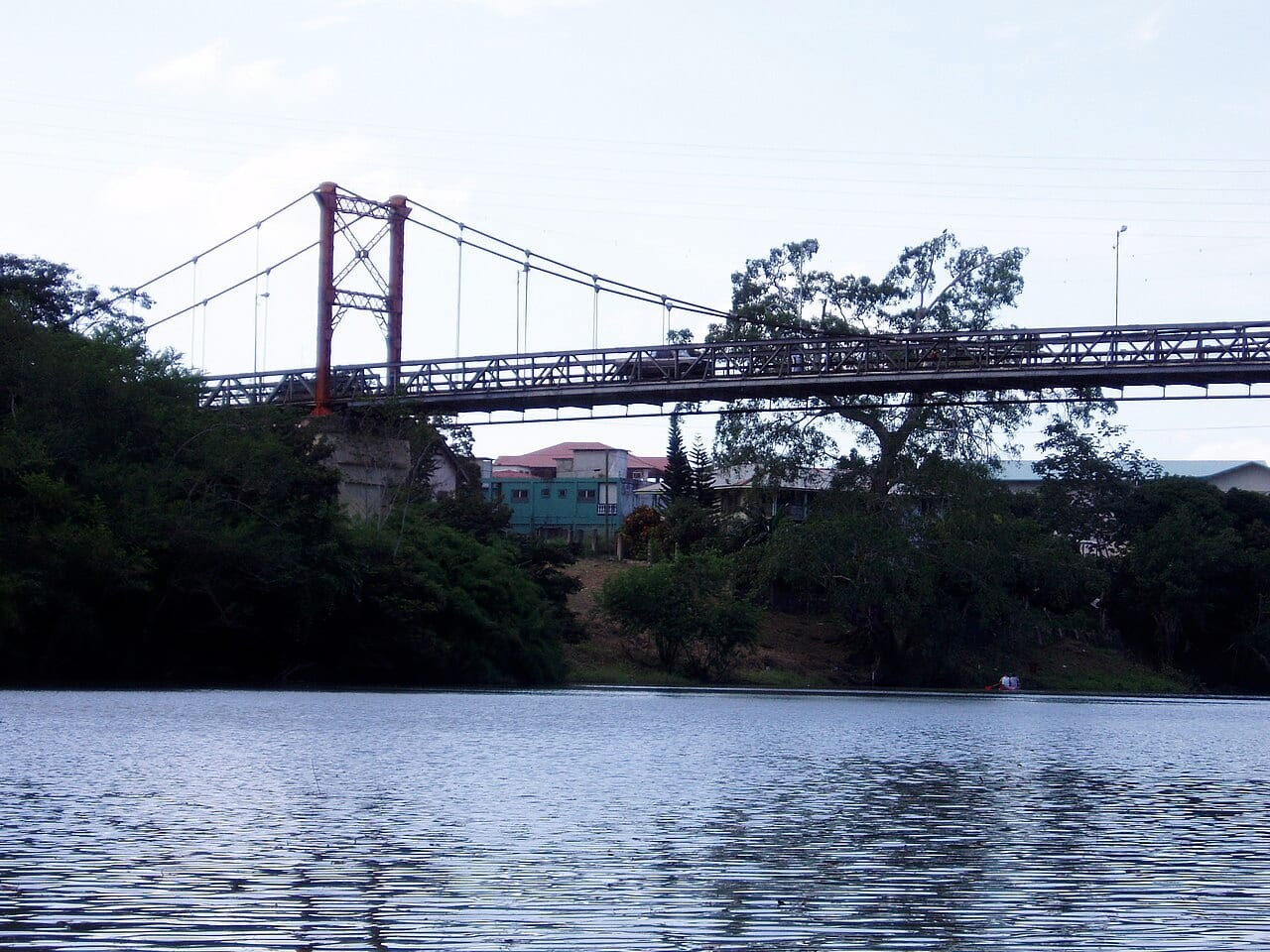
San Ignacio, the hub of the inland Cayo District, is Belize's fastest-growing town and its leading affordable, eco-and-lifestyle investment market, set where the Macal and Mopan rivers meet beneath jungle hills near the Guatemala border and the Maya sites of Xunantunich and Cahal Pech. It is the value alternative to the coast: 2-3 bedroom homes typically run USD 120,000-280,000, while riverfront and acreage properties span USD 180,000-450,000 and entry lots start far lower; prices sit 50-70% below comparable Ambergris Caye or Placencia product. Cayo is one of the country's fastest-appreciating regions off a low base as roads, utilities and tourism infrastructure improve, with mid-single-digit-plus annual growth and strong upside on early entry. Yields favor long-term rentals (5-8% gross) plus growing eco-lodge and agritourism income. Foreigners take full freehold in their own name with no restricted zones, pay an 8% stamp transfer tax above USD 10,000 (7% via IBC), and owe no capital-gains tax. The 2025 Investment Residency Program (BZ$500,000) and the over-45 Qualified Retired Persons program apply, making Cayo a favorite for retirees, homesteaders and farm/eco-lodge investors seeking land and lifestyle at accessible prices.
Sarajevo City Guide
Bosnia and Herzegovina
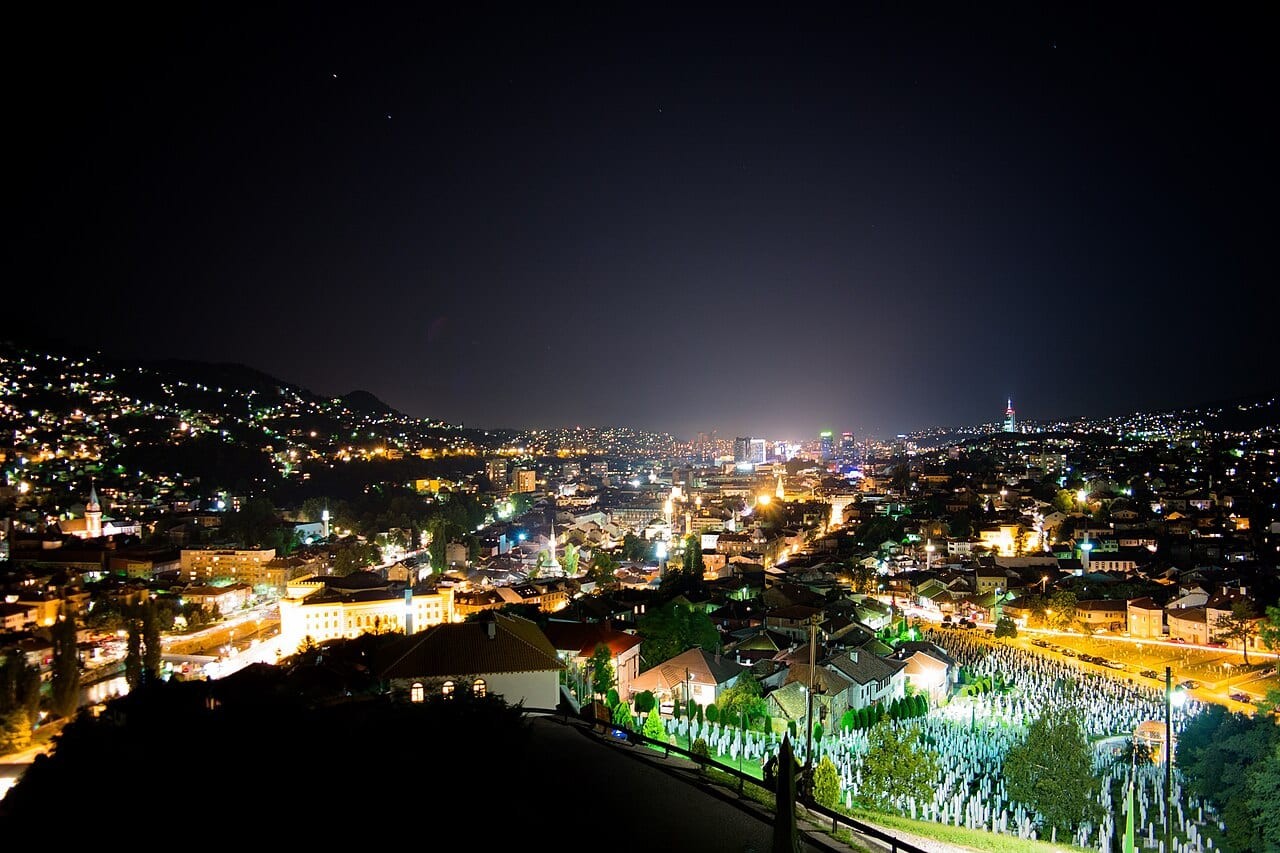
Sarajevo is the capital and largest city of Bosnia and Herzegovina, set in a river valley ringed by mountains and split historically between Ottoman, Austro-Hungarian, and modern quarters that give the city its distinctive East-meets-West character. As the seat of national government and the economic centre of the Federation of Bosnia and Herzegovina, the Sarajevo Canton concentrates the country's most active property market across its core municipalities of Stari Grad, Centar, Novo Sarajevo, and Novi Grad. New-build prices reached about BAM 3,694 (≈US$1,980) per square metre in 2025, up 7.6% year-on-year and at all-time highs, while secondary stock runs roughly €900–€1,200 per square metre and prime city-centre addresses can exceed €2,800/m². Rental yields are modest by Balkan standards, around 4% in the city, with select areas such as Ilidža reaching above 6%, reflecting strong price growth outpacing rents. The city draws value-seeking investors with low entry costs, EU-candidate upside, and a tourism revival, but the headwinds are notable: political fragmentation and constitutional complexity, a thin and locally-driven market, and a 23–24% annual drop in apartment and house sales across core municipalities in 2025 signalling cooling demand.

Belo Horizonte City Guide
Brazil
Belo Horizonte, the capital of Minas Gerais, is one of Brazil's first planned cities, a metropolis of roughly 2.3 million (around 6 million across the metro region) laid out on a grid below the Serra do Curral. Known for its warm mineiro hospitality, a celebrated bar-and-restaurant culture and the Niemeyer-designed Pampulha complex, it offers a more affordable, lower-volatility alternative to São Paulo and Rio. Foreigners buy urban property on fully equal terms, and prime value concentrates in a compact cluster of central-south neighbourhoods, Savassi, Lourdes, Funcionários, Belvedere and Buritis.
Brasília City Guide
Brazil
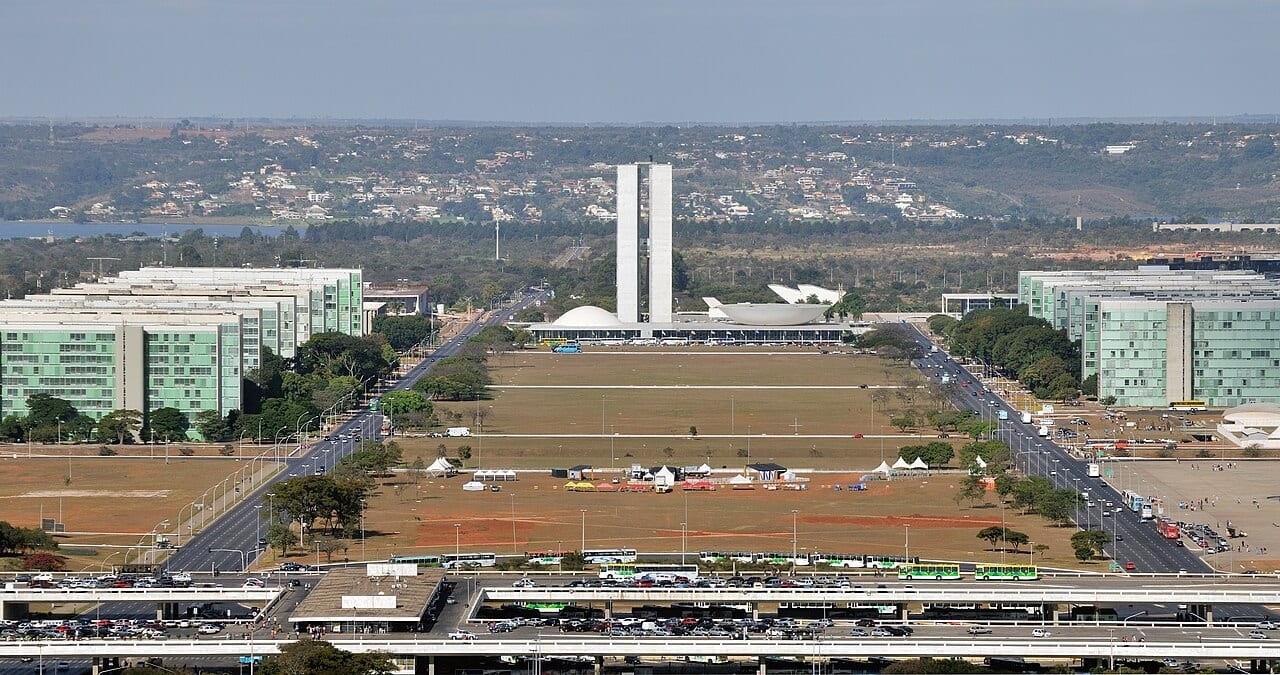
Brasília is Brazil's purpose-built federal capital, a UNESCO World Heritage modernist city designed by Lúcio Costa and Oscar Niemeyer, whose airplane-shaped Pilot Plan (Plano Piloto) organises residential life into low-rise superquadras along the North and South Wings. Home to roughly 3 million people (around 5 million across the Federal District region), it has Brazil's highest per-capita income, anchored by federal employment that gives the city unusually stable, recession-resistant housing demand. For investors it is a defensive, income-led market: appreciation is moderate, but rental demand from civil servants, University of Brasília students and professionals is deep, and protected urbanism keeps prime supply tight in Asa Sul, Asa Norte, Sudoeste and the lakeside Lago Sul/Lago Norte.
Curitiba City Guide
Brazil
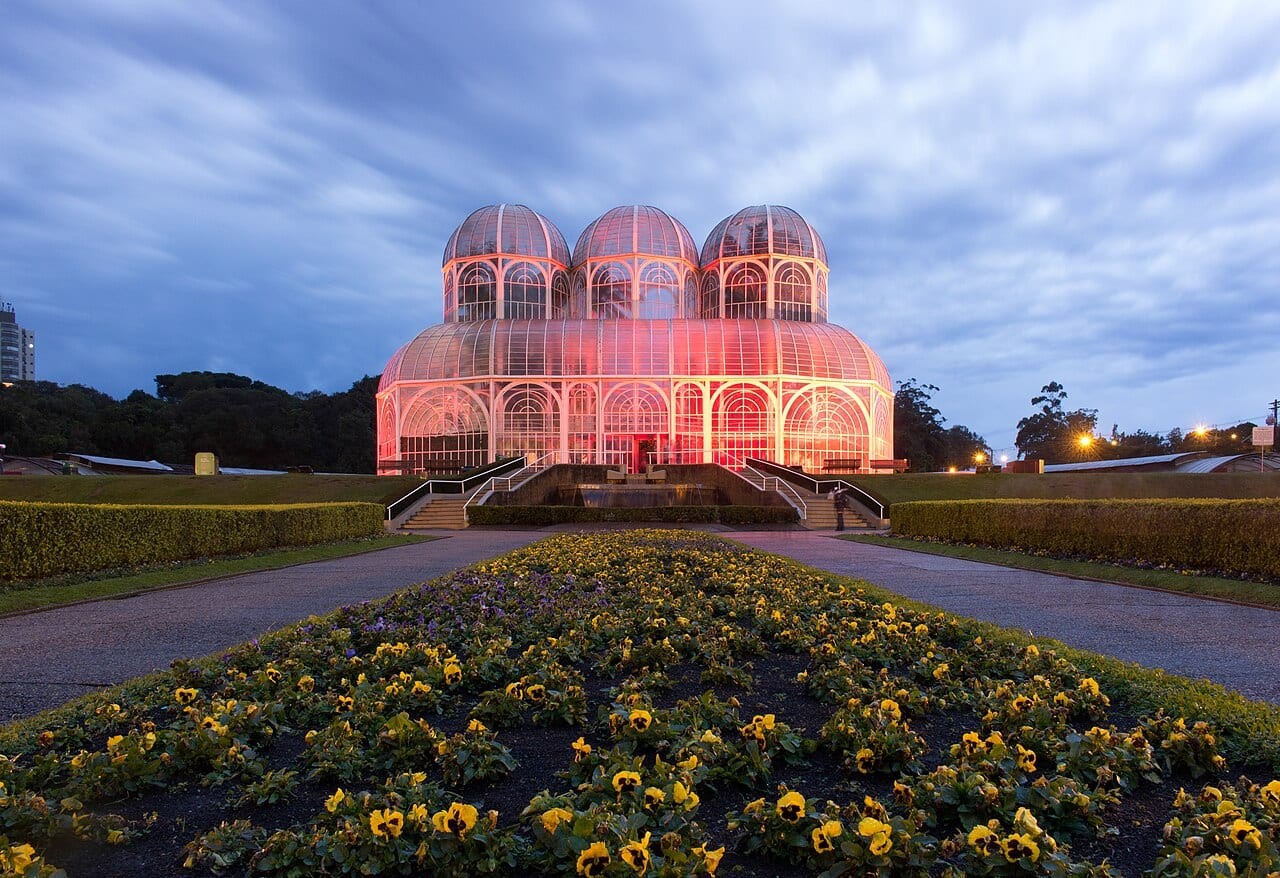
Curitiba, the capital of Paraná, is Brazil's model of urban planning, a green, orderly city of around 1.8 million famed for pioneering bus-rapid-transit, abundant parks and a high quality of life, anchored by a diversified economy spanning industry, services and technology. For investors it offers a stable, well-run major-city market with strong domestic demand, walkable upscale districts like Batel, and Brazil's US-dollar-referenced dynamics.
Florianópolis City Guide
Brazil
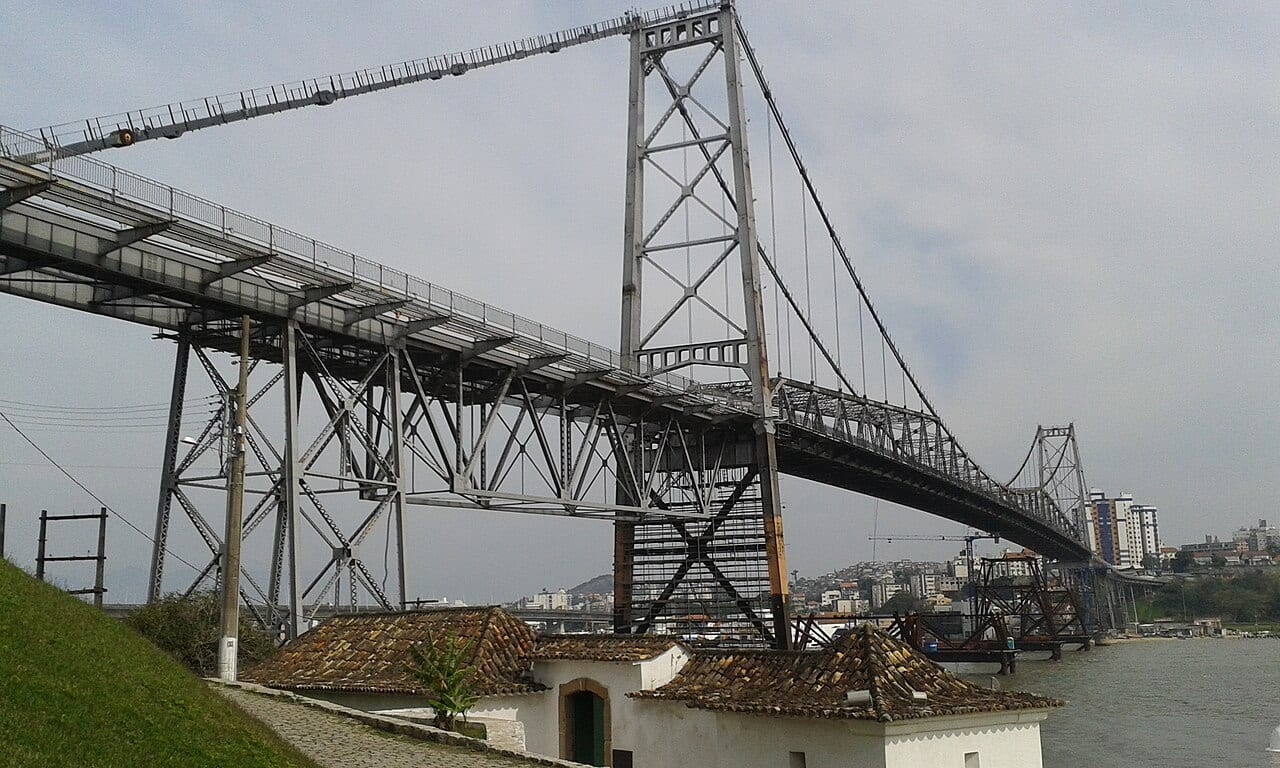
Florianópolis, 'Floripa', is the island capital of Santa Catarina and consistently rated among Brazil's highest quality-of-life cities: a surf-and-tech hub of more than forty beaches, a growing 'Brazilian Silicon Island' tech economy, and a magnet for domestic and Argentine tourists and lifestyle migrants. For investors it pairs strong tourism short-let demand with one of Brazil's fastest-appreciating residential markets, transacted in the country's US-dollar-referenced terms.
Fortaleza City Guide
Brazil
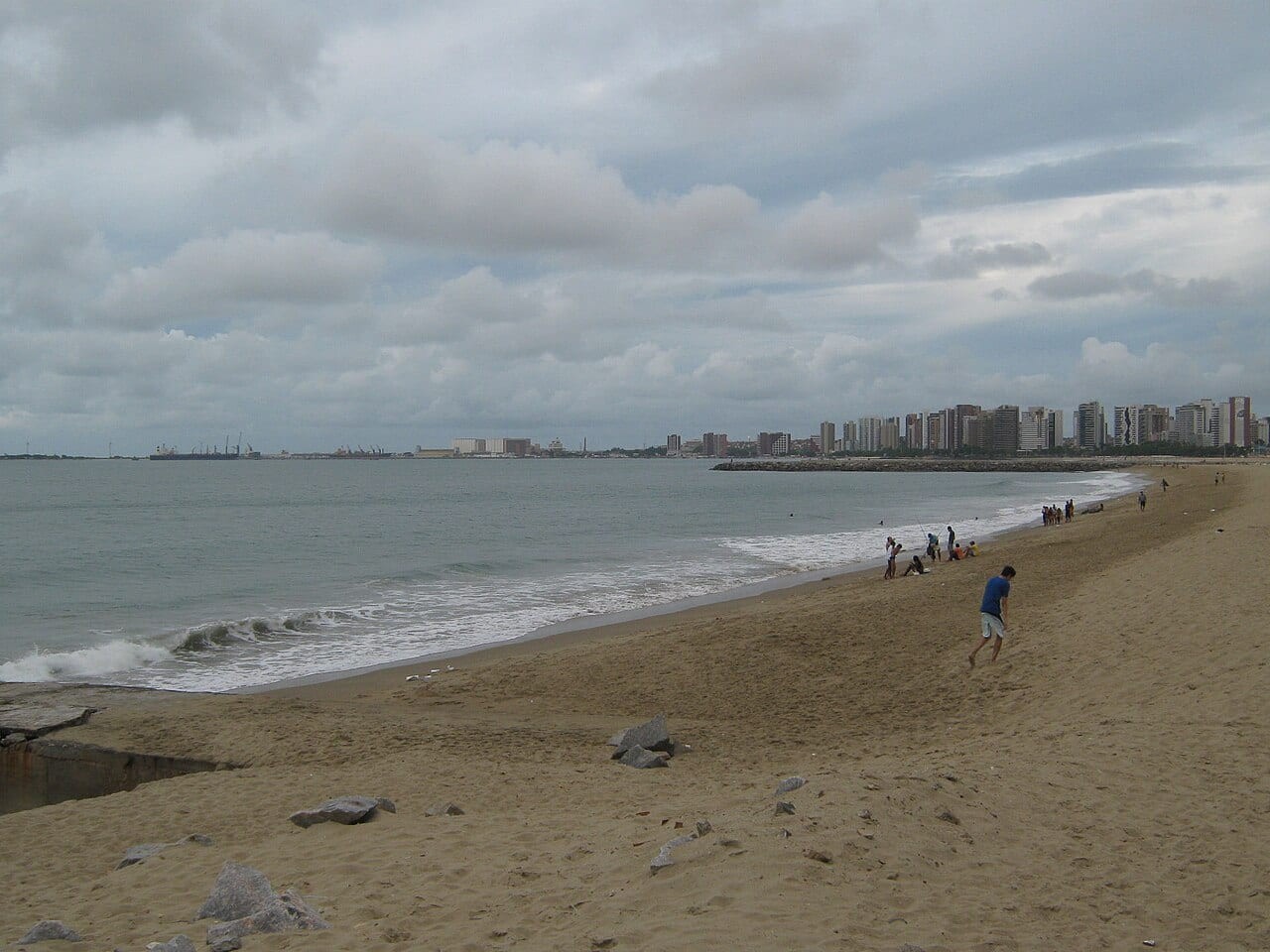
Fortaleza, capital of Ceara, has quietly become one of Brazil's most dynamic property markets. The country's fourth-largest city with a metropolitan population of around 4.3 million, it pairs more than 25 km of urban coastline with one of the strongest price-growth trajectories in the country: house prices rose roughly 12% year-on-year in early 2025 and the city topped the national Housing Demand Index. Premium beachfront condominiums in Meireles and Praia de Iracema command BRL 15,000-18,000 per square metre, yet the citywide average near BRL 5,800/m2 remains well below Sao Paulo and Rio, leaving room for further appreciation. The yield picture is two-tiered: long-let apartment yields average a modest 3-4% in prime beachfront pockets but climb toward 8-10% in working-class neighbourhoods, while well-managed short-term holiday rentals in coastal areas can reach 7-10% gross with peak-season occupancy above 80%. The fastest-rising districts heading into 2026 are Papicu, Praia do Futuro and Coco, driven by gentrification and future metro connectivity. Foreigners buy urban property freely, and purchases above BRL 700,000 open a permanent-residency route. Investors should weigh genuine risks: real-currency swings, high local financing costs, seasonal tourism dependence for short-let strategies, and wide safety variation between neighbourhoods.
Recife City Guide
Brazil
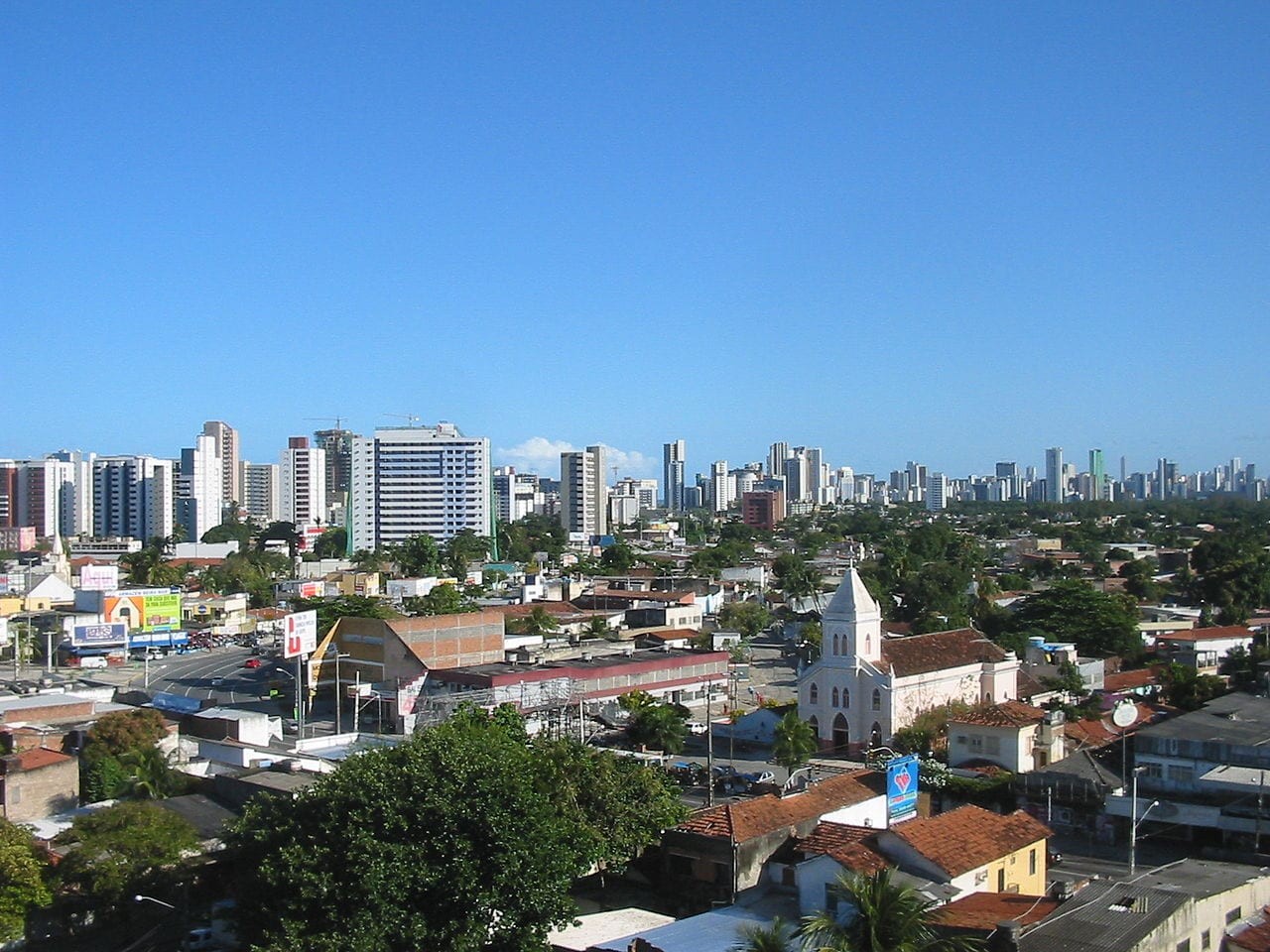
Known as the Brazilian Venice for its rivers, bridges and islands, Recife is the capital of Pernambuco and the economic engine of Brazil's Northeast. The city anchors a metropolitan region of roughly 4.3 million people and combines a deep historical core (the colonial Recife Antigo district) with a fast-growing technology cluster at Porto Digital, one of Latin America's most successful innovation parks. For property investors the appeal is twofold: entry prices remain a fraction of Sao Paulo or Rio at around BRL 5,200 per square metre, while gross rental yields are among the highest of any major Brazilian city, frequently in the 6-9% range. The beachfront district of Boa Viagem is the established prime market, prized for its long urban beach, dining and proximity to the financial centre, while Aldeia and the inland gated communities cater to families seeking space and security. Recife house prices rose a moderate 2.8% in early 2025, lagging hotter markets like Fortaleza, but the combination of affordability, a diversified services-and-tech economy, no restrictions on urban purchases by foreigners, and a permanent-residency route for purchases above BRL 700,000 keeps the city firmly on the radar for yield-focused buyers. Headwinds include Brazil's currency volatility, high domestic mortgage rates and urban-security perceptions that vary sharply by district.
Rio de Janeiro
Brazil
Rio de Janeiro is Brazil's iconic beachfront city, where the affluent Zona Sul neighbourhoods of Ipanema, Leblon and Copacabana meet the ocean beneath Sugarloaf and Corcovado. It is one of Brazil's two deepest property markets, split between scarce, premium-priced beachfront apartments in the south and the modern, master-planned towers of Barra da Tijuca to the west. Tourism and short-term rentals drive demand, and a weaker real has made dollar-holding foreign buyers more competitive. As across Brazil, the high policy rate frames the market as an inflation hedge and appreciation play rather than an income story, and nominal price growth should be read against inflation.
Salvador City Guide
Brazil
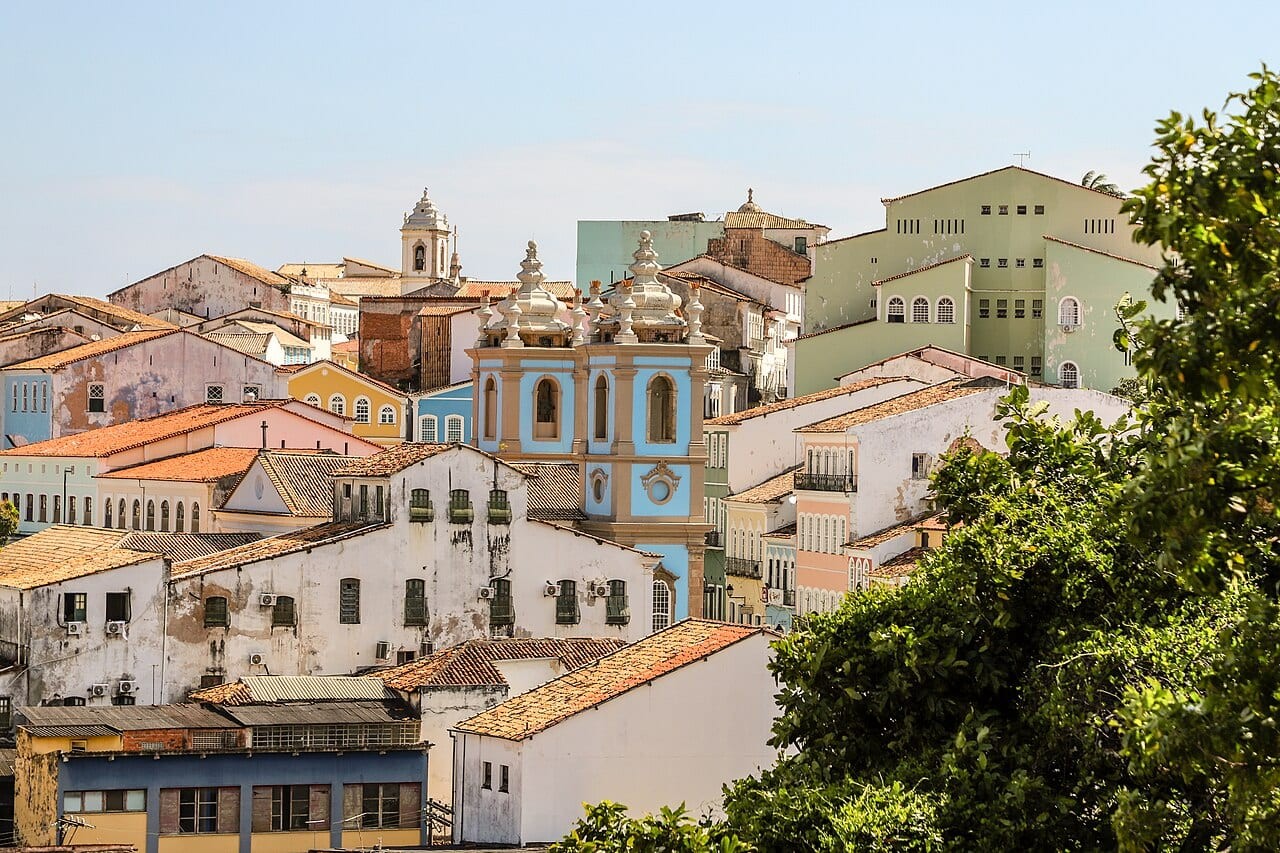
Salvador is the coastal capital of Bahia and Brazil's first colonial capital, home to the UNESCO-listed Pelourinho, the Afro-Brazilian cultural heartland of Candomblé and capoeira, and the largest street Carnival on earth. A metropolis of around 2.6 million (some 4 million across the metro region), it pairs a genuine year-round tourism-and-lifestyle economy with the strongest price momentum of any major Brazilian market. Crucially, Salvador sits in Brazil's Northeast, which qualifies for the discounted R$700,000 VIPER golden-visa threshold. The honest caveat is that safety varies sharply by zone: the prime southern/Orla beachfront (Barra–Ondina–Rio Vermelho) and the upscale Pituba–Itaigara belt are the investable focus.
São Paulo
Brazil
São Paulo is Latin America's financial capital and Brazil's largest city, the headquarters of the country's banks, corporations and the B3 stock exchange, with a metropolitan population of around 21.6 million. It is the deepest and most liquid property market in Brazil, centred on the Faria Lima corporate corridor and the affluent districts that surround it. With the policy rate (SELIC) elevated near 15% and gross residential yields around 6%, the investment case rests on inflation hedging and long-run capital appreciation rather than income, and on the distinction between strong nominal price growth and more modest real returns. A surge in new launches alongside softer high-end demand has tilted the premium segment toward buyers.

Plovdiv City Guide
Bulgaria
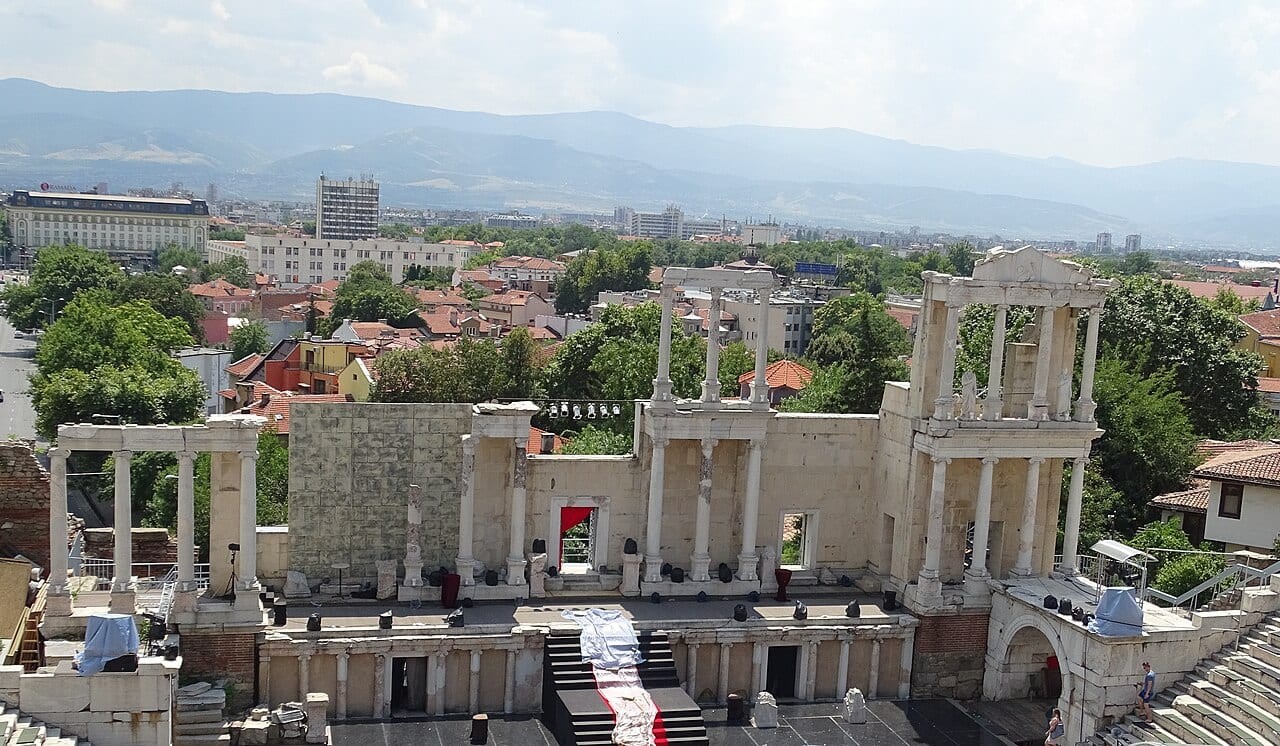
Plovdiv is one of Europe's oldest continuously inhabited cities (~8,000 years) and a 2019 European Capital of Culture, Bulgaria's vibrant second city behind Sofia. It combines some of Europe's lowest entry prices with relatively high yields, drawing value-focused and cultural-tourism investors to its UNESCO-listed Old Town, Roman monuments and the creative Kapana district. Citywide prices average roughly €1,150–1,500/m² (city-centre €1,600–2,000/m²), up from ~€800/m² in 2020, and Bulgaria's January 2026 euro adoption has removed currency risk for eurozone buyers. For investors it is a low-cost, higher-yield European entry: gross yields run ~4.7–6.2%, strongest on new-builds and small units.

Sofia City Guide
Bulgaria
Sofia is Bulgaria's capital and largest city — population 1.24M (city) / 1.55M (metro) — and one of Europe's oldest continuously inhabited capitals (Thracian origins ~7000 BC). The city sits at the foot of Vitosha Mountain (2,290m) with a layered Roman + Byzantine + Ottoman + Soviet-era + post-1989 modern cityscape. Sofia hosts Bulgaria's government, central bank, the rapidly-growing technology cluster (Sofia Tech Park), and the country's professional-services + financial-services + manufacturing employment core. Average residential property prices reached €2,400/m² by January 2026 — roughly 60% cheaper than Lisbon at €5,500+/m². With Bulgaria's January 2026 Eurozone accession + 2024 Schengen membership + 2007 EU accession, Sofia is now a fully-integrated European capital at the EU's most affordable price point.