City guides
City guides (402)

Cafayate
Argentina
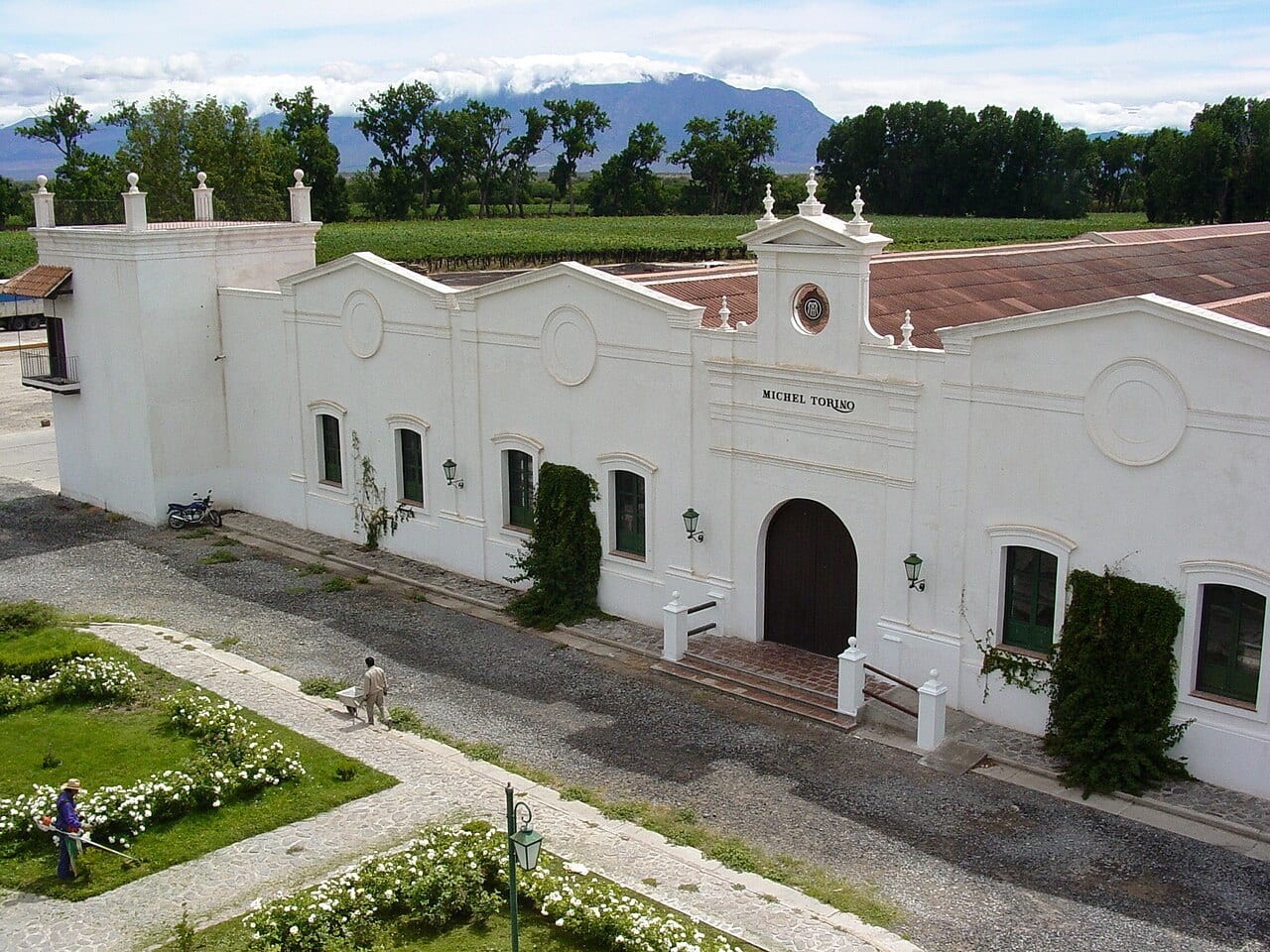
Cafayate is the wine capital of Argentina's northwest, a sun-drenched town at 1,660 m in the Calchaquí Valley of Salta Province, ringed by high-altitude Torrontés and Malbec vineyards and surreal red-rock canyons. With more than 320 days of sunshine a year, it has emerged as a lifestyle and wine-tourism investment destination anchored by exclusive developments like La Estancia de Cafayate, a 550-hectare community combining vineyards, golf, equestrian facilities and a world-class spa. The market is far more affordable than Patagonia: the median sale price is around US$118,000 with a median of roughly US$839/m² (about US$78/sqft), though estate villas and vineyard properties reach US$345,000-US$800,000. Wine-tourism rental programmes, such as managed villa-rental schemes attached to resorts, support gross dollar yields of 6-8%. Importantly for foreign buyers, Cafayate sits well inland, far from any international border-security zone, so the Ley 26.737 frontier restrictions that complicate Patagonian purchases do not apply here; urban and most rural parcels are freely purchasable, though large rural/agricultural holdings remain subject to the law's hectare caps now under constitutional review following Milei's Decree 70/2023.
Córdoba City Guide
Argentina
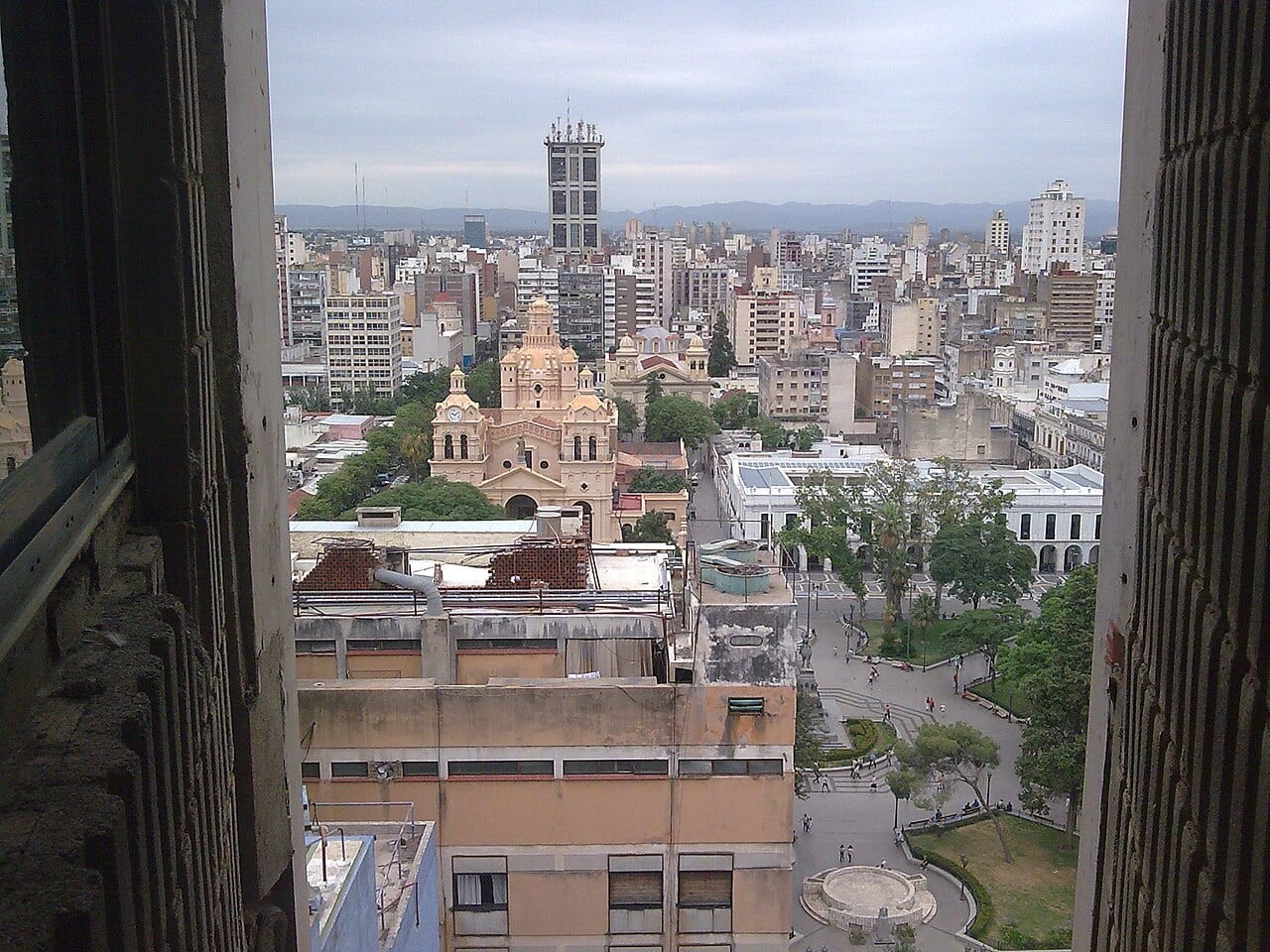
Córdoba is Argentina's second city, the country's university and innovation capital, a Jesuit-founded heartland metropolis of around 1.5 million people whose UNESCO-listed colonial core sits amid a young, energetic student economy and a growing technology and automotive industry. For investors it offers Argentine real estate's hard-currency, US-dollar dynamics at prices well below Buenos Aires, with student-driven rental demand concentrating in barrios like Nueva Córdoba.
Mar del Plata
Argentina
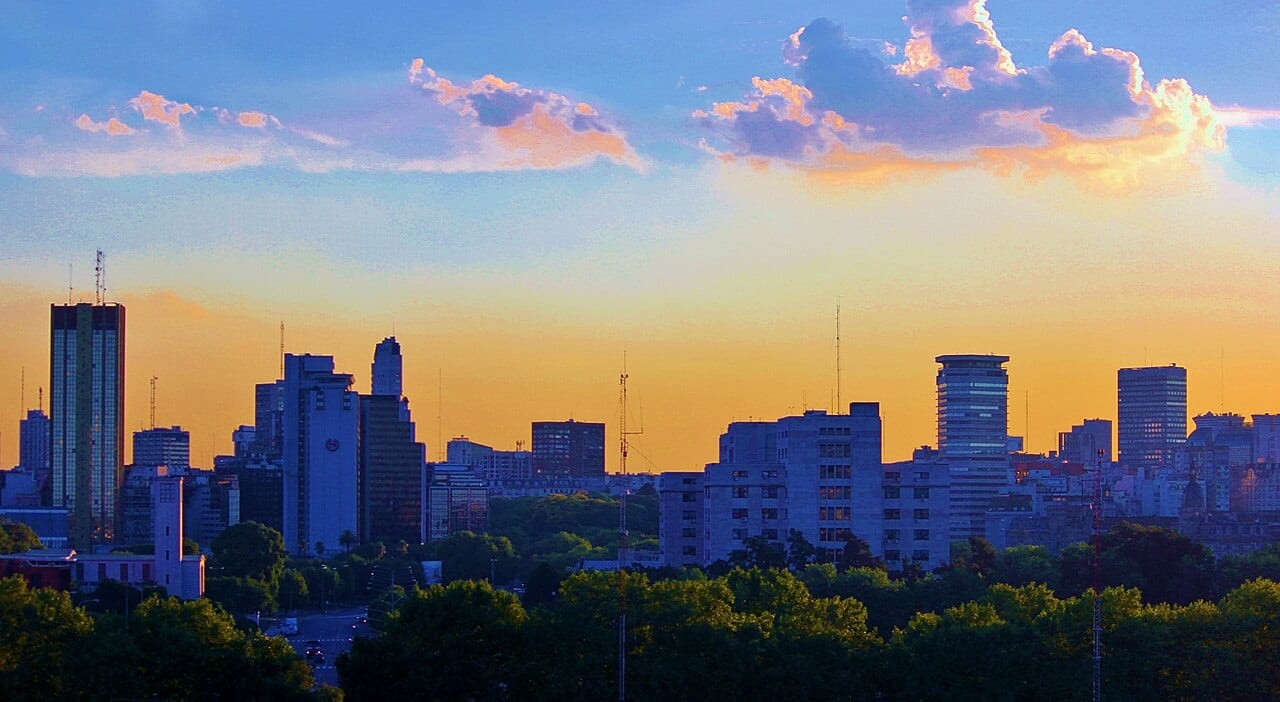
Mar del Plata is Argentina's flagship Atlantic beach city and the country's largest seasonal-rental market, drawing millions of porteños each summer. As of 2025 apartment prices range from roughly US$1,200 to US$1,800/m2, well below Buenos Aires's ~US$2,300-2,500/m2, with ocean-view and beachfront units commanding the upper end. That affordability, paired with intense summer tourism, makes the city a classic seasonal buy-to-let: long-term gross yields sit near Argentina's ~5% national average, but January-February short-term rentals along the beachfront can lift effective annual returns materially. The market is stabilising as national USD prices rose about 6% over the year to H1 2026 on renewed mortgage availability and rising transaction volumes. Mar del Plata is not within a border security zone, so foreign buyers enjoy full, unrestricted urban ownership rights identical to Argentines, needing only a CDI tax identification number to deed and register a property; coastal apartments carry no fideicomiso-style restriction. Year-round demand from a permanent population near 650,000, a major university and a working fishing port underpin the off-season, while the iconic Rambla, Playa Grande and Los Troncos give the city enduring lifestyle appeal for second-home and rental buyers alike.
Mendoza City Guide
Argentina
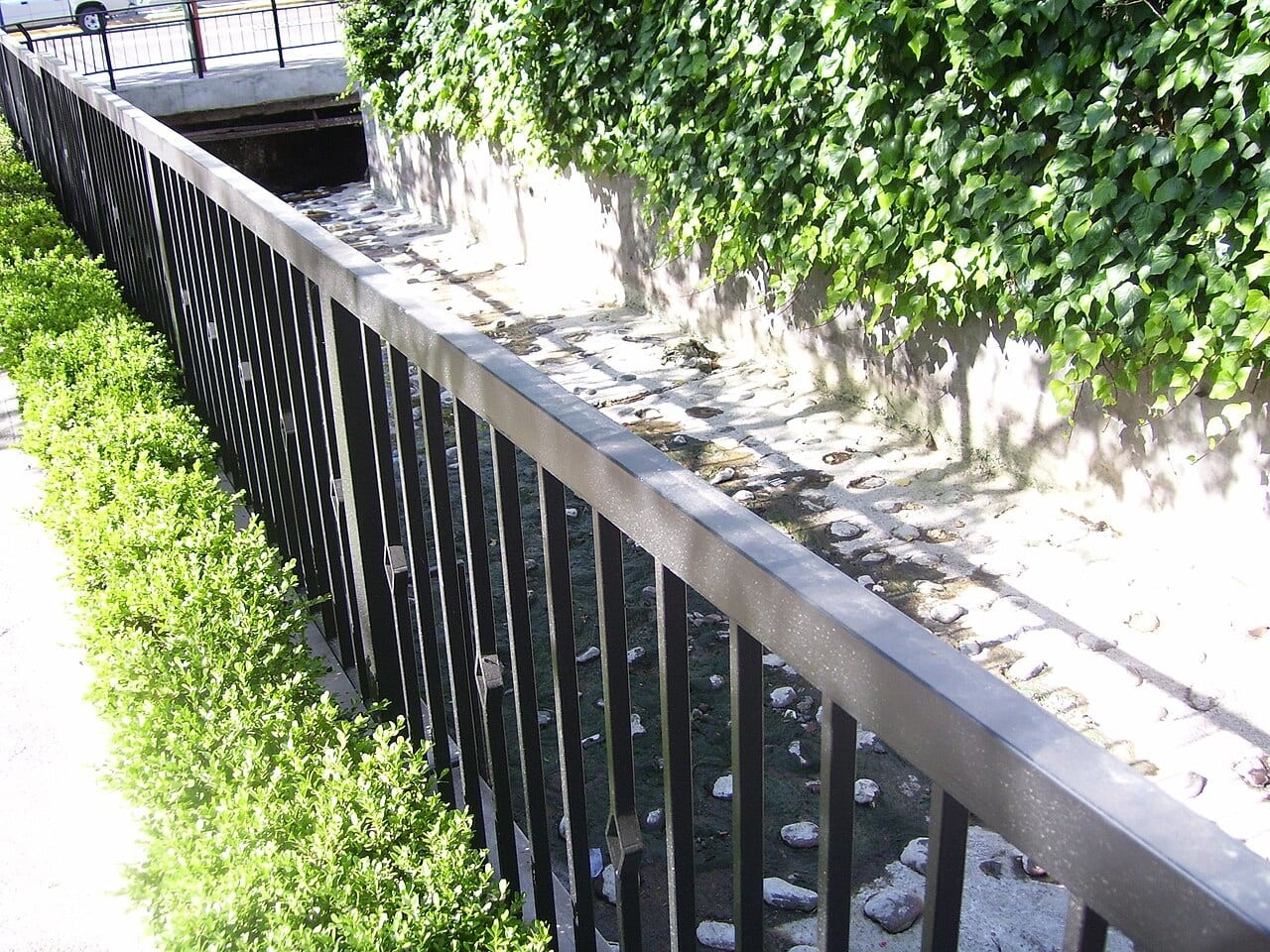
Mendoza is Argentina's wine capital and the gateway to the high Andes, a sunny, irrigated oasis city of tree-lined, acequia-fed streets at the foot of Aconcagua, world-famous for Malbec. Its economy blends viticulture, tourism and services, and for investors it offers Argentine real estate's US-dollar dynamics at low prices, strong wine-tourism demand, and a distinctive caveat: foreign ownership of rural/productive (vineyard) land is capped by national law, so wine-estate buyers must structure carefully.
Pinamar
Argentina
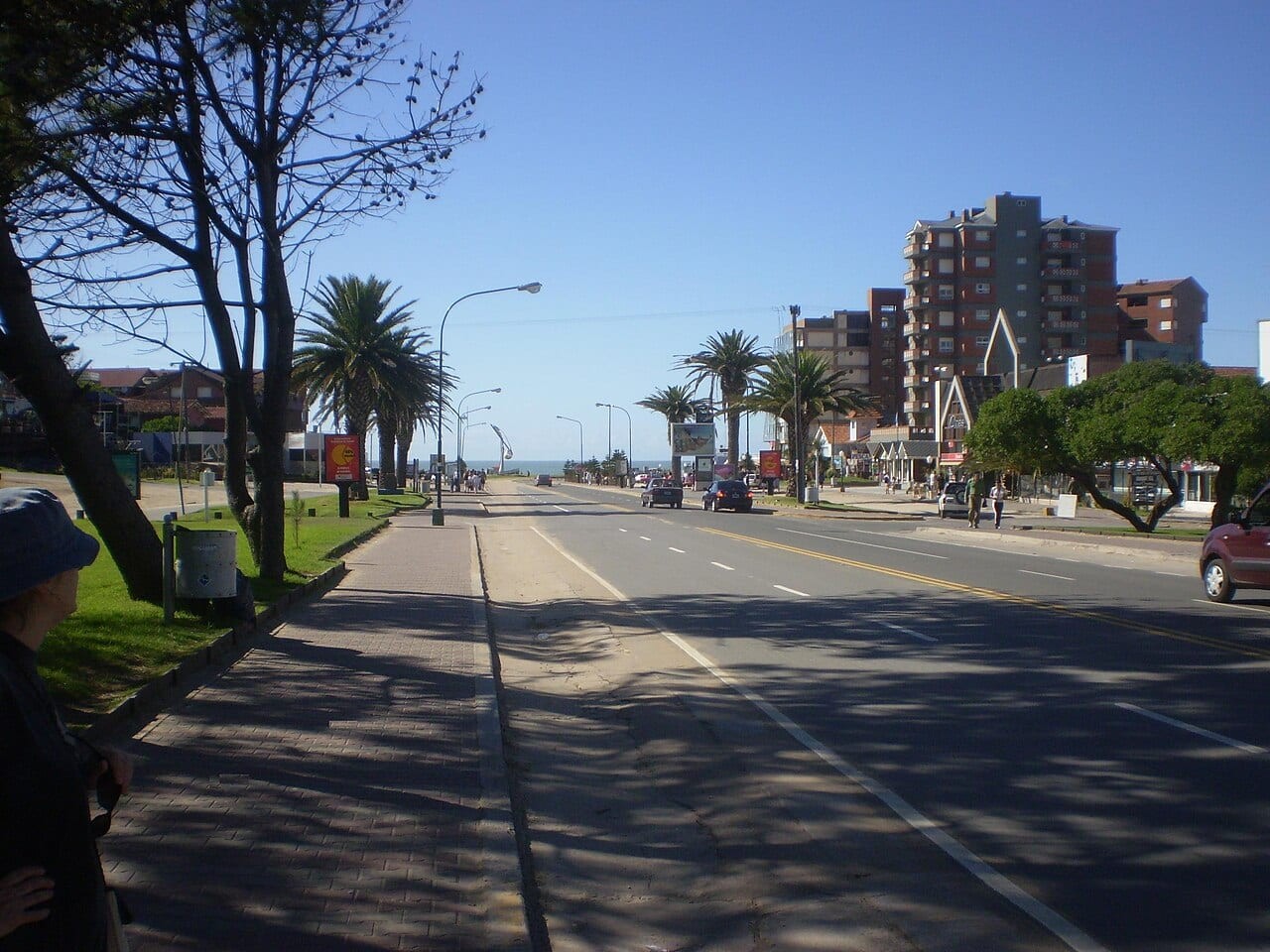
Pinamar is Argentina's most upscale Atlantic beach resort, a planned coastal town 360 km south of Buenos Aires built into pine-forested dunes under a strict building code. Together with its sister towns Ostende, Valeria del Mar and Cariló, it forms the Pinamar Partido, a magnet for affluent porteños and the heart of the country's summer second-home market. Prices are dollar-quoted: the median house sells for about US$265,000 at a median of US$1,602/m² (roughly US$149/sqft), with apartments ranging US$1,371-US$2,902/m² and exclusive Cariló estates reaching well beyond. The summer rental economy is intense, with peak-season houses commanding US$5,000-US$6,700+ per fortnight in late December, translating into gross dollar yields of 5-7% concentrated in the high season. As a coastal Atlantic town far from any international land border, Pinamar lies outside the Ley 26.737 frontier-security restrictions that affect Patagonia, so foreign buyers can acquire urban and coastal residential property freely; the rural-land hectare caps under constitutional review apply only to large agricultural parcels, not the forest-lot residential market that defines Pinamar.
Rosario City Guide
Argentina
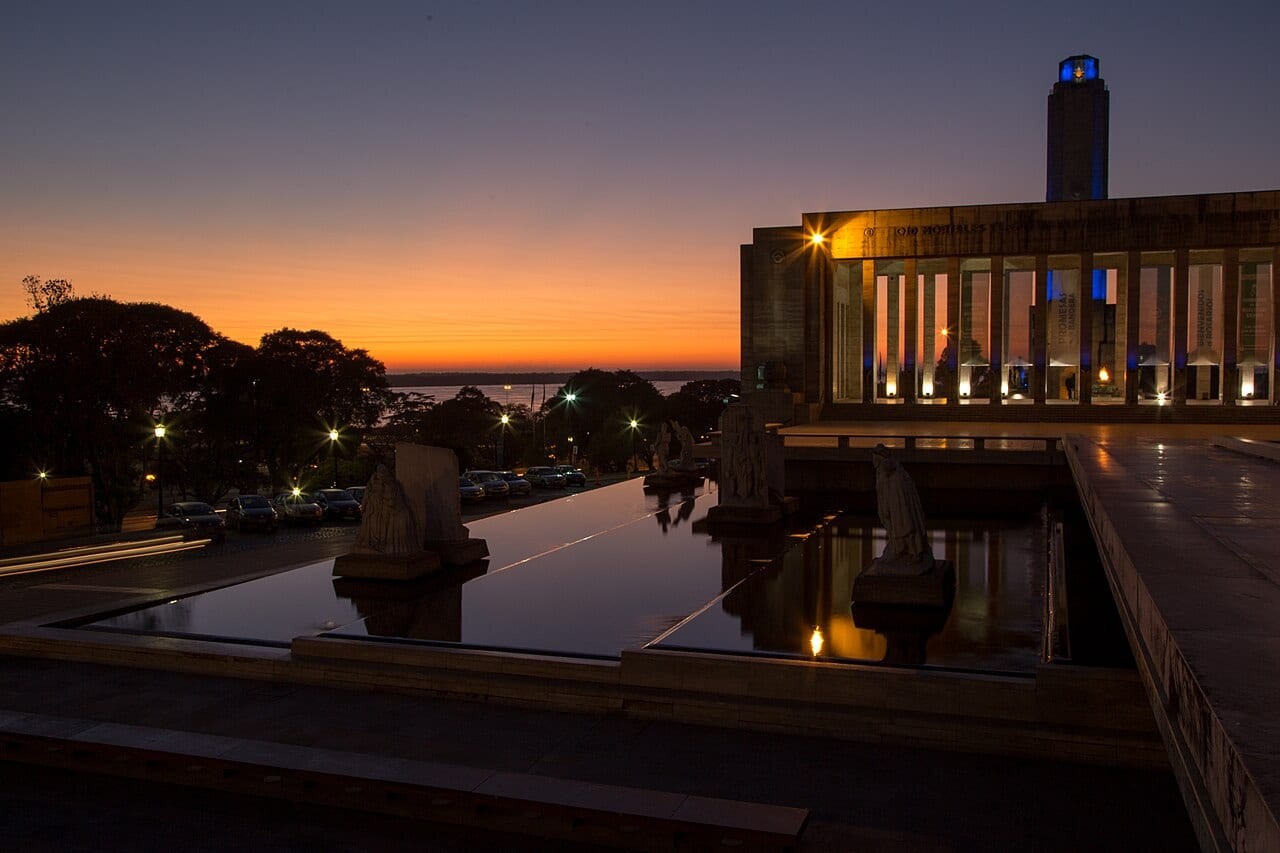
Rosario is the commercial heart of Santa Fe province and the engine of Argentina's grain-export economy, its agro-industrial port complex on the Paraná River handling much of the country's soy and grain. Set on a dramatic riverfront and anchored by the National Flag Memorial (Monumento a la Bandera), it is a deep, liquid 'second city', Argentina's third-largest urban area (~1.6 million metro), at prices a fraction of Buenos Aires. Famous as Lionel Messi's hometown, it pairs genuine agro-backed economic substance with the Milei-era recovery now reaching the provinces. For investors it is a USD-priced, discounted-entry capital-recovery market rather than a high-yield play.
Salta
Argentina
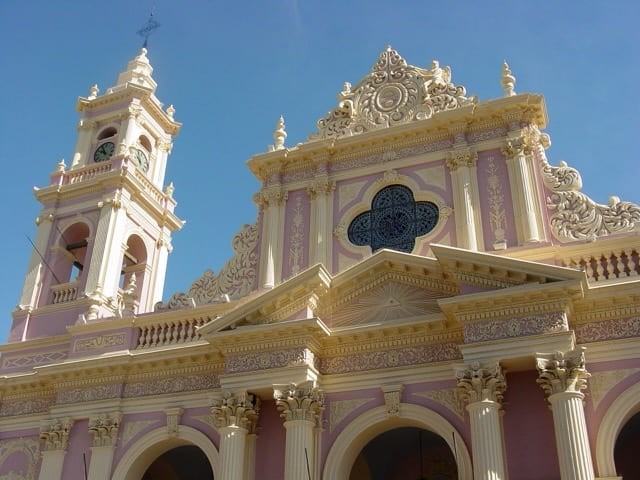
Salta, capital of its namesake northwestern province, is widely regarded as Argentina's best-preserved colonial city, a tourism magnet whose cobblestoned microcentro, painted churches and Andean setting drive year-round visitor demand. Provincial pricing is a fraction of Buenos Aires: quality apartments broadly sit around US$1,100-1,500/m2, with central and well-finished stock toward the top of that band, while Numbeo reports a city-centre price-to-rent ratio near 21.5, implying gross long-let yields around 4.6%. National USD prices rose roughly 6% in the year to H1 2026 on renewed mortgages and rising transactions, and Salta has tracked the broader recovery while remaining an affordability standout. A crucial caveat for foreign buyers: Salta province lies within Argentina's 'Zona de Seguridad de Fronteras,' so non-resident purchases can require prior 'previa conformidad' authorization from the Interior Ministry, adding weeks or months, though urban apartments in the consolidated city are routinely transacted with the standard CDI tax ID and competent local counsel. Strong tourism (colonial heritage, the Tren a las Nubes, wine routes), a large student population and government employment underpin both short-term and long-term rental demand, making Salta an affordable, lifestyle-rich entry into northern Argentina with steady, if modest, appreciation.

San Martín de los Andes
Argentina
San Martín de los Andes is Argentine Patagonia's most coveted alpine resort town, set on the eastern shore of Lake Lácar at the gateway to Lanín National Park and the Chapelco ski resort. With dollar-denominated pricing dominating a cash market, the average Patagonian family home runs around US$230,000 as of January 2026, but scarce flat, buildable land near the centre commands far more. The Centro and Chapelco corridor is forecast to post 10-15% price growth in 2026, roughly double the regional average, driven by record passenger numbers at Patagonian airports and a 500%+ year-over-year surge in Argentine mortgage activity as inflation cooled to around 31% by late 2025. Five-year cumulative appreciation could reach 35-60% in best-case scenarios. Turnkey winterized chalets and lakefront apartments suit dual long-term and seasonal-tourism rental strategies, with gross yields typically 5-7% in dollars. Foreign buyers should note Ley 26.737 border-security-zone restrictions: San Martín lies near the Chilean frontier, and although Milei's Decree 70/2023 repealed foreign-ownership caps, that repeal faces a constitutional challenge and remains legally ambiguous as of 2026. Urban, non-rural plots in town are generally unaffected, but rural or water-bordering parcels warrant prior INSF clearance and local counsel before purchase.
Tigre
Argentina
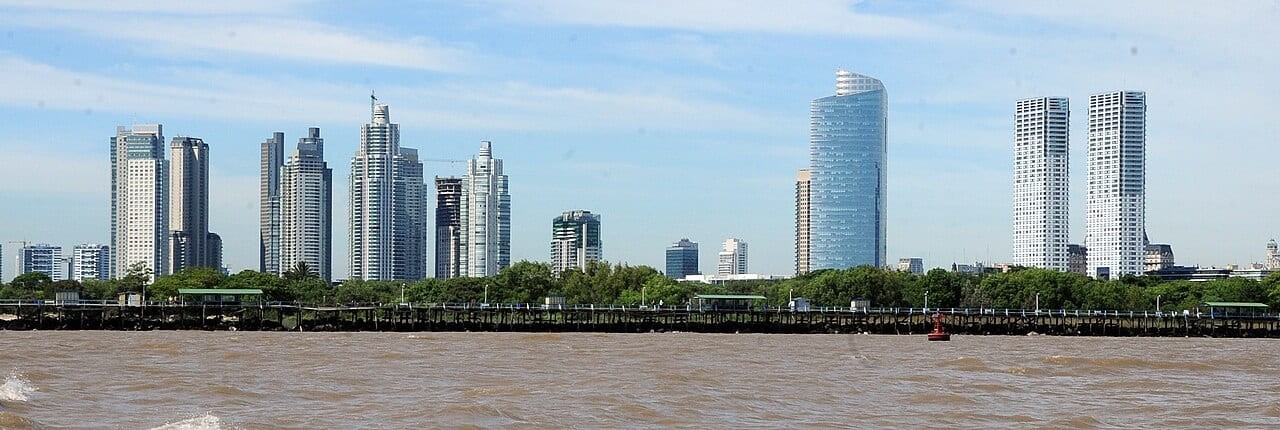
Tigre sits at the gateway to the Paraná Delta in Greater Buenos Aires's affluent northern corridor, blending riverfront recreation, the famous Puerto de Frutos market and the country's largest planned gated-community market. As of 2025 the median condo price is around US$2,290/m2, broadly in line with the City of Buenos Aires (~US$2,370/m2 in early 2025), while exclusive Nordelta and waterfront stock command clear premiums as Argentine families pay up for security and lifestyle infrastructure. Rental dynamics split sharply: traditional long-term lets yield roughly 2-4% gross, but temporary and tourist-oriented rentals in delta and gated areas can reach 8-10%, making short-let strategies the standout. National USD prices rose about 6% in the year to H1 2026 on renewed mortgages and rising transactions, and Tigre, Pilar and the northern suburbs have drawn strong investor and end-user interest. Critically, Tigre is not in a border security zone, so foreign buyers enjoy full, unrestricted urban ownership rights identical to Argentines, requiring only a CDI tax identification number to deed and register, there is no fideicomiso-style restriction on waterfront or gated property here. A ~380,000 population, the Tren de la Costa, and continuous gated-community expansion underpin durable demand.

Villa La Angostura
Argentina
Villa La Angostura is Patagonia's premier lakeside resort, hugging the northern shore of Lake Nahuel Huapi between Bariloche and the Chilean border. Often called the 'Garden of Patagonia,' it pairs Cerro Bayo skiing with the Arrayanes National Park forest and a concentration of luxury lodges, making it Argentina's most exclusive lakefront market. Pricing is dollar-denominated; while the regional average home sits near US$230,000, true lakefront villas here trade from roughly US$1.45 million to US$3.2 million, with only a handful of genuine comparables at any time. Prime lakefront and ski-adjacent stock is forecast to appreciate around 5-12% over the next 12 months as record Patagonian tourism, sub-31% inflation and a 500%+ surge in mortgage activity strengthen demand. Gross dollar yields run 4-6% given premium price points, with strong seasonal short-let income in both summer and ski season. Foreign-ownership caution is essential: Villa La Angostura sits squarely in the Chilean border-security zone governed by Ley 26.737, which restricts foreign ownership of land bordering water bodies and frontier zones. Milei's Decree 70/2023 repealed those caps, but the repeal remains under constitutional challenge and legally ambiguous in 2026; urban plots are usually fine, while lakefront/rural parcels require INSF clearance and specialist counsel.
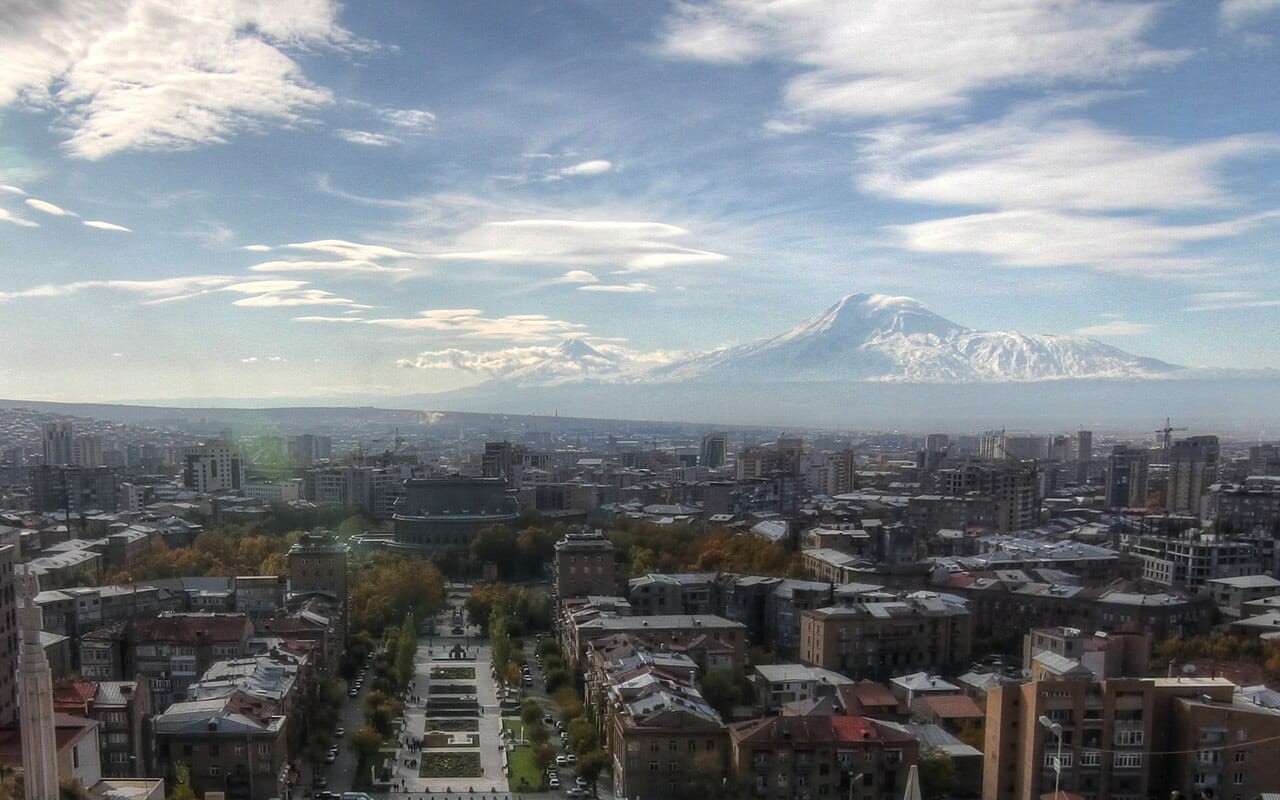

Yerevan City Guide
Armenia
Yerevan is the capital and largest city of Armenia and one of the world's oldest continuously inhabited cities, home to over a million people, roughly a third of the national population, and the centre of the country's economy, culture, and property market. The capital has been a magnet for capital and people since 2022, when large inflows of migrants and businesses relocating from Russia drove a sharp run-up in prices and rents that has more recently begun to stabilise. City-centre apartments average around US$2,300 per square metre, but prices vary widely by district: prime Kentron commands the top tier (recently around 908,000 AMD/m²), while areas like Arabkir, Davitashen, and Nubarashen step progressively lower. Armenia recorded roughly 248,000 real-estate transactions in 2024 (up 12.9%), and apartment sales rose 26.5% year-on-year in H1 2025. Yields are attractive: citywide gross rental yields average about 7.8%, with Arabkir often delivering 8–10% and central Kentron nearer 6–8%. Foreigners can buy freely (with no residency requirement), and there is no restriction on foreign ownership of apartments. The principal risks are the market's reliance on post-2022 migration flows that could reverse, regional geopolitical tension, and recent rental-price volatility.
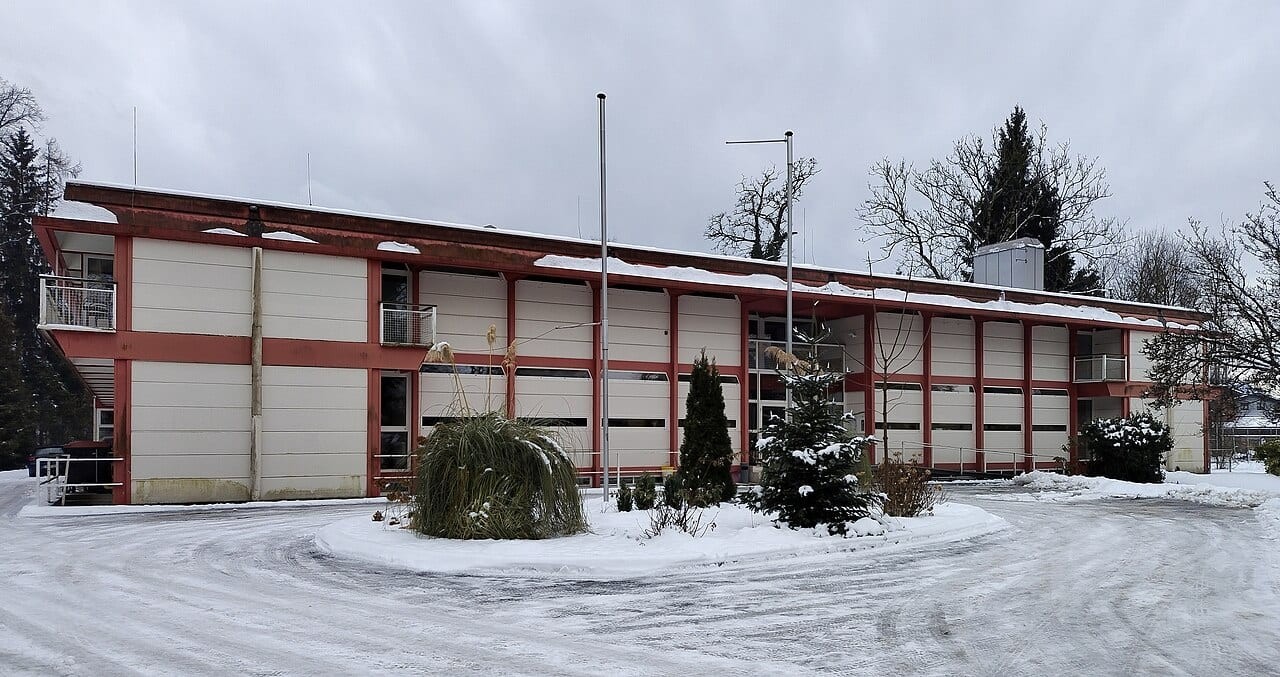

Salzburg City Guide
Austria
Birthplace of Mozart and home to a UNESCO World Heritage baroque old town, Salzburg is Austria’s most prestigious property market outside Vienna and Innsbruck, and one of its most supply-constrained. Hemmed in by Alpine terrain and strict heritage and second-home regulation, the city offers exceptionally limited new development against persistent demand from affluent domestic buyers, the world-famous Salzburg Festival economy, and a steady flow of tourists and students. The result is among the highest prices in the country: an average property price around €915,000 and roughly €9,860 per square metre as of mid-2025, second only to Innsbruck. Prices rose about 5% in the year to mid-2025, the strongest growth of any Austrian city, and the consensus forecast is for continued gains of 3–5% annually, with prime and tourist-favoured areas at the higher end. Investors should enter with eyes open on income: gross rental yields are low, averaging around 2.9–3.8% citywide and compressing to roughly 2.5% in ultra-prime locations, reflecting a market driven far more by capital preservation and lifestyle than by cash flow. With a city population near 147,000 and a state population around 573,000, Salzburg suits a wealth-preservation, capital-growth thesis rather than a yield play.
Vienna
Austria
Vienna is Austria's capital, the EU's 5th-largest city, and consistently ranked the world's most liveable city by both Mercer and the Economist Intelligence Unit. The city is uniquely shaped by its 220,000-unit municipal social housing stock (Gemeindebau), which keeps about 60% of Vienna's rental market structurally subsidized -- creating an unusual two-tier market for investors. The private residential market commands EUR 5,500-9,500 per square metre in central inner districts (1, 4, 6, 7, 8, 9), with rental yields of 3.5-4.5% gross. Vienna's prices have appreciated ~75% over the past decade but remain a fraction of Munich, Zurich, or Frankfurt -- making it Europe's best value among major German-speaking capitals. For international buyers, Vienna offers EU/Eurozone safety, English-friendly central districts, deep institutional liquidity, and a defensive market with very low volatility. Foreign nationals from outside the EU need cantonal approval to purchase, but this is generally granted for residential. The catch: rental market is heavily regulated (Mietrechtsgesetz), and the social housing stock dampens private-rental yield growth.
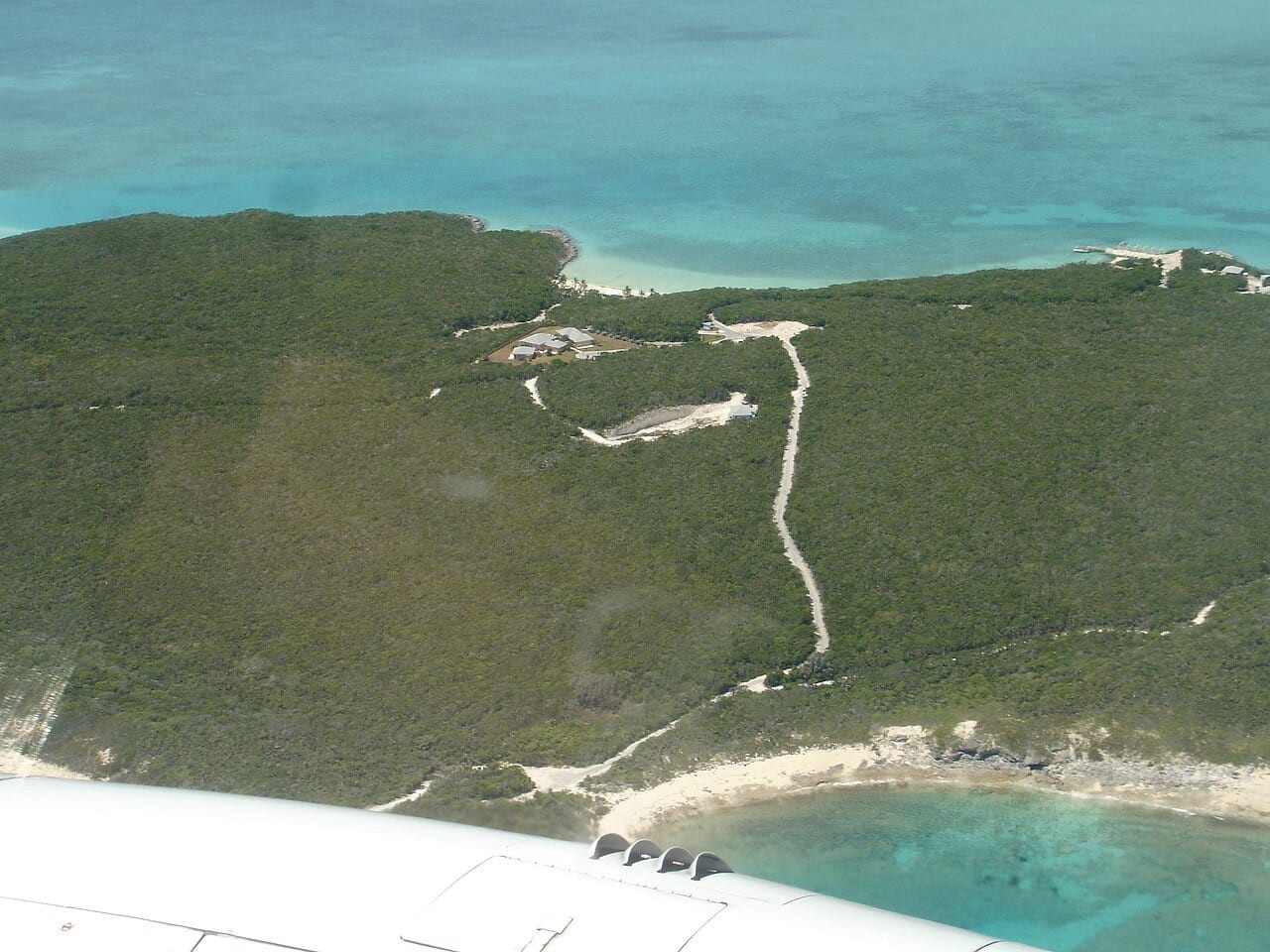

Exuma City Guide
Bahamas
Exuma, a 365-island chain in the central Bahamas anchored by Great Exuma and the hub town of George Town, is the country's fastest-rising Out Island market. Famous for the swimming pigs, Thunderball Grotto and some of the planet's clearest water, it has shifted from sleepy backwater to sought-after second-home and resort-residence destination, with prices rising steadily as the islands gain global fame. The market spans attainable inland lots and homes from around US$300,000 to luxury resort residences at Grand Isle and Emerald Bay, where villas and penthouses run from roughly US$1.5M to US$3.75M; beachfront and sea-to-sea estates can exceed US$5M. Prime product sits around US$500-$1,200 per square foot. Resort-managed villas at Grand Isle deliver strong vacation-rental performance, with gross yields commonly 7-9%+ given high nightly rates and managed programs. The Bahamas' tax neutrality and unrestricted foreign ownership apply equally here; sub-five-acre homes need only Investments Board registration, closing costs centre on 10% VAT plus ~2.5% legal fees, and US$750,000+ purchases qualify for permanent residency. Limited inventory and rising fame point to continued appreciation through 2026.
Freeport City Guide
Bahamas
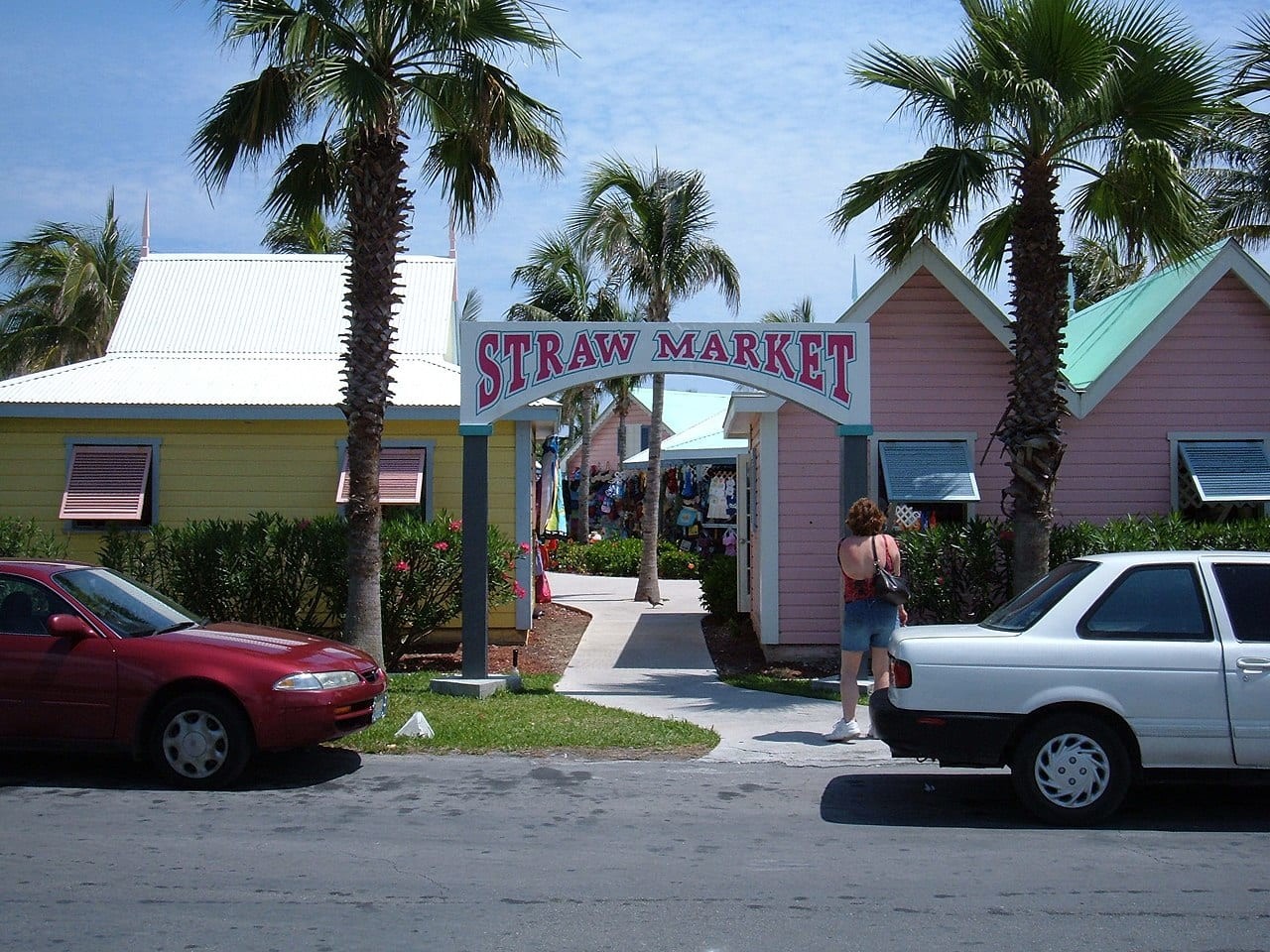
Freeport, the planned commercial city on Grand Bahama Island, is the Bahamas' value-and-recovery market and the most affordable of the major foreign-investor destinations. Operating under the unique Hawksbill Creek Agreement free-trade zone, it offers duty and tax concessions that appeal to businesses and investors. After post-hurricane and pandemic slowdowns the market is on a clear upward trajectory: the island-wide median home price is roughly US$475,000, far below New Providence, while waterfront Lucaya homes range from about US$399,000 to US$4.5M (median near US$1.29M) and premium West End estates run US$1.7M to US$6.5M. Prime product sits around US$300-$700 per square foot. Crucially, yields are strong for the price: Lucaya waterfront homes with pools and docks generate 8-9% annual yields. Major catalysts, a large new cruise port and an airport overhaul, are moving from planning into reality, tightening supply and lifting values into 2026. Foreign ownership is unrestricted with only Investments Board registration for sub-five-acre homes, closing costs centre on 10% VAT plus ~2.5% legal fees, and US$750,000+ purchases qualify for permanent residency. Freeport is the Bahamas play for value, yield and infrastructure-led upside.
Nassau City Guide
Bahamas
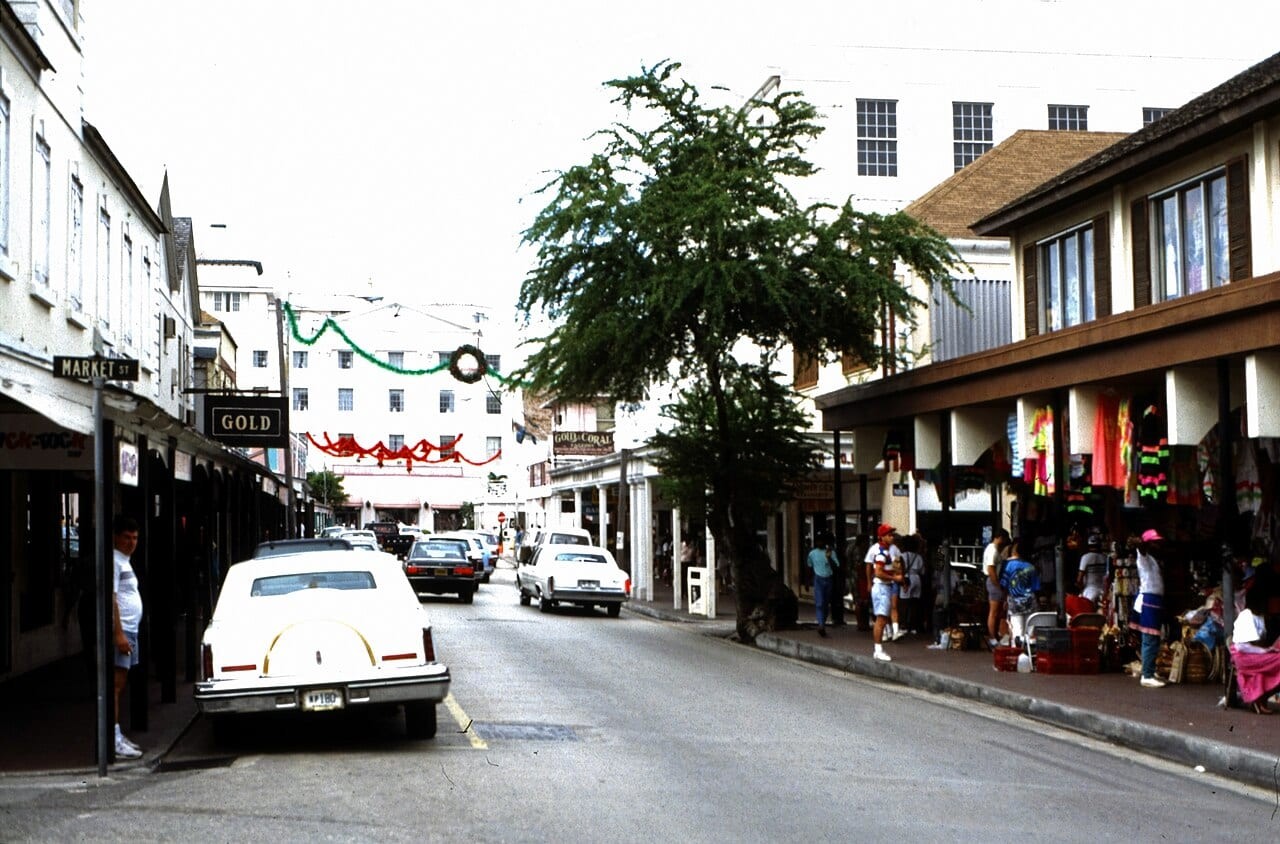
Nassau, the Bahamian capital on New Providence Island, is the Caribbean's premier tax-neutral luxury property market and the entry point for most foreign investors. Average sale prices across New Providence climbed sharply through 2025, with the island-wide average sale price near US$939,000 and waterfront values up 15.4% year-on-year. Mid-market homes trade around US$700,000-$750,000, while luxury beachfront condos start near US$3 million and trophy estates in gated enclaves reach US$15-40 million. Prime product runs roughly US$750-$2,500 per square foot depending on location and water frontage. There is no income, capital-gains, inheritance or annual property tax beyond the Real Property Tax bands, making net yields attractive: long-term gross rental yields average about 6.5%, while well-run short-term vacation rentals can reach 8-10%+. Foreigners face no ownership restrictions; residential purchases under five acres need only registration with the Investments Board. Buyers budget for 10% VAT on the conveyance (typically split with the seller) plus ~2.5% legal fees. A property purchase of US$750,000+ qualifies for permanent residency, with expedited processing above US$1.5 million. Limited resale supply in gated communities keeps the prestige segment tight and appreciating into 2026.
Paradise Island City Guide
Bahamas
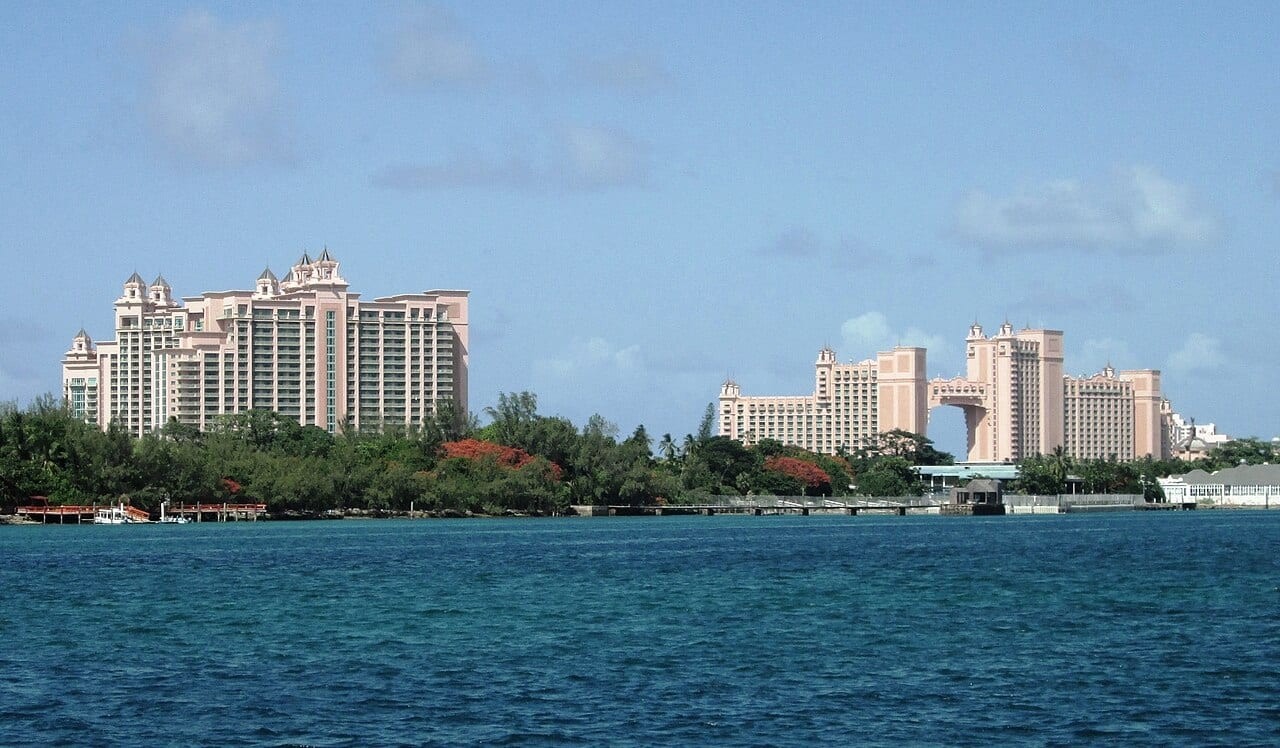
Paradise Island, linked to Nassau by two bridges, is the Bahamas' most recognisable resort destination and a concentrated luxury-condo and estate market. Home to the Atlantis mega-resort and the prestigious One&Only Ocean Club, it commands premium pricing: condos generally trade from US$700,000 to US$3M, while waterfront estates and the gated Ocean Club Estates run from roughly US$2M to well above US$10M. Prime product sits around US$900-$2,000 per square foot. The island's wall-to-wall tourism, marinas and golf underpin some of the strongest vacation-rental performance in the country, with well-managed short-term rentals reaching 8-10%+ gross yields against 60-85% occupancy; long-term yields average closer to 5-6%. The Bahamas levies no income, capital-gains or inheritance tax, and foreigners buy freely with only Investments Board registration for sub-five-acre homes. Closing costs centre on 10% VAT (typically shared with the seller) plus ~2.5% legal fees, and a purchase of US$750,000+ unlocks permanent residency. Constrained land and continued resort investment keep Paradise Island appreciating into 2026, especially for branded and marina-front product.
Bridgetown City Guide
Barbados
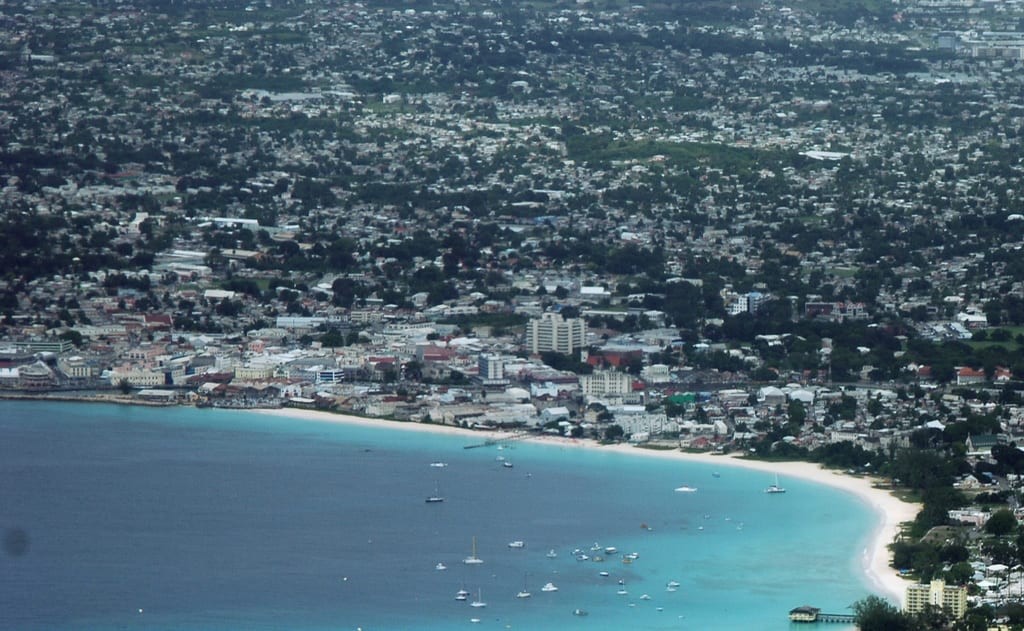
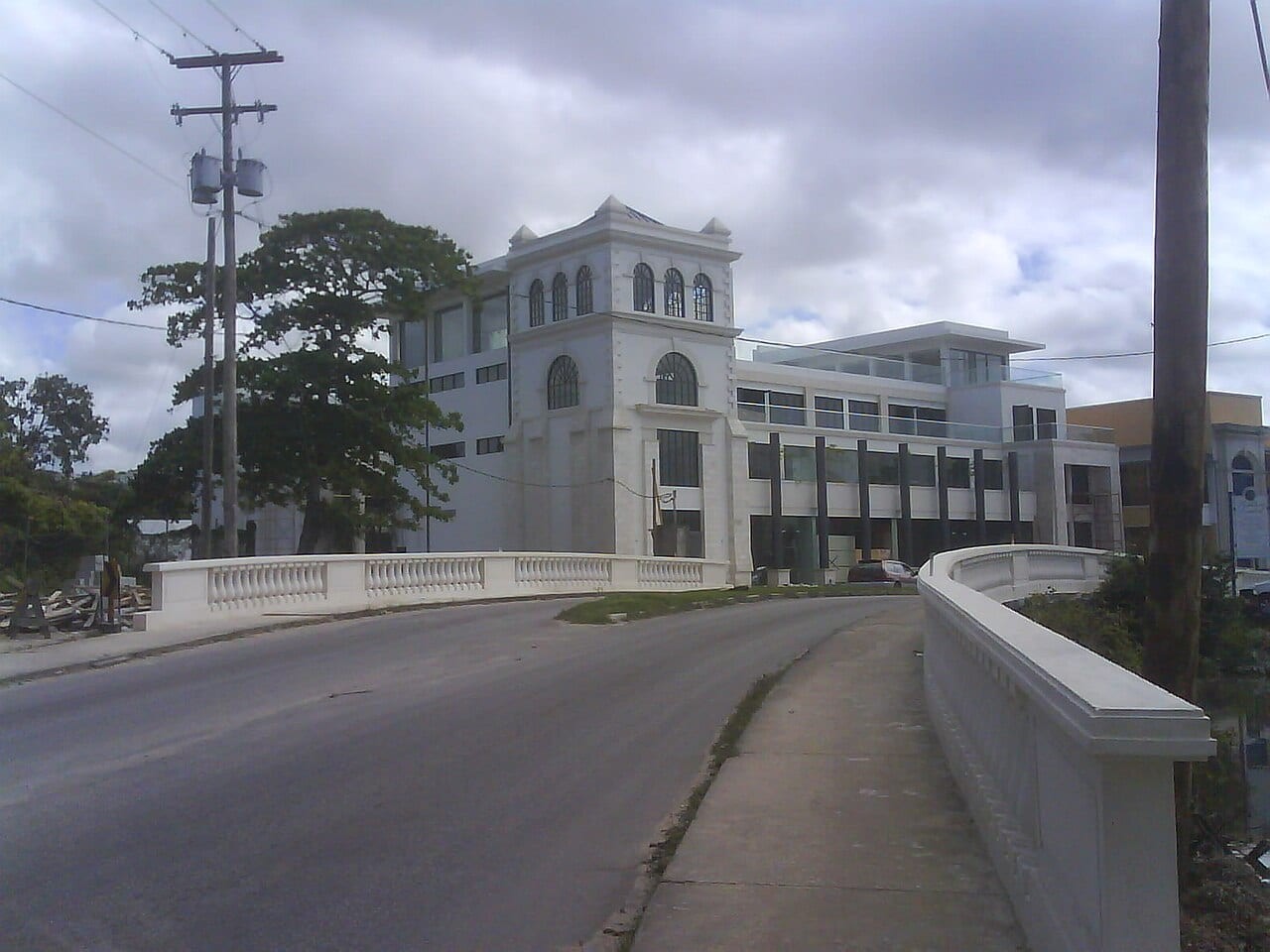
Bridgetown, the UNESCO-listed capital in the Parish of Saint Michael, anchors the south-west corner of Barbados and is the island's commercial and cultural heart. In 2026 the capital is being reshaped by the US$200 million Pierhead waterfront regeneration on Carlisle Bay, which will deliver 178 residences and 35 commercial spaces, drawing investor attention to a market historically overshadowed by the West Coast. Average condo and apartment pricing in and around the capital runs roughly US$450-900 per sq ft, with entry waterfront units from about US$350,000. Gross rental yields here sit in the 5-7% range, stronger than the buy-to-hold villa coast because of year-round corporate, professional and short-stay demand near the Garrison and harbour. National prices rose about 6.8% year-on-year, and the Central Bank forecasts 2.5-3.0% GDP growth for 2026. Foreign buyers face no ownership restrictions but must register inbound funds with the Central Bank's Exchange Control Authority; sellers pay the 2.5% property transfer tax plus 1% stamp duty, and non-residents owe no capital gains tax. Many international purchasers hold through an offshore company so transfer tax and stamp duty are avoided on resale, a structure widely used across the island.
Christ Church City Guide
Barbados
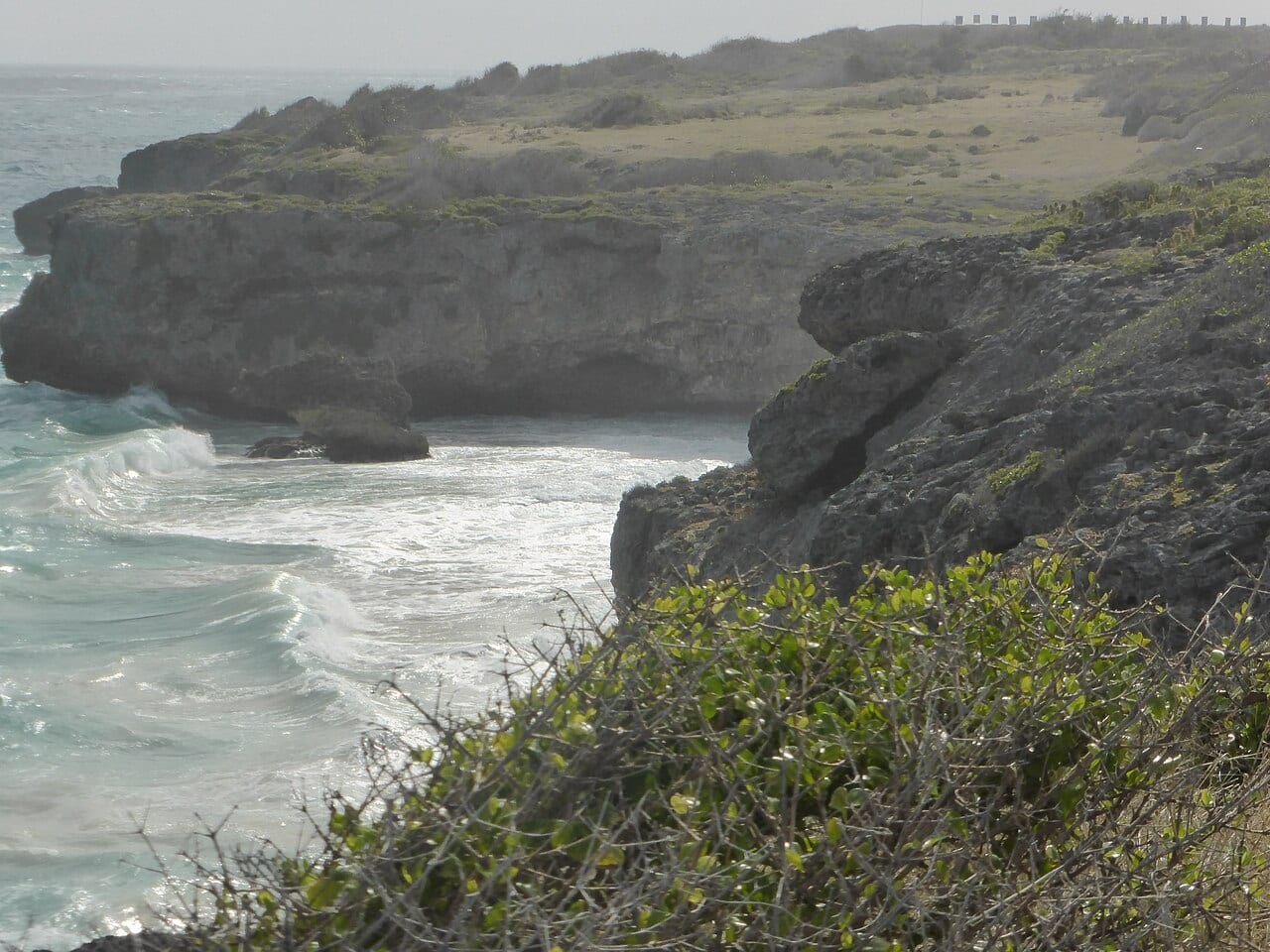
Christ Church is Barbados's south-coast parish and the island's busiest tourism and rental engine, stretching from the Bridgetown fringe past St Lawrence Gap and Oistins to the airport. It is the most active mid-market property zone, prized for affordability, lively beaches, nightlife and proximity to Grantley Adams International Airport. Pricing is far more accessible than the West Coast: condos and apartments run roughly US$250-600 per sq ft, with entry units from around US$150,000-350,000 and beachfront condos commanding more. Gross rental yields are healthy at 5-7%, supported by year-round tourism and 85% peak-season occupancy. Christ Church tracks the national pace of about 6.8% annual growth, with strong transaction volume after the island's roughly 75% jump in sales since 2023. Foreign buyers face no ownership restrictions but must register funds with the Central Bank's Exchange Control Authority; sellers pay the 2.5% transfer tax and 1% stamp duty, non-residents owe no capital gains tax, and offshore-company ownership is commonly used to avoid those taxes on resale. For income-focused investors, Christ Church offers the island's best yield-to-entry balance.
Holetown City Guide
Barbados
Holetown, in the Parish of Saint James, is the polished centre of Barbados's West Coast, the so-called Platinum Coast, and the island's premier luxury property market. The first English settlement on the island (1627), it now blends calm beaches, the Limegrove luxury mall and the island's most exclusive villa estates. Prime West Coast values run from roughly US$700 to over US$1,200 per sq ft, with premium villas averaging around US$2.85 million; estates like Sandy Lane and Royal Westmoreland reach far higher. Saint James and the West Coast are posting double-digit growth, around 10% year-on-year, ahead of the national 6.8%. Gross yields are strong for high-end vacation rentals at 7-10%, with peak-season Airbnb occupancy near 85%. Foreign buyers dominate the luxury segment (about 70% of transactions) and face no ownership restrictions, though inbound funds must be registered with the Central Bank's Exchange Control Authority. Sellers pay the 2.5% transfer tax and 1% stamp duty, non-residents owe no capital gains tax, and many buy through an offshore company so those taxes are avoided on future resale, the standard structure for the high-value villa market.