City guides
City guides (402)
Mexico City
Mexico
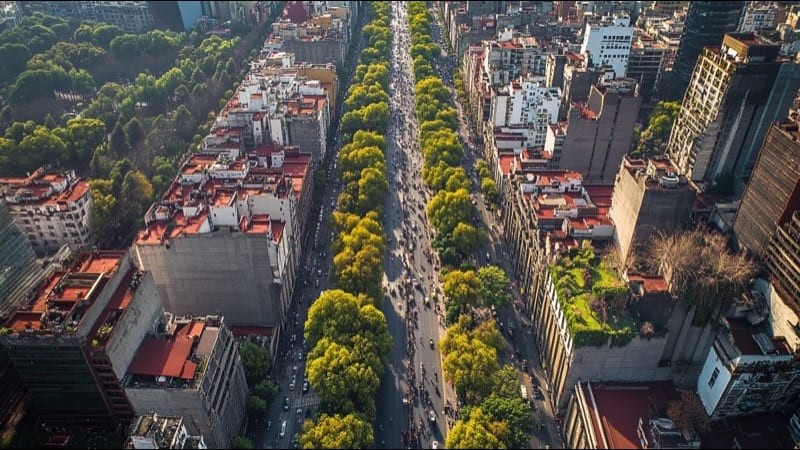
Mexico City (CDMX) is Latin America's largest city by metropolitan population (~22 million), one of the world's great urban cultural capitals, and a magnet for North American remote workers since 2020. The city's distinctive central districts -- Roma Norte, Condesa, Polanco, Coyoacan -- have become some of the world's most demanded short-let and digital-nomad destinations, driving meaningful gentrification and rental price growth. Residential prices in prime districts range from MXN 60,000-180,000 per square metre (USD 3,000-9,000), with gross yields of 5.0-8.0% in long-let and 8-15% in well-located short-lets. Foreign buyers can purchase freehold anywhere outside the 'restricted zone' (within 50 km of coast / 100 km of land border) -- which doesn't affect Mexico City. CDMX is one of the simplest Latin American markets for foreign buyers. For international buyers, CDMX offers strong USD/EUR purchasing power, world-class culture and dining, deep liquidity in central districts, and exceptional short-let demand from US remote workers. The catch: altitude (2,240m, real factor for some buyers), seismic risk, complex traffic, and water security concerns in southern districts.
Monterrey City Guide
Mexico
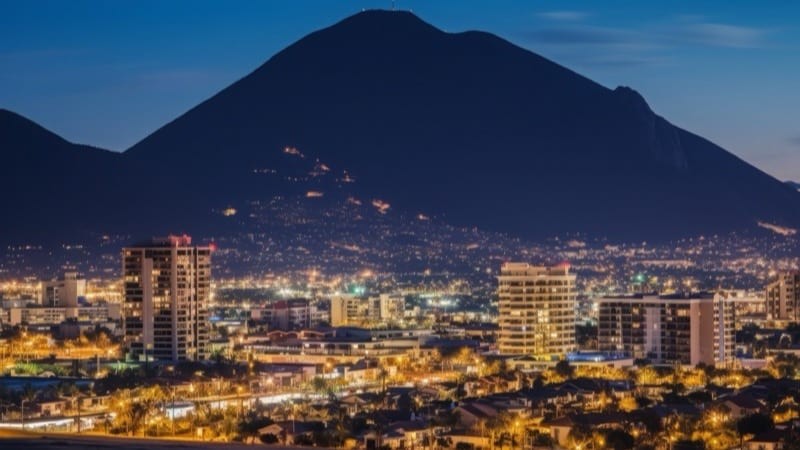
Monterrey, capital of Nuevo León and Mexico's industrial and financial powerhouse, is the country's clearest nearshoring winner, the metro where multinational manufacturers setting up in the north house their executives and engineers. That workforce-housing demand drove housing prices up about 9% in 2025, outpacing most Mexican metros, with the affluent municipality of San Pedro Garza García commanding the highest prices in the country: premium towers in Valle and Valle Oriente reach MXN 110,000-180,000/m². Growth is sharpest in the corporate-adjacent belts, Valle Oriente at roughly 14-16% a year, Cumbres at 12-14%, while citywide gross rental yields sit near 6.1% (typically 5.6-6.8%). The tenant base skews to young professionals at multinationals and relocating expatriate families, making well-located apartments near corporate hubs the core thesis. As an inland metro, Monterrey requires no fideicomiso for foreign buyers. Risks include premium San Pedro pricing that increasingly behaves as a capital play rather than an income play, sensitivity to the US industrial cycle, and water-security concerns that have periodically strained the metro.
Mérida City Guide
Mexico
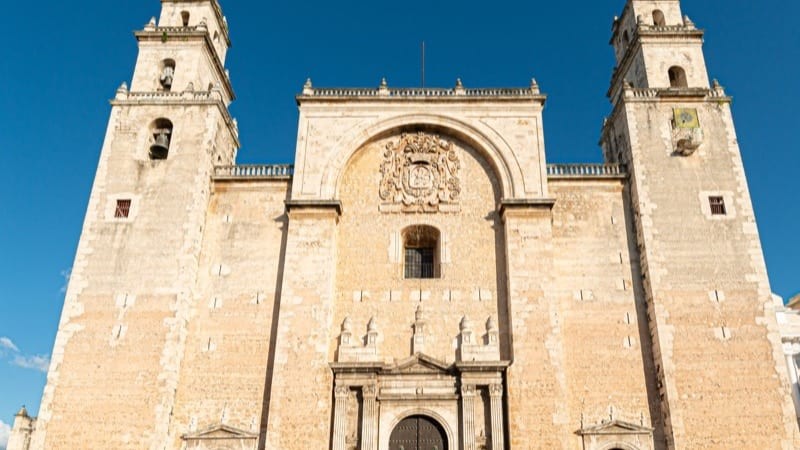
Capital of Yucatán and the cultural and financial heart of the Yucatán Peninsula, Mérida has become Mexico's standout inland boom market - recently confirmed as the country's tenth-largest metropolitan area at around 1.5 million residents. Renowned for its colonial architecture, safety, and quality of life, the city has drawn a growing expatriate community of roughly 10,000 Americans and Canadians, with US buyers leading foreign demand. Investment focus spans the walkable, character-rich Centro Histórico and surrounding barrios such as Itzimná and García Ginerés, alongside the amenity-rich northern developments of Altabrisa, Montebello, Cabo Norte, and Vía Montejo in the Zona Norte. The median price sits near US$3,412 per square metre, with houses averaging about US$250,000 and apartments around US$150,000 - typically 30-60% less than comparable US cities. Prices have grown roughly 25% over three years (about 6% in the past year nominally), driven by structural urbanisation rather than speculation. Rental returns are among Mexico's strongest: prime long-term yields run 7-8% gross, with renovated Centro short-term rentals capable of reaching higher seasonally.
Oaxaca
Mexico
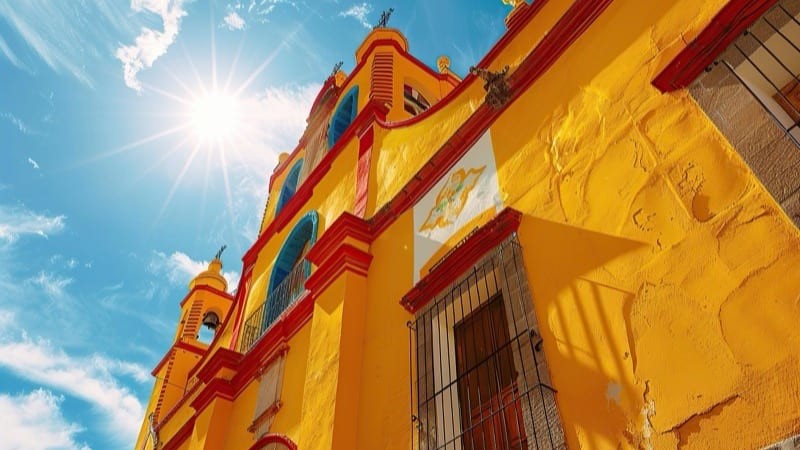
Oaxaca de Juarez, the UNESCO-listed colonial capital of southern Mexico, has become one of the country's most magnetic inland investment stories. Its Centro Historico, gastronomy scene, and 20,000-strong expat and digital-nomad community have pushed values up 8-12% annually through 2025-2026, well above the national 6% average. Colonial homes in the Centro range from roughly USD 150,000 to USD 800,000, while restored or modern properties in Reforma and Xochimilco sit between USD 80,000 and USD 400,000. Average residential pricing works out near MXN 30,000-34,000 per m2 (about USD 1,650/m2) in the core. Gross rental yields run 6-9%, with furnished short-term lets in the Centro commanding USD 900-1,600 per month and calmer Reforma units USD 700-1,200. Because Oaxaca is fully inland and over 50 km from any coast, it lies OUTSIDE Mexico's constitutional restricted zone: foreigners can buy and hold property in direct fee-simple (escritura) title with no fideicomiso bank trust required, a meaningful saving over coastal markets. Closing costs run 5-8%, and acquisition tax (ISAI) is roughly 2-4%. With limited new supply in the protected historic core, mezcal tourism, and steady domestic in-migration, Oaxaca offers heritage scarcity plus solid cash flow.

Playa del Carmen City Guide
Mexico
The fast-growing heart of Mexico's Riviera Maya, Playa del Carmen has expanded from a fishing village of 50,000 in 2000 to nearly 300,000 residents across the Solidaridad municipality by 2025. Powered by Caribbean tourism, the new Tulum airport, the Maya Train, and a tide of US and Canadian buyers who account for over 70% of sales, the city has become one of Latin America's most active foreign-buyer markets. Investment concentrates on the walkable central corridor around Fifth Avenue (Centro and Zazil-Ha), the gated golf communities of Playacar and Corasol, the eco-luxury enclave of Mayakoba, the cash-flow beachfront of Coco Beach, and emerging value plays in Colosio and Colonia Ejidal. Average prices sit near US$3,830 per square metre, with beachfront stock at US$4,500-6,000 and inland units at US$1,500-2,500. Values rose 8-15% in high-demand areas and have climbed roughly 55% since 2020. Returns are tourism-led: well-positioned short-term rentals can reach gross yields of 8-13% (with seasonality and management costs to consider), while long-term lets deliver a steadier 4-6%.
Puebla
Mexico
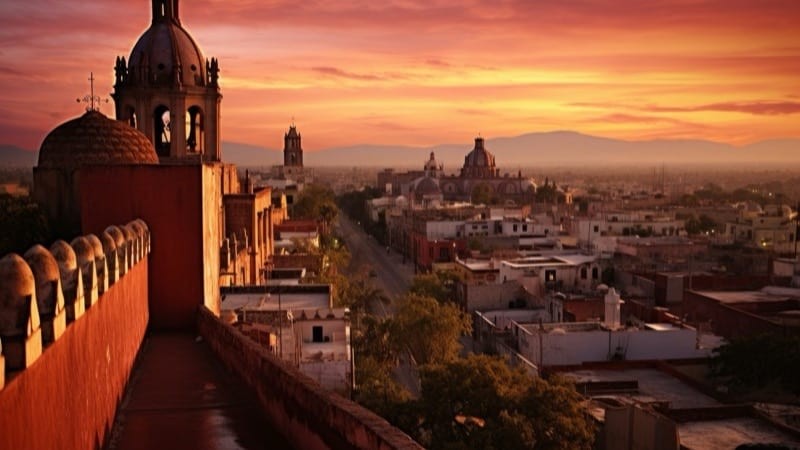
Puebla de Zaragoza, two hours southeast of Mexico City, pairs a UNESCO colonial center with a modern manufacturing and nearshoring economy, producing one of inland Mexico's most balanced investment markets. Prices have outpaced the national average, with roughly 11.8% growth in 2024 and continued 4-7% annual gains forecast through 2030. Apartments average MXN 28,500-28,800 per m2 and houses MXN 18,900-19,400 per m2, with premium San Andres Cholula and Angelopolis pushing above MXN 31,000/m2. Among Mexican submarkets Puebla posts one of the highest gross rental yields at about 6.6%, supported by a vast student population, Volkswagen and Audi supply-chain employment, and Mexico City spillover demand. Average rents run MXN 105-140 per m2 per month (~USD 6-7/m2). As a fully inland city well outside the 50km restricted zone, Puebla allows foreigners to buy in direct fee-simple title with no fideicomiso bank trust, lowering acquisition cost versus coastal markets. Closing costs run 5-8% and acquisition tax (ISAI) about 2-4%. With strong household formation, infrastructure investment, and a stable-to-positive 12-month demand outlook, Puebla offers heritage character, real industrial fundamentals, and dependable cash flow.
Puerto Escondido
Mexico
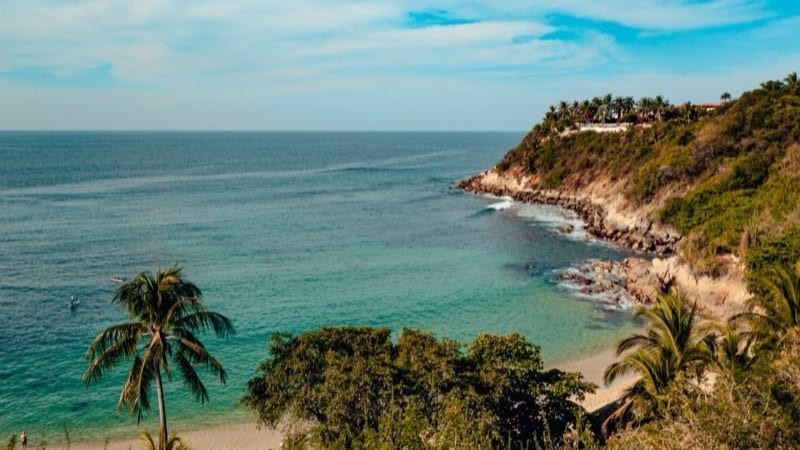
Puerto Escondido is Oaxaca's Pacific surf capital and one of Mexico's fastest-appreciating coastal markets, transformed by the Barranca Larga-Ventanilla superhighway (cutting the drive from Oaxaca City to about 2.5 hours) and an expanding international airport with new US and Canadian routes. Once a backpacker surf town, it now draws digital nomads, boutique hotels, and a wave of American and Canadian buyers. Core neighborhoods like Zicatela and La Punta saw property values jump 18-22% in 2024-2025 before moderating to a still-strong 8-12% across 2025. Beachfront homes now command USD 400,000-1,200,000, while properties two to three blocks inland run USD 200,000-450,000. Vacation-rental performance is exceptional: 75% average annual occupancy (95% in the December-March peak) drives gross yields of 8-12% for well-managed, design-forward properties. As a coastal Restricted-Zone location, foreign buyers acquire title through a fideicomiso (50-year renewable bank trust, ~USD 1,500-2,000 setup plus annual fees) or a Mexican corporation for multiple or commercial properties. Tourism arrivals grew about 35% in 2024, and the market, while cooling from explosive highs, remains one of the country's strongest growth stories.
Puerto Vallarta City Guide
Mexico
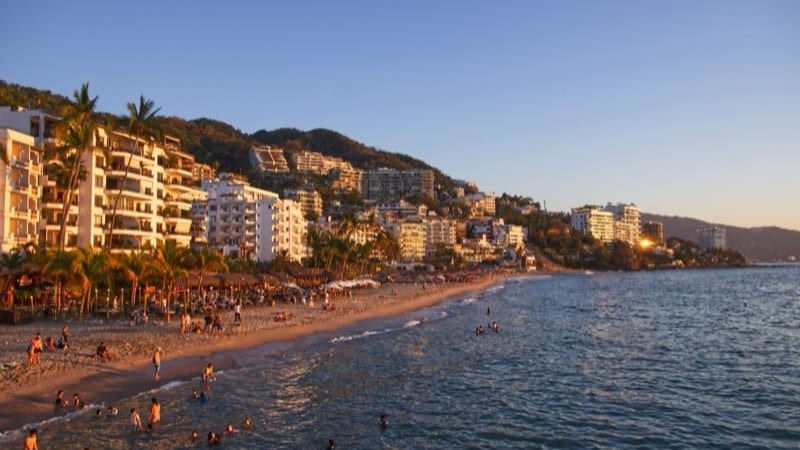
Set on Banderas Bay along Mexico's Pacific coast, Puerto Vallarta blends a historic cobblestone old town with a mature, internationally oriented resort property market. Decades of North American tourism and retirement migration have built deep, dollar-denominated demand, and the city is consistently ranked among the most welcoming destinations for foreign buyers and the LGBTQ+ community. Investment focus spans the high-yield, walkable Zona Romántica, the rental-and-appreciation play of Versalles, upscale Marina Vallarta, family-and-retiree Fluvial Vallarta, and the luxury villa hillsides of Conchas Chinas and Amapas. Average prices reached about US$3,800 per square metre as of late 2025, with a median condo near US$399,900, beachfront 60-square-metre units at US$350,000-375,000, single-family homes around US$625,000, and luxury villas from US$1.2 million. Luxury beachfront values surged 22.8% over the past year, though rising inventory has shifted the market from seller-favoured toward more balanced conditions. Short-term rentals in prime tourist zones generate 6-10% gross yields, while long-term lets deliver a more modest 2-3% net - a profile that rewards active, well-located resort investment.
Querétaro City Guide
Mexico
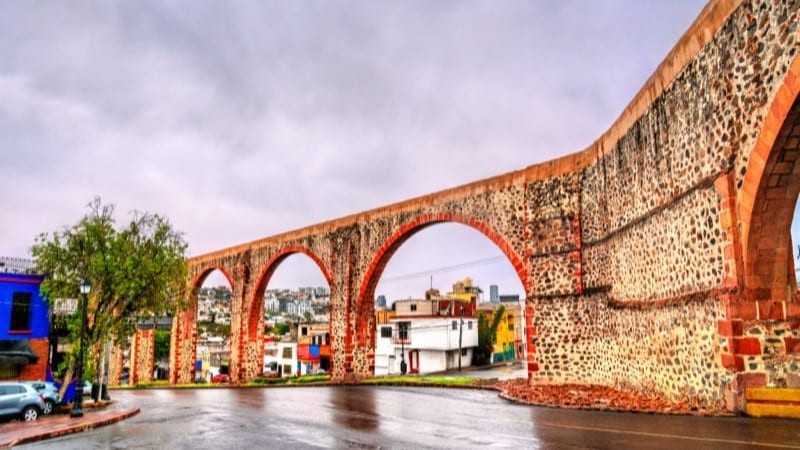
Querétaro, capital of the namesake Bajío state, has become one of Mexico's fastest-growing relocation and investment markets, a UNESCO World Heritage colonial core wrapped in a modern aerospace, automotive and tech-services economy. Steady in-migration of professionals chasing manufacturing and nearshoring jobs has pushed citywide asking prices to roughly MXN 30,500/m² (~USD 1,520), with apartments averaging about MXN 26,800/m² and houses MXN 22,000/m², both growing around 6.5% a year. The investment case is among the strongest in the country on a yield basis: Querétaro posts the highest gross apartment yields of any major Mexican metro at roughly 8% citywide (net 4.5-5.5% after costs), with 6-8% annual appreciation as demand consistently outpaces supply. Premium northern zones such as Juriquilla and Jurica command roughly double the entry-level colonias, while master-planned districts like Zibatá and the high-density Milenio III corridor draw younger professional tenants. Querétaro sits well inland, outside the restricted coastal/border zone, so foreign buyers face no fideicomiso requirement. Key risks are peso volatility, water-supply constraints on the urban fringe, and the pace of new supply in the master-planned belts.
San Miguel de Allende City Guide
Mexico
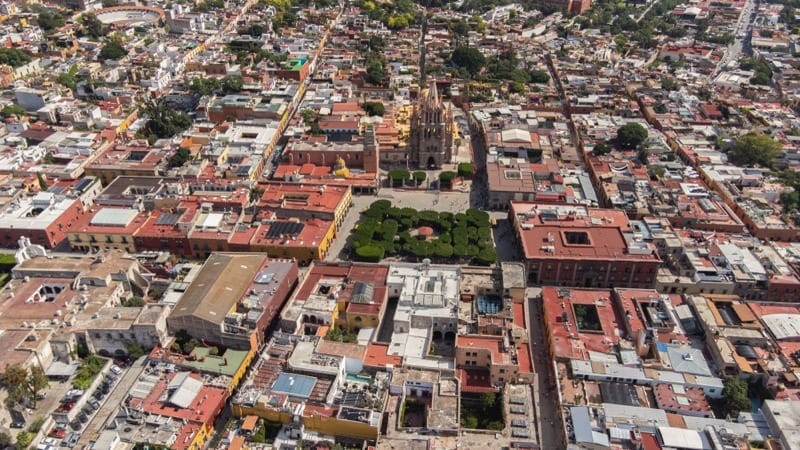
San Miguel de Allende, a UNESCO World Heritage colonial town in Guanajuato's Bajío highlands, is Mexico's premier expat and lifestyle-investment market, repeatedly ranked among the world's best small cities and home to a deep, established American and Canadian community. The market is foreign-demand led: retirees, semi-retired professionals, artists and remote workers prize the walkable Centro Histórico, the cultural calendar and the English-speaking network, sustaining 3-7% annual price growth. The citywide average runs around MXN 40,000/m², with mid-range homes at MXN 30,000-42,000/m² (typically USD 300,000-600,000) and luxury product starting near MXN 48,000/m² and exceeding MXN 55,000/m² for the most exclusive offerings. Rental yields are lifestyle-modest, roughly 4-6%, with long-term lets toward 4-5% and peak-season vacation rentals reaching 6-8%. Because San Miguel sits inland, well outside the restricted zone, foreign buyers can purchase directly without a fideicomiso, though most still pay cash given foreigner mortgage rates of 10.5-13.5%. The investment case is durable scarcity and global brand recognition; the trade-offs are thin yields, a heavily dollarised price base and tightening short-term-rental scrutiny.
Sayulita
Mexico
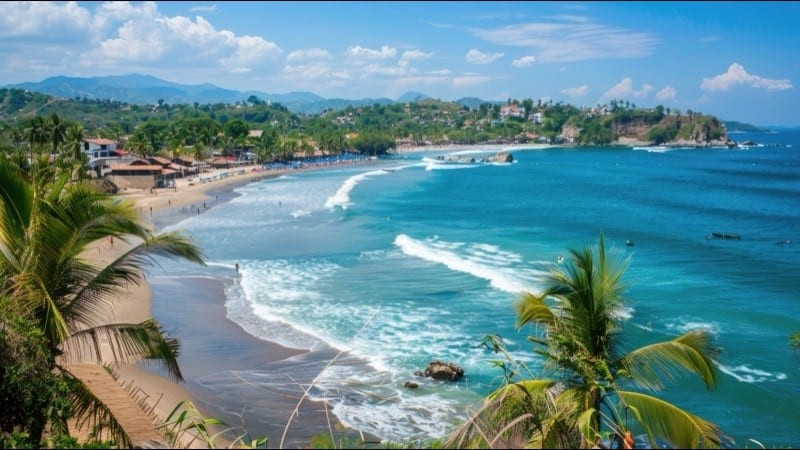
Sayulita is the bohemian surf town anchoring Riviera Nayarit, an hour north of Puerto Vallarta and now one of Mexico's most sought-after coastal investment markets. Designated a Pueblo Magico, this cobblestone village trades on colorful streets, a consistent beginner-friendly point break, and a year-round influx of digital nomads, yoga retreats, and North American second-home buyers. Median listing prices sit near USD 500,000 in 2026, with finished homes and condos averaging roughly USD 3,200-4,500 per m2 in the town core and beachfront commanding well above that. Price growth has run an estimated 8-11% year over year, cooling from the post-2021 surge but still outpacing inland Mexico. Gross short-term rental yields are strong at 7-10% for well-managed properties, driven by 70%+ annual occupancy and premium nightly rates in high season (November-April). Because Sayulita lies inside the federal Restricted Zone (within 50 km of the coast), foreign buyers cannot hold direct title; they purchase through a fideicomiso, a 50-year renewable bank trust costing roughly USD 1,500-2,000 to establish plus USD 500-1,000 annually, granting full rights to sell, lease, renovate, and bequeath. Inventory is tight and lot-constrained, which underpins durable scarcity value.
Todos Santos
Mexico
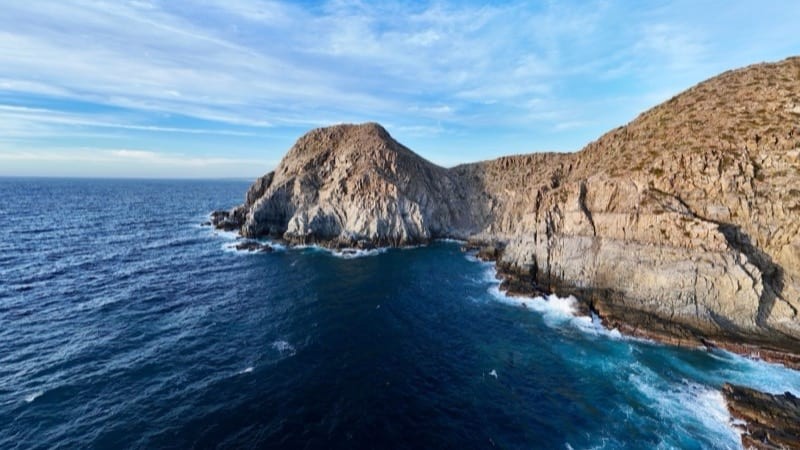
Todos Santos is a Pueblo Magico on Baja California Sur's Pacific coast, an hour north of Los Cabos, prized for its art-colony character, historic adobe center, and dramatic surf beaches. Long an artists' and surfers' haven, it has become Baja Sur's most watched value market as the Todos Santos-Pescadero-Cerritos corridor draws permits, infrastructure, and foreign buyers spilling out of pricier Cabo. In 2026 the historic center averages roughly USD 2,188 per m2, while neighboring Pescadero runs higher at about USD 3,340 per m2 on stronger beachfront demand. Listing prices span widely from USD 100,000 lots to USD 1M-plus oceanfront estates. With US and Canadian rate cuts expected to revive sidelined buyers, analysts call late-2025 through mid-2026 one of the most opportunistic windows in five years, with appreciation in the 6-9% range. Gross vacation-rental yields run 6-9%. As a coastal Restricted-Zone location, foreign buyers purchase via a fideicomiso (50-year renewable bank trust, ~USD 1,500-2,000 setup plus annual fees) or, for some uses, a Mexican corporation. Newly released ejido parcels are expanding developable supply along the corridor.
Tulum City Guide
Mexico
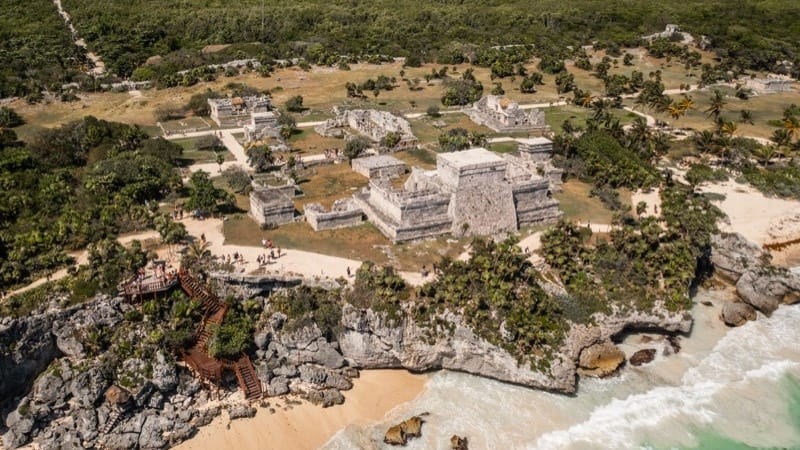
Tulum is an eco-luxury beach town on Mexico's Caribbean coast in Quintana Roo, at the southern end of the Riviera Maya. Once a backpacker outpost beside its Maya cliff-top ruins, it has become a design-driven destination of white-sand beaches, jungle cenotes and boho-chic hotels, with condos and apartments now roughly 70% of residential listings. Foreign buyers, mostly from the US and Canada, account for an estimated 60% of purchases. Two catalysts anchor interest: the new Tulum International Airport (TQO), opened in December 2023 with capacity for around 5.5 million annual passengers, and the Maya Train (Tren Maya) linking Tulum to Cancun, Playa del Carmen and the wider Yucatan. Ownership context matters: Tulum lies inside Mexico's constitutional 'restricted zone' (within 50 km of the coast), so foreigners cannot hold direct title - they buy residential property through a bank trust (fideicomiso), under which a Mexican bank holds title while the buyer keeps full rights to use, rent, sell or improve (typically around USD 500-1,000 per year), or via a Mexican corporation for multiple or commercial units.
Valle de Bravo
Mexico
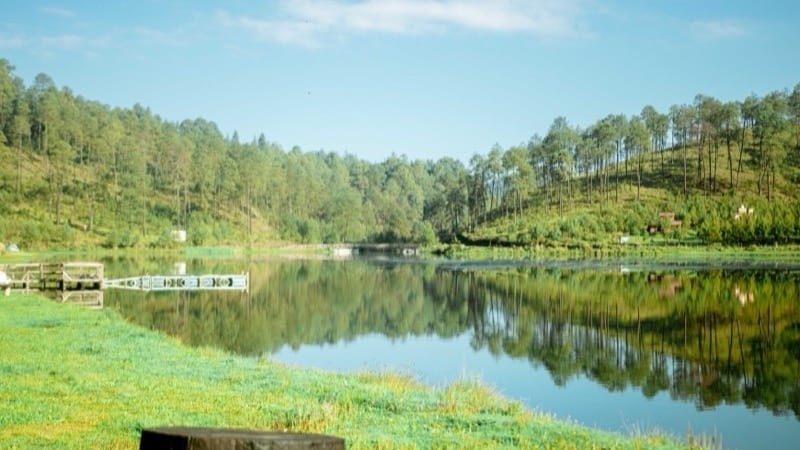
Valle de Bravo is a lakeside Pueblo Magico roughly two hours west of Mexico City, long the weekend playground of the capital's wealthiest families and now a maturing luxury investment market. Set around an artificial lake ringed by pine forest, it is famed for sailing, paragliding off Monarch-butterfly ridges, and cobblestone colonial streets. Unlike the coastal markets, Valle de Bravo lies inland and is NOT in the federal Restricted Zone, so foreign buyers may hold direct fee-simple title without a fideicomiso, a notable advantage. Pricing is firmly luxury-tilted: average house values run from roughly MXN 11.5M (about USD 575,000) in Santa Maria Ahuacatlan to MXN 12.8M in Avandaro and MXN 27.9M (about USD 1.4M) in premium La Pena, with per-m2 figures spanning USD 1,500-3,500 depending on lake proximity and finish. Demand is driven by domestic high-net-worth weekenders rather than international tourism, so values are relatively recession-resilient but rental turnover is lower; gross yields run a modest 4-6%, with appreciation around 6-8%. The market rewards land, lake views, and gated-community product over high-frequency vacation rentals.

Bar
Montenegro
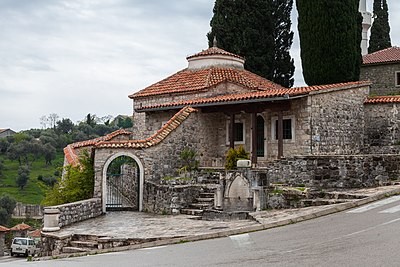
Bar is Montenegro's principal port city and the 'Value Champion' of the Adriatic coast, offering the most balanced price-per-square-metre for property buyers in 2026. As the country's main maritime gateway with year-round ferry connections to Italy, Bar combines urban infrastructure, wide boulevards, schools, and a functional year-round economy that distinguishes it from purely seasonal tourist towns. Property prices range from EUR 1,100 to EUR 2,500 per square metre, making Bar significantly more affordable than Budva, Tivat, or Herceg Novi. The Bar-Boljare Highway has transformed the real estate landscape, making once-remote locations accessible and driving interest in buildable plots with sea views. The Dobra Voda coastal suburb offers particularly strong rental yields from a booming tourism market. Foreign investment in Montenegrin real estate reached EUR 308.86 million in the first eight months of 2025, up 8.4% year-on-year. Old Bar — the medieval ruined city perched in the hills above modern Bar — adds a unique cultural and heritage tourism dimension. The combination of working port economy, Italian ferry connectivity, the most affordable coastal property in Montenegro, and a growing digital nomad community makes Bar the preferred choice for investors seeking permanent residency or year-round rental income rather than purely seasonal returns.
Budva
Montenegro
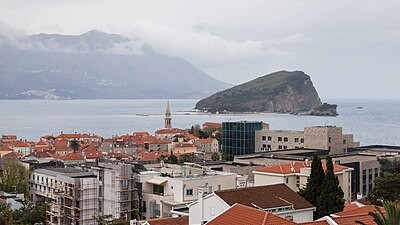
Budva is the jewel of the Montenegrin Riviera and the country's premier tourism destination, drawing over 1.2 million visitors annually to its stunning Adriatic coastline. The city blends a beautifully preserved medieval Old Town — a walled peninsula dating to the 5th century BC — with modern beach resorts, vibrant nightlife, and a booming real estate market that has earned it the nickname 'the Montenegrin Miami.' Property prices in Budva center average EUR 2,500-3,500 per square meter, with luxury developments commanding EUR 3,500-6,000 per sqm. The market has seen 5-7% annual price appreciation, driven by strong tourism demand and limited coastal supply. Short-term rental yields can reach 6-8% for well-managed properties, with occupancy frequently exceeding 220 nights annually. Budva has nearly exhausted land suitable for first- and second-line coastal construction, creating natural supply constraints that support continued price growth. Montenegro's EU accession — targeted for 2028 — is expected to catalyze further property appreciation, with historical precedents from Croatia and other accession countries showing 20-40% price increases in surrounding years. The city's combination of Mediterranean lifestyle, affordable entry points relative to Western European riviera destinations, and euro-denominated pricing makes it an increasingly attractive proposition for international investors.
Cetinje
Montenegro
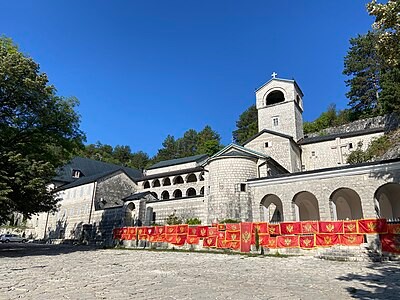
Cetinje is Montenegro's Old Royal Capital, a city of embassies, palaces, and museums nestled in a mountain valley at the foot of Lovćen National Park. Once the seat of the Montenegrin kingdom, Cetinje retains a dignified elegance with Venetian and Austro-Hungarian architectural heritage, wide boulevards, and a cultural significance that far outweighs its modest size. The property market offers Montenegro's lowest urban entry prices, with residential properties available well below coastal rates. While the rental market lacks the seasonal tourism demand of Budva or Tivat, Cetinje appeals to a different investor profile: those seeking heritage renovation projects, long-term capital appreciation as Montenegro approaches EU membership, and a base for exploring the country's dramatic inland landscape. The city's museums, Cetinje Monastery, and proximity to Lovćen's summit make it a growing cultural tourism destination. Cetinje sits just 30 minutes from the coast via the serpentine road descending to Kotor, offering a cool mountain retreat with easy Adriatic access. The combination of royal heritage, national park gateway status, and Montenegro's lowest property prices creates an intriguing opportunity for patient investors willing to bet on cultural tourism growth and EU-accession-driven appreciation in a market that most foreign buyers overlook.
Herceg Novi
Montenegro
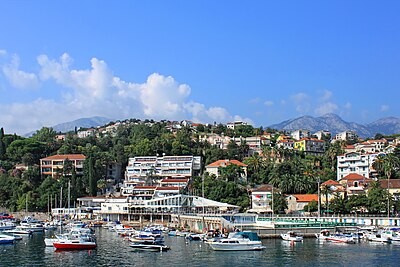
Herceg Novi sits at the entrance to the spectacular Boka Bay (Bay of Kotor), a fortress town draped in Mediterranean greenery and botanical gardens that has earned the nickname 'City of the Sun.' This charming coastal settlement offers the essence of the Boka Bay lifestyle at a significant discount to neighboring Tivat and Kotor, making it one of Montenegro's most compelling value propositions for property investors. As of 2025, median apartment prices stand at approximately EUR 3,080 per square metre, while houses average around EUR 2,474 — substantially below the EUR 4,000-6,000 range in Tivat and Kotor's prime zones. Luxury developments command EUR 5,000+ per square metre, with Porto Novi, a massive mixed-use luxury project, leading the premium segment. More premium developers are entering the market, signalling that Herceg Novi's gentrification cycle is accelerating faster than other Montenegrin coastal areas. Montenegro's EU accession — targeting membership by 2028 with all negotiation chapters expected to close by end of 2026 — is the single largest macro catalyst. EU accession would unlock institutional capital flows, harmonize property regulations, and drive significant price appreciation across the coast. For investors seeking Boka Bay exposure at below-market entry prices with strong gentrification momentum, Herceg Novi offers an asymmetric opportunity.

Kolasin
Montenegro
Kolasin is Montenegro's premier mountain resort town, nestled at 954 meters altitude in the Bjelasica mountain range in the country's northern highlands. Once a remote mountain settlement, Kolasin has been transformed by the opening of the Kolasin 1600 ski resort in 2019 and significant infrastructure investment including the Bar-Boljare Highway, which has dramatically reduced travel time from Podgorica and the coast. Property prices in Kolasin remain among the most affordable in Montenegro, ranging from EUR 1,200-2,200 per sqm for standard apartments — a fraction of coastal prices. Ski-adjacent properties offer gross rental yields of 6-8% during peak season, benefiting from dual seasonality: winter skiing at Kolasin 1450 and 1600 resorts (with 45 km of slopes expanding to 86 km), and summer eco-tourism centered on the Tara River canyon, Biogradska Gora National Park, and mountain hiking. The 2025/26 skipass at just EUR 25 per day makes it officially Europe's cheapest ski destination. The mountain real estate segment is experiencing accelerating interest from both domestic and international buyers, drawn by the combination of affordable entry prices, strong rental yields, improving connectivity, and Montenegro's broader EU accession trajectory. Luxury developments like Kolasin Valleys are introducing premium product at EUR 4,000-10,000 per sqm, creating an emerging two-tier market.
Podgorica
Montenegro
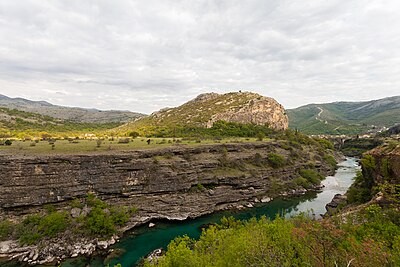
Podgorica, Montenegro's capital and largest city, is the country's political, administrative, and business center. Home to nearly 30% of the national population, it serves as the hub for government institutions, the University of Montenegro, and a growing commercial sector that is attracting increasing international attention as Montenegro progresses toward EU membership. The capital's property market offers the most accessible entry points in urban Montenegro, with apartment prices averaging EUR 1,700-2,250 per sqm — significantly below coastal hotspots. New construction developments command the higher end at EUR 2,000-2,250 per sqm, while outer neighborhoods like Zabjelo offer units from EUR 1,200 per sqm. Rental yields remain competitive at 5-7% annually, primarily driven by the long-term rental market serving government workers, university students, and a growing professional class. Podgorica has seen 18% price appreciation in the year to Q3 2025, reflecting growing investor confidence in the capital's fundamentals. The city benefits from improving infrastructure including the Bar-Boljare Highway, Podgorica Airport upgrades, and expanding commercial districts. As Montenegro advances toward EU accession, Podgorica stands to benefit as the administrative gateway, with government-linked demand and diplomatic presence supporting consistent rental absorption.