Tegucigalpa
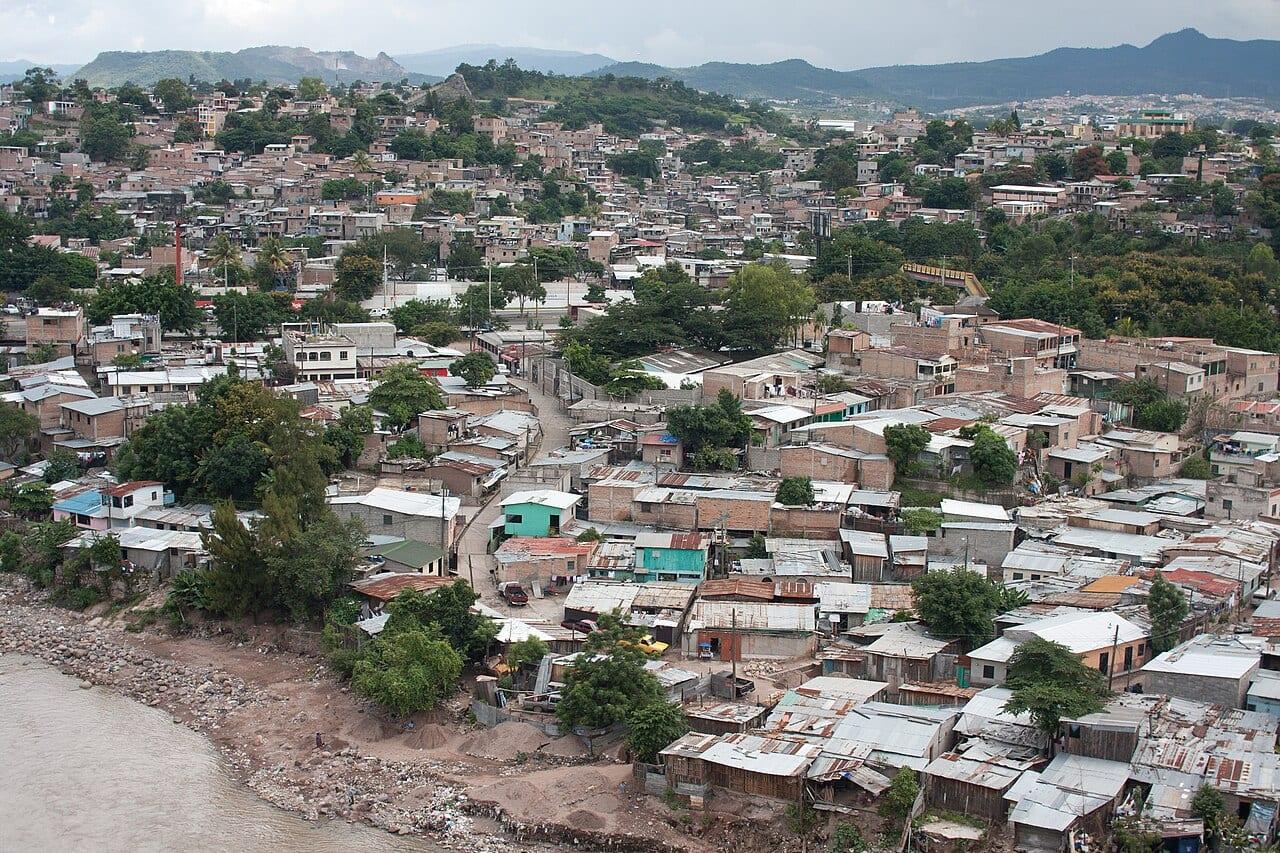
Tegucigalpa is Honduras's capital and largest metropolitan area, the seat of government, embassies, NGOs, and the country's administrative economy. Its 2026 population is estimated near 1,691,030, growing 2.47% annually. As the primary domestic job market, it is a yield-and-stability play rather than a dollar-priced resort market. Prime apartments command around US$2,500/m², with the highest prices in Lomas del Guijarro, Palmira, and El Hatillo (roughly L35,000-L55,000/m²), while budget peripheral areas start near HNL 9,000/m² (about US$340). The 2026 median housing price is about L5,800,000 (roughly US$220,000). Rental demand is anchored by government employees, NGO and embassy staff, and professionals: a 2-bedroom apartment averages about L31,250/month (around US$1,250). The highest gross yields are in Miraflores (6.5-8.5%) and Colonia Kennedy (7-10%), with Boulevard Los Próceres at 5.5-7.5% and Colonia Palmira at 5-7%. Lomas del Guijarro and Lomas del Mayab lead appreciation at 8-10% annually, though citywide nominal growth of about 5% nets near 0-1% after inflation. Honduras is not dollarized, so investors carry lempira exposure. Foreigners may own under Decree 90-90 (one urban property up to 3,000 m²) or through a Honduran corporation; the capital is inland and unrestricted, unlike coastal/border zones.
On INTRIC now — Residences on INTRIC are open to enquiry straight from this page.
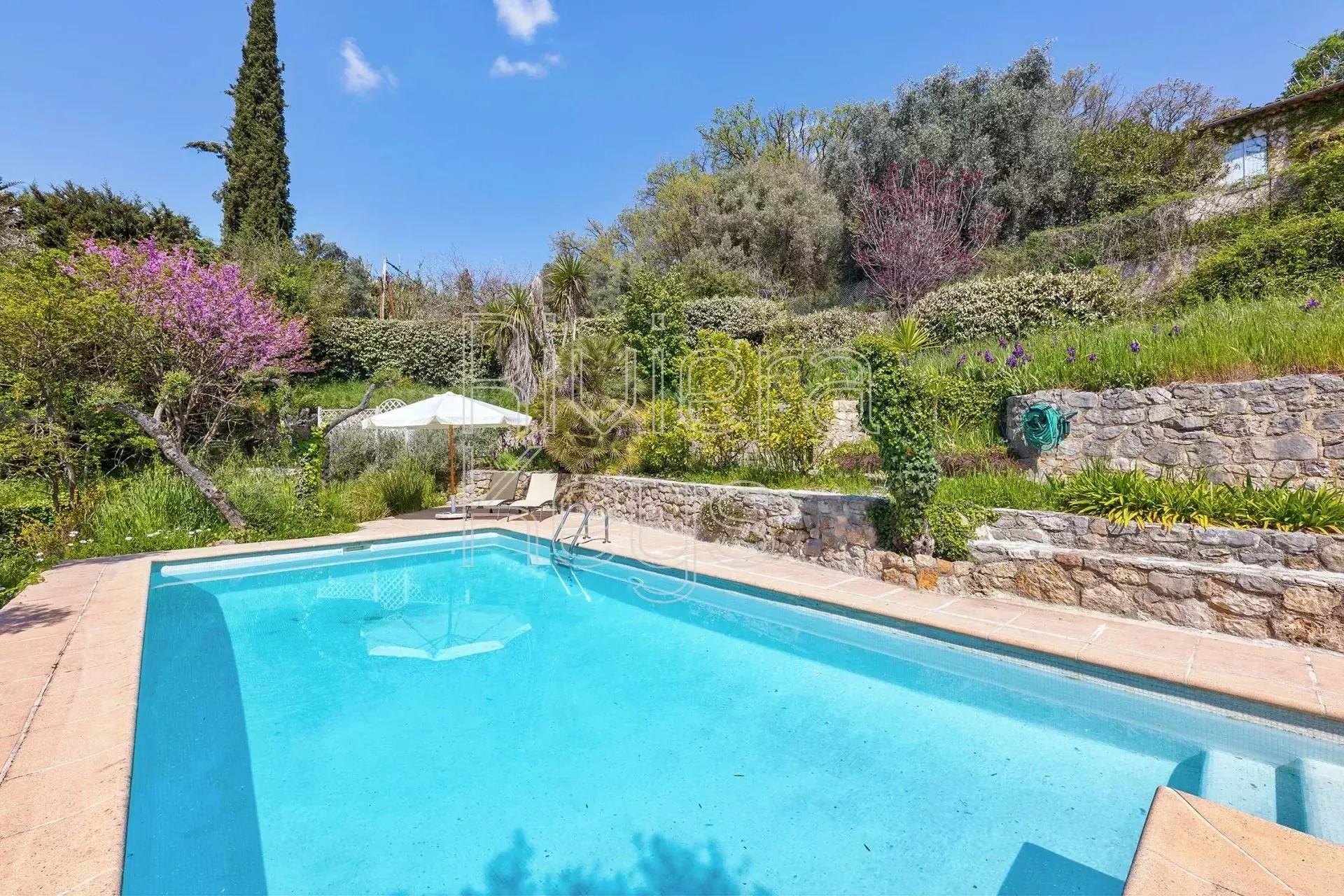
Montauroux Architect Villa
HOUSE · Montauroux, 83440, Var, Provence-Alpes-Cote d'Azur, France
EUR 950K – EUR 1.65M
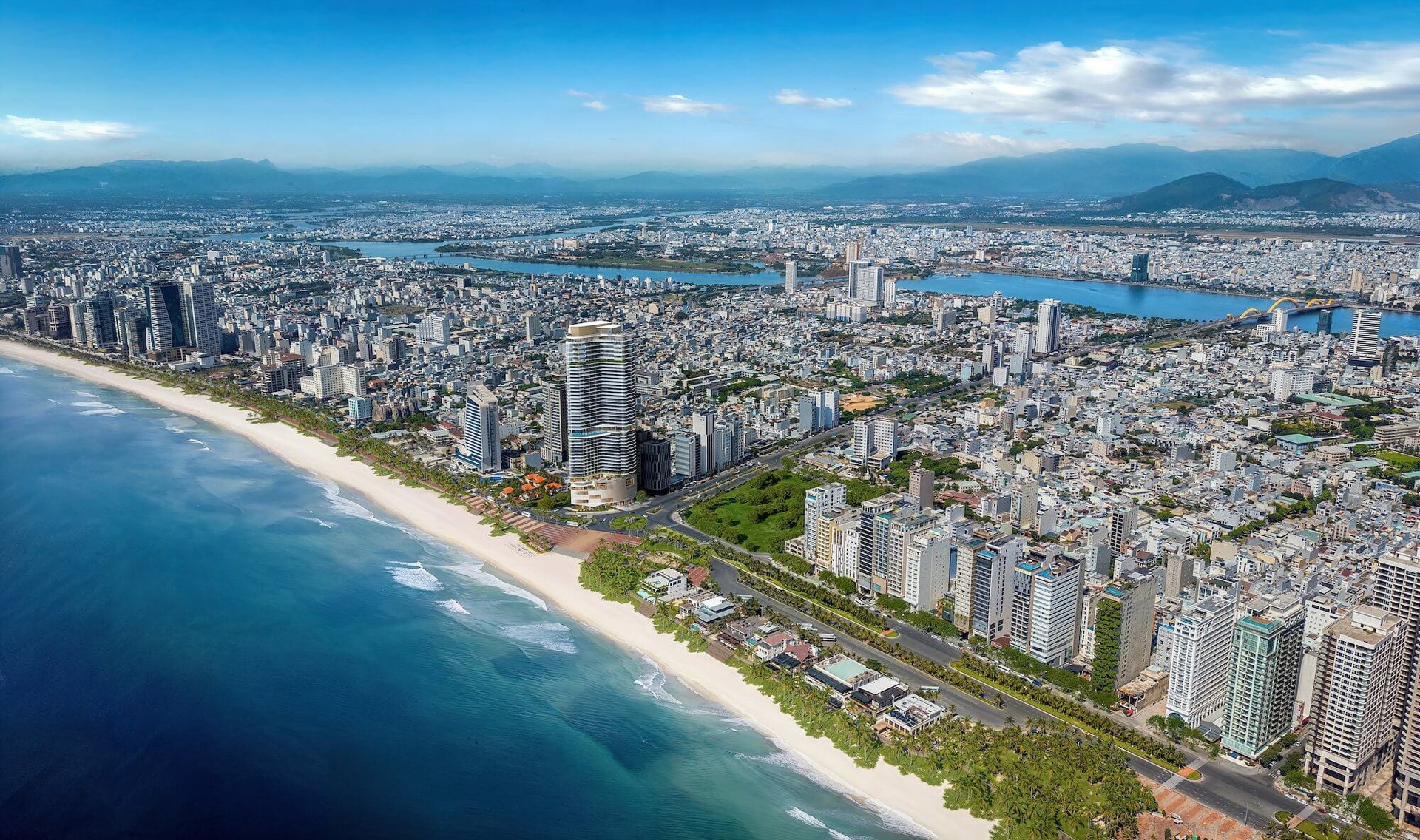
Nobu Residences
APARTMENT · POA - Son Tra, Danang, Vietnam
USD 180K – USD 2.70M
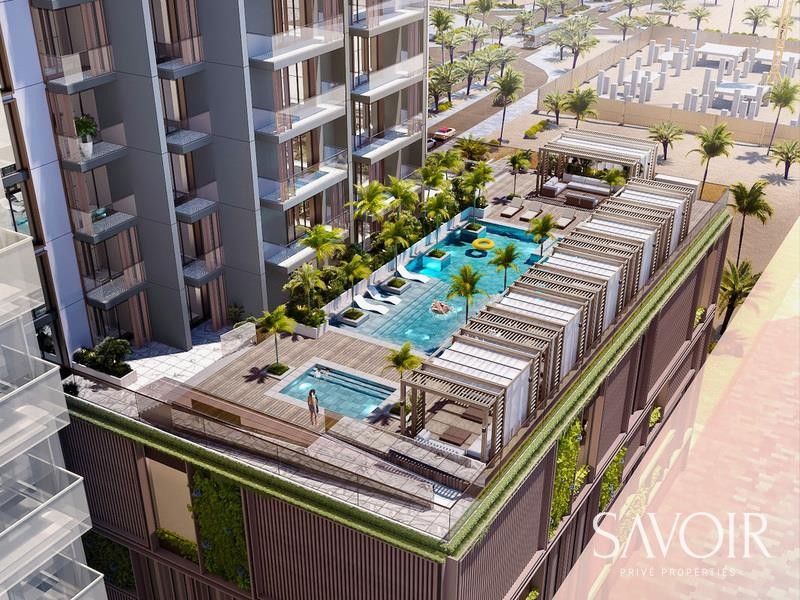
Q Gardens Lofts 2
APARTMENT · Q Gardens Lofts 2, District 12, Jumeirah Village Circle, Dubai, United Arab Emirates
From AED 597K
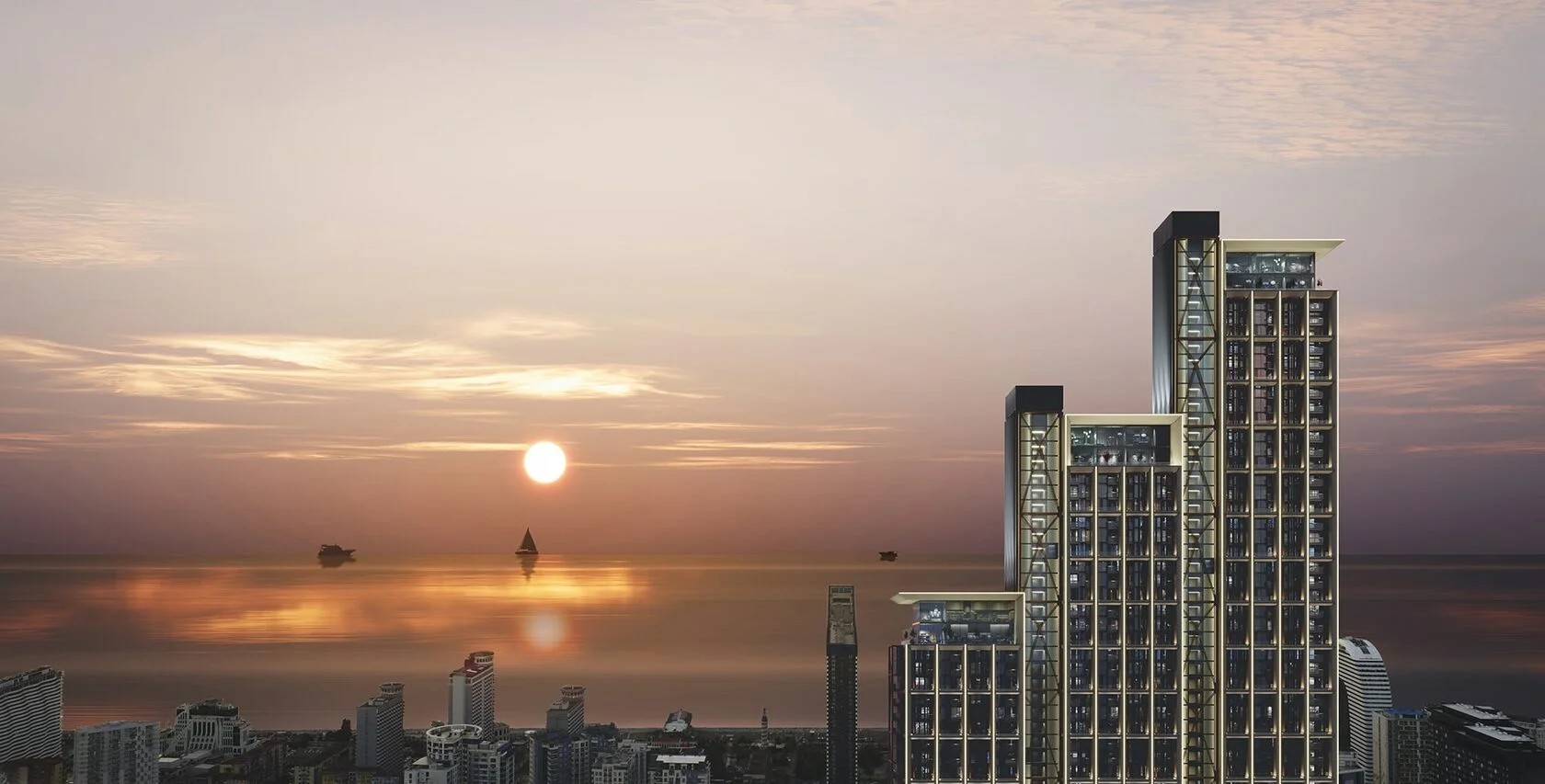
NEXT Address
Apartment · 11 Tbel Abuseridze Str, Batumi, 6010, Georgia
USD 50.9K – USD 191.2K
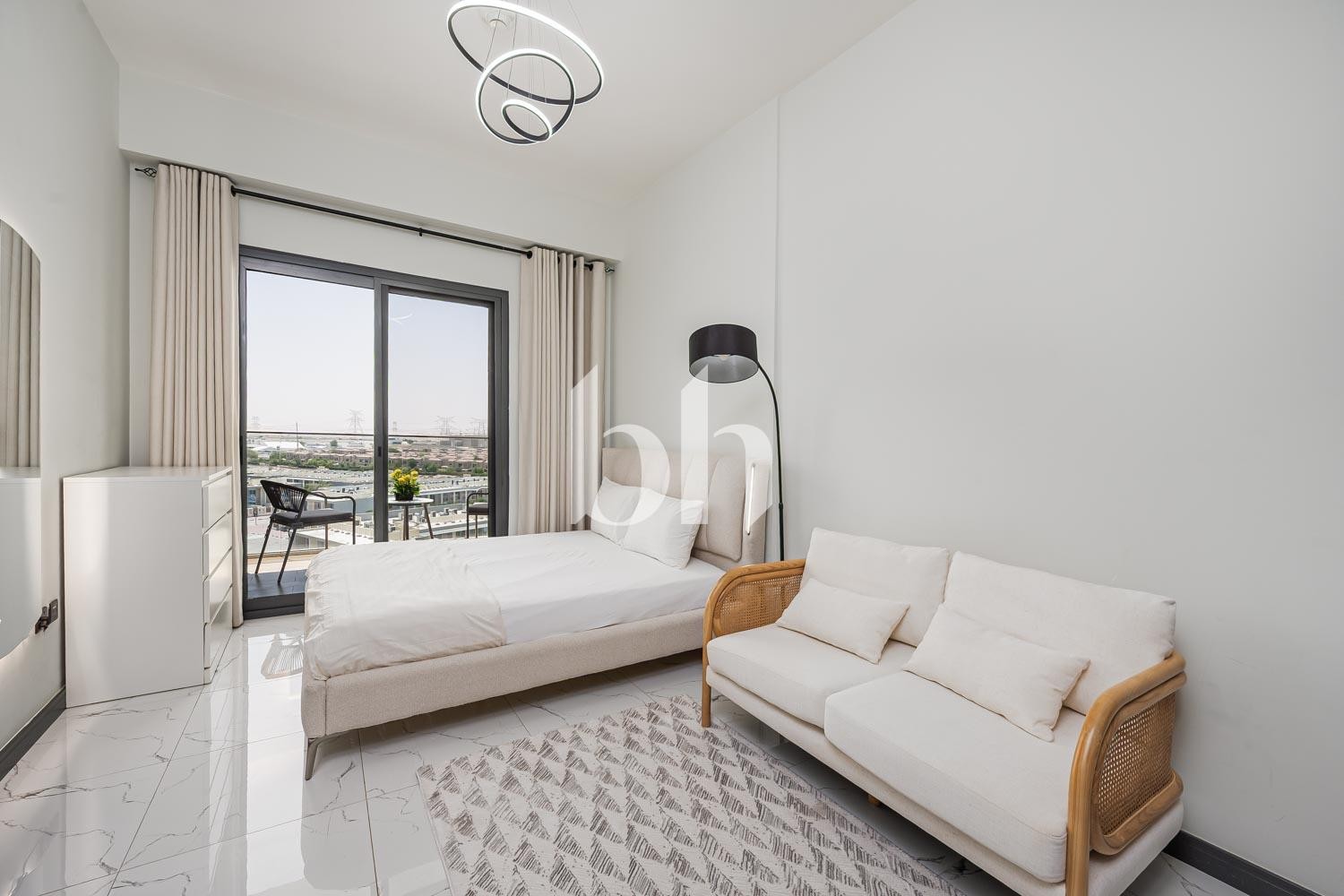
Rukan Tower B
APARTMENT · Rukan Tower B, Rukan Tower, Dubai Land, UAE
From AED 555K
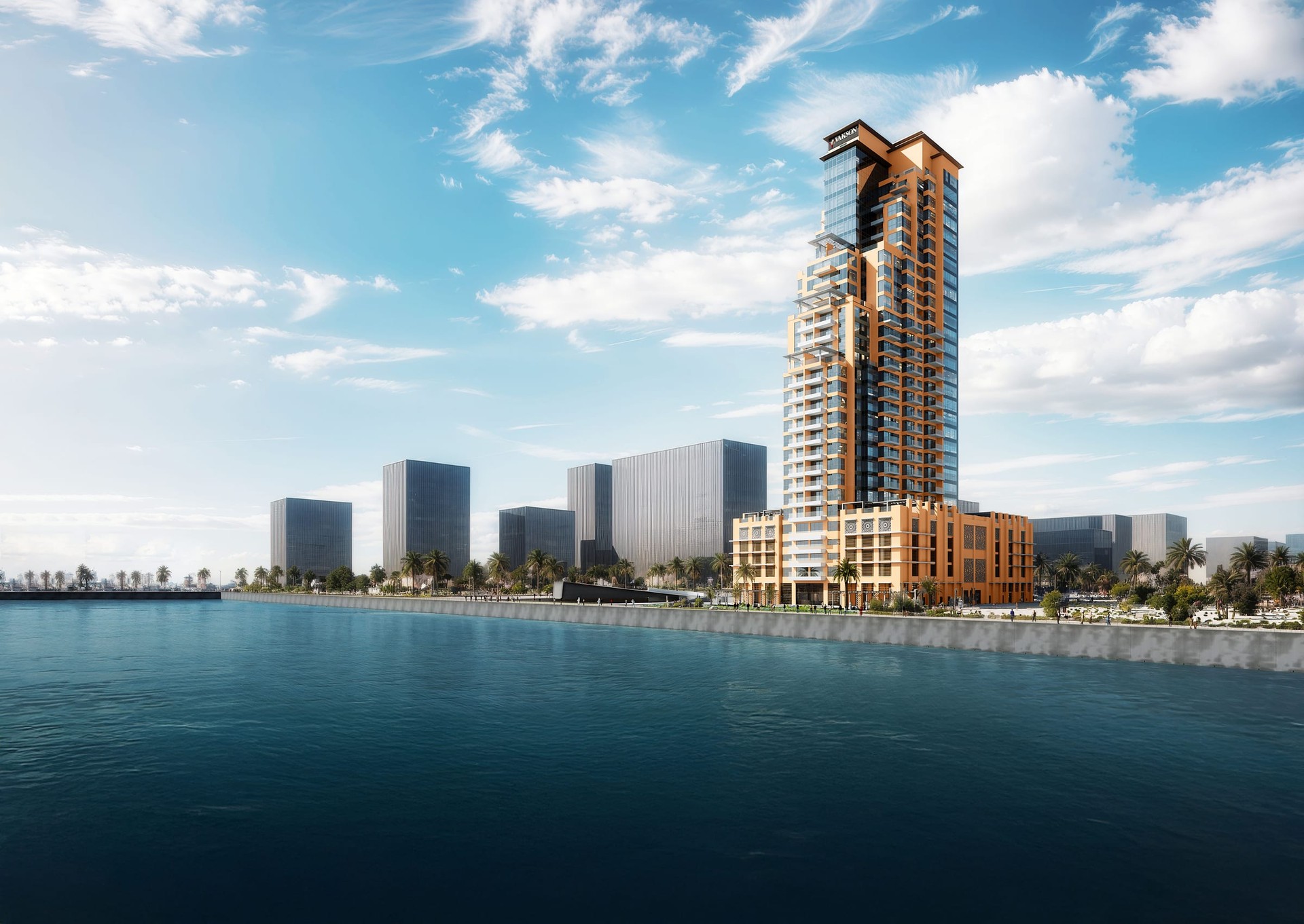
Riva Residences
APARTMENT · Dubai Maritime City, Dubai, United Arab Emirates
AED 2.53M – AED 5.80M
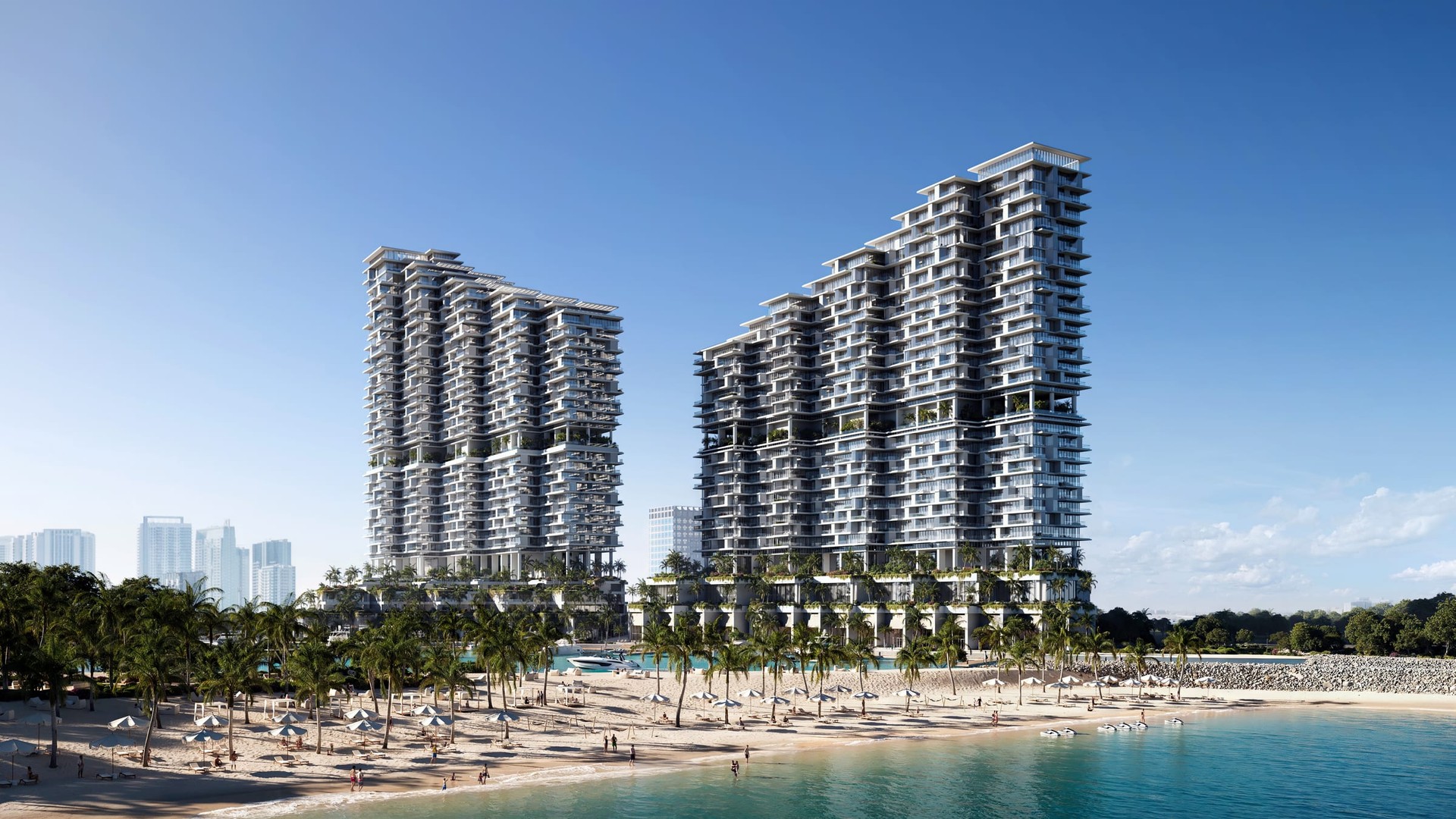
Riviera Residences
Apartment · Al Reem Island, Abu Dhabi, UAE
AED 1.90M – AED 4.85M
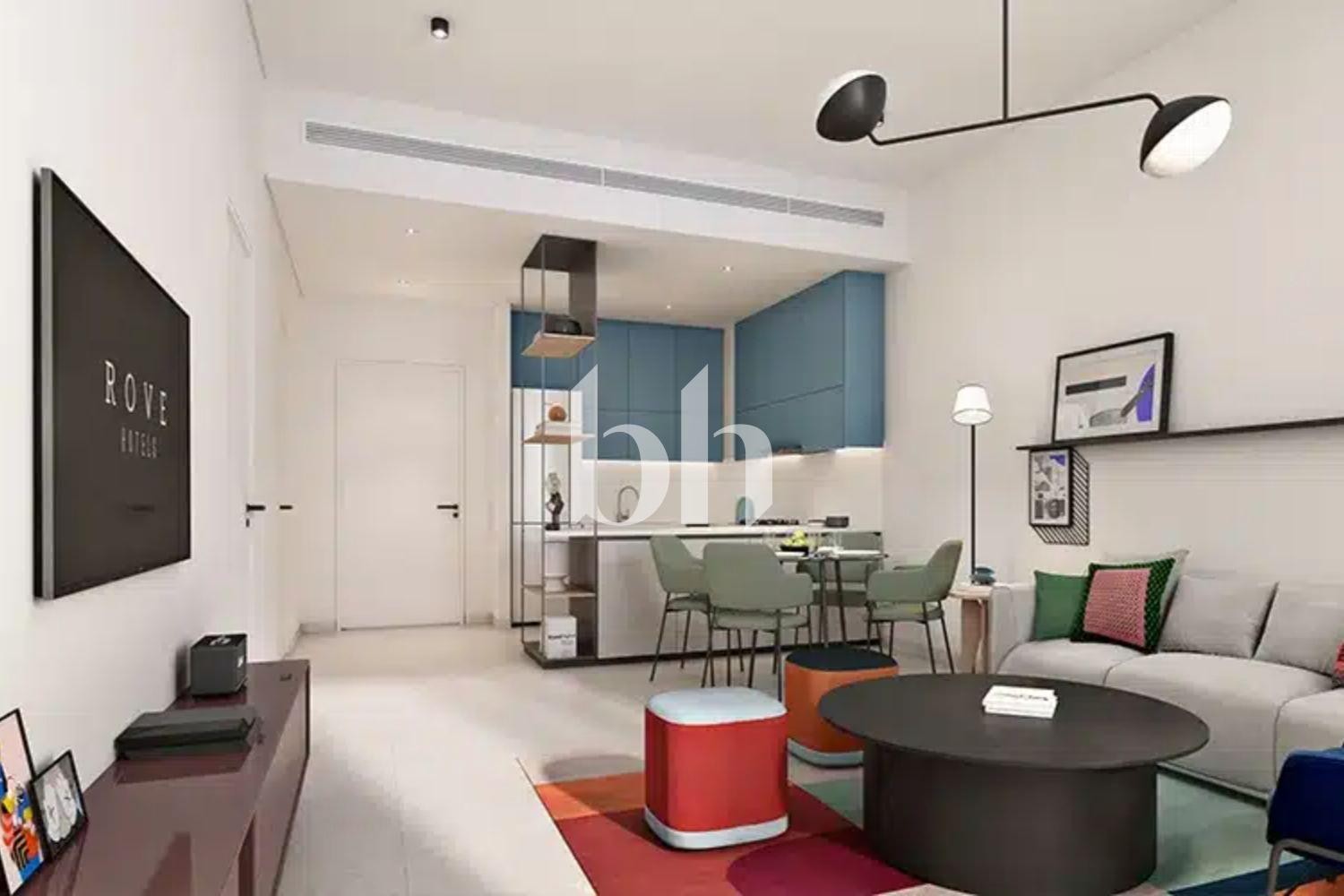
Rove Home
APARTMENT · Rove Home, Aljada
From AED 1.17M
Figures are indicative and subject to change. Regulations, taxes and market conditions vary by jurisdiction. Do your own due diligence and seek independent legal and financial advice.
More in Honduras
All city guides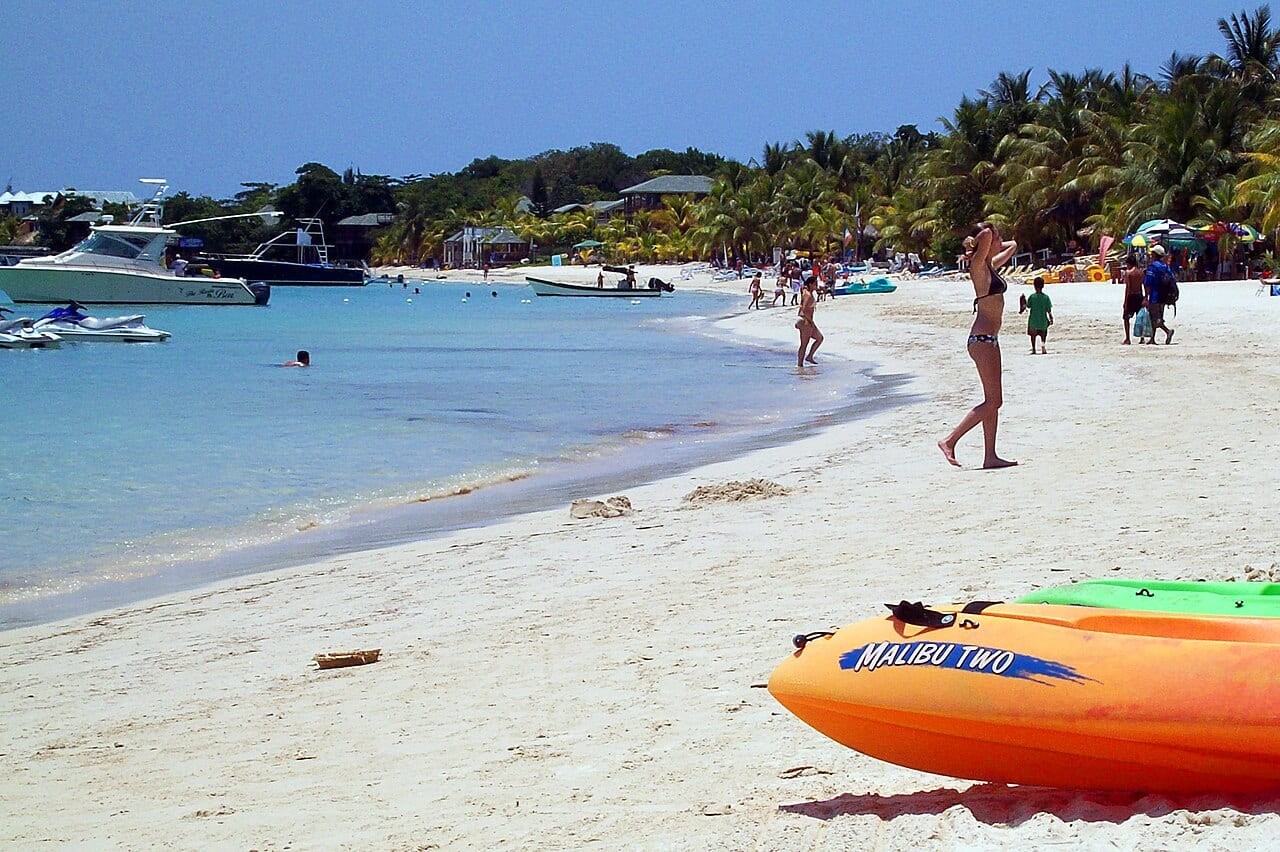
Roatán
City guide
Roatán is Honduras's flagship Caribbean property market and the largest of the Bay Islands, drawing North American and European buyers with world-class diving on the Mesoamerican Reef, cruise-ship tourism, and full US-dollar pricing. In 2026 the island average sits near US$500,000, with beachfront homes opening around US$750,000 and luxury estates topping US$1 million; condos remain the accessible entry point at roughly US$228,000 (1-bed) to US$323,000 (2-bed). Prime West Bay beachfront commands US$4,500-US$7,500 per m², while Oak Ridge and Punta Gorda run US$1,200-US$2,500 per m². Prices rose 4-7% in USD terms over the past year, and gross rental yields range from 4-7% on premium West Bay beachfront to 7-12% in higher-yielding pockets, with well-managed short-term rentals achieving 60-75% annual occupancy and US$2,000-US$4,000 weekly in peak season (December-April). Foreign ownership is straightforward: Decree 90-90 lets a foreigner directly hold one urban property up to 3,000 m², while a Honduran corporation removes size and quantity limits and is the standard structure for larger or beachfront coastal acquisitions. Annual property tax is low at roughly 0.35% of assessed value. Honduras is not dollarized, but Roatán transacts almost entirely in US dollars, insulating investors from lempira volatility.
Average priceUS$500,000Rental yield4-12% gross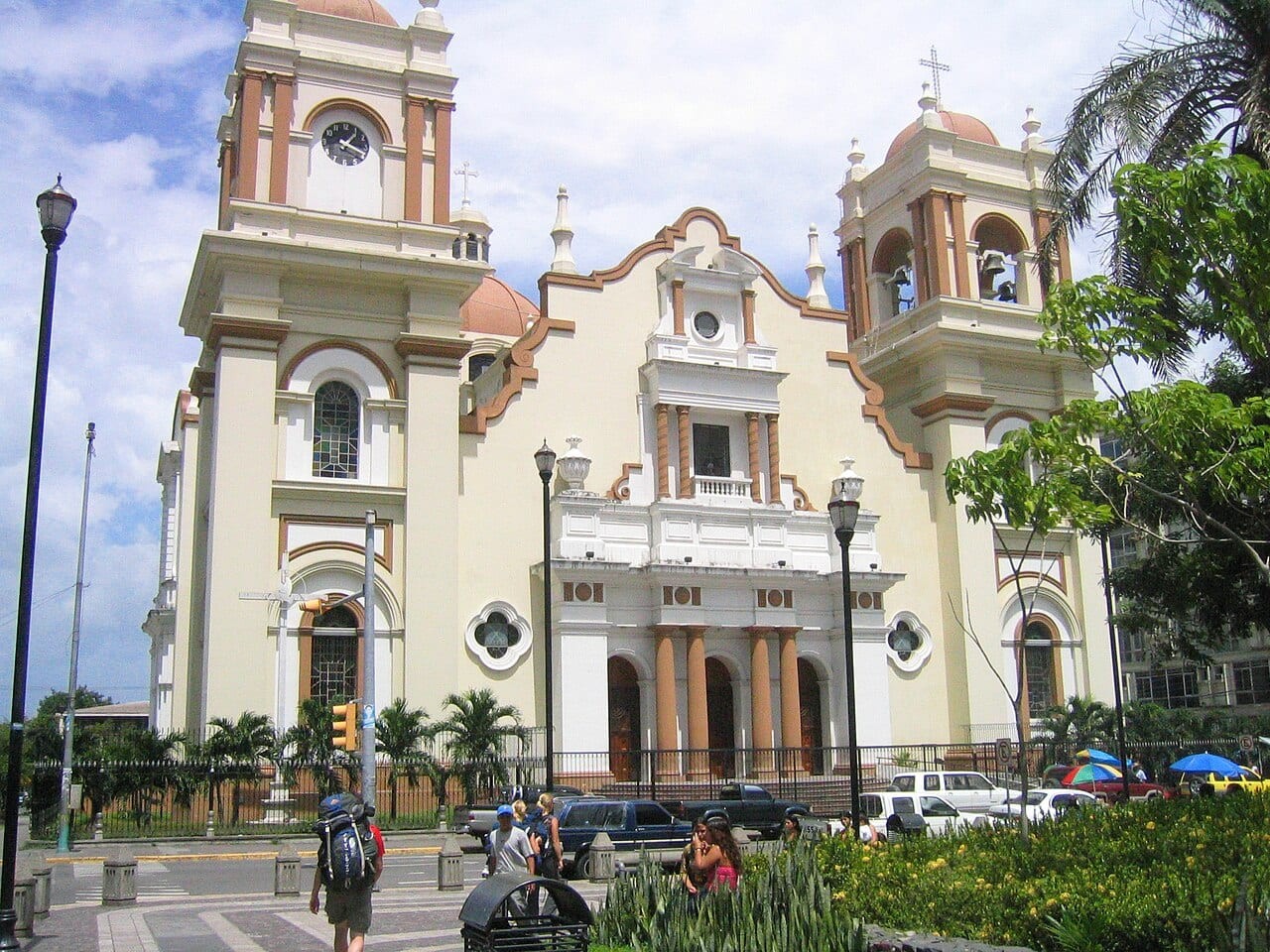
San Pedro Sula
City guide
San Pedro Sula is Honduras's industrial and commercial capital and the economic engine of the country's north, anchoring the Cortés manufacturing corridor and Puerto Cortés, Central America's busiest container port. Its 2025 population reached about 1,034,000, growing 2.58% annually toward roughly 1,060,000 in 2026. This is a yield-driven domestic market rather than a dollar-priced resort one: apartments average about US$2,400/m² and houses around US$1,480/m², with city-center and upscale zones spanning US$600-US$1,200/m². The median residential price runs L3,190,000-L3,650,000 (roughly US$130,000-US$150,000), and two-bedroom apartments trade at US$89,000-US$110,000. Prices are rising 3-7% annually on industrial expansion and urban development. Rental yields are the strongest on the Honduran mainland: Colonia Trejo delivers about 7.0% net, and the central cluster of Trejo, Río de Piedras, and Jardines del Valle sustains 90%+ one-bedroom occupancy, the highest in the national dataset. Average rent is around L240/m²/month (about US$9), ranging L180-L320 by area, with 2026 rent growth projected at 4-6%. Honduras is not dollarized, so mainland investors carry lempira exposure, though rents and many sale prices reference USD. Foreigners may own under Decree 90-90 (one urban property up to 3,000 m²) or via a Honduran corporation; mainland urban property is unrestricted, unlike the coastal/border zones.
Average priceUS$140,000 (median)Rental yield5-7% (net up to 7.0%)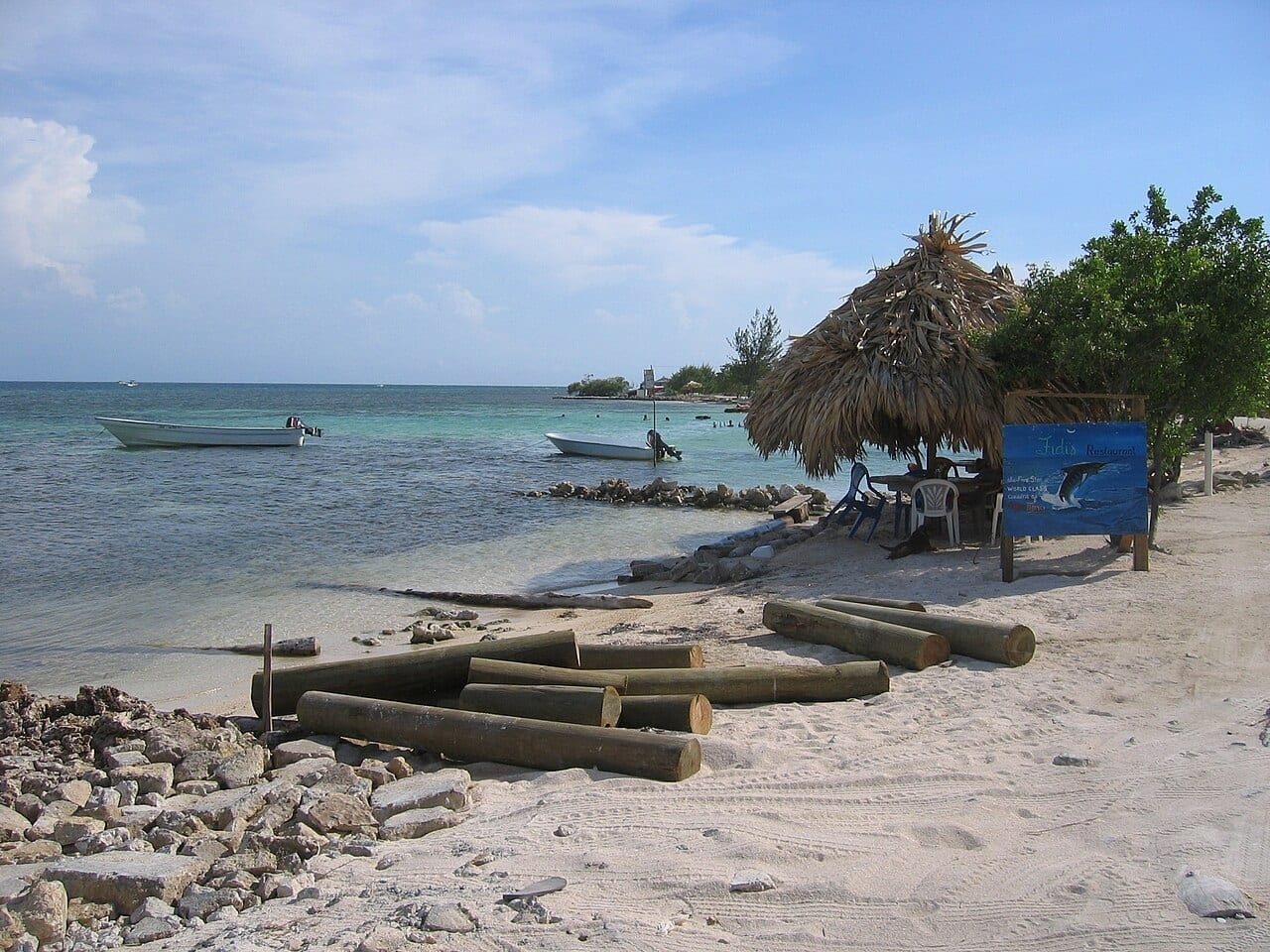
Utila
City guide
Utila is the smallest and most affordable of the three main Bay Islands, world-famous as a budget scuba-diving and whale-shark destination and a long-standing backpacker hub. It offers the lowest entry point in Honduras's Caribbean island market: the median property price is roughly US$59,800 with a median of about US$24 per sqft, while houses carry a median near US$359,000 (about US$1,924 per m²). Vacant lots start around US$30,000, and Bay Islands properties broadly span US$85,000-US$469,000. The market is thinner and more cash-driven than Roatán, so liquidity is lower and days-on-market longer, but the dive economy underpins consistent seasonal rental demand. Like Roatán, Utila prices and transacts in US dollars even though Honduras is not dollarized. Foreign ownership follows the same national framework: Decree 90-90 permits direct foreign ownership of one urban property up to 3,000 m², and a Honduran corporation is used for larger holdings and coastal parcels. Property tax is low at roughly 0.35% of assessed value. Investors typically target dive-shop-linked guesthouses, beachfront lots on the south shore, and town homes around East Harbour, where most services, dive operators, and rental demand concentrate. Yields on well-run dive-tourism rentals run roughly 6-9% gross.
Average priceUS$359,000 (house median)Rental yield6-9% gross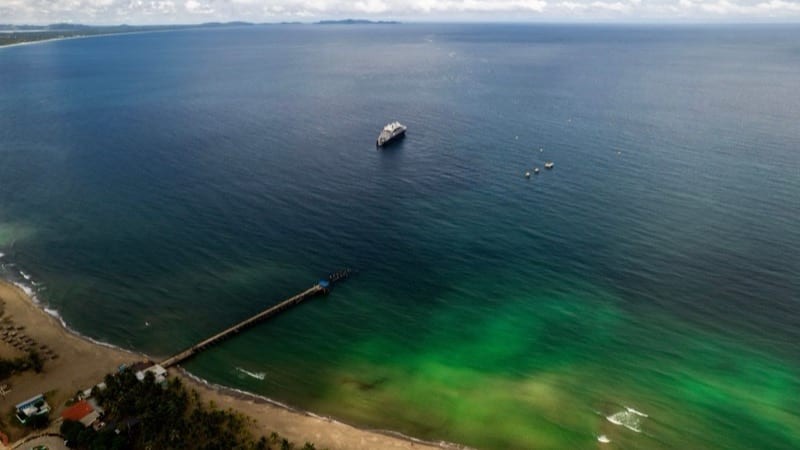
Honduras country guide
Country guide