Morocco Investor Guide

Investing in the Kingdom of Morocco -- Marrakech, Casablanca, and the Atlantic Coast

Updated May 19, 2026Intermediate22 min read

Rental yield
6.7%
Gross, indicative
Price growth
-0.6%
Year on year · Sep 2026
Transfer tax
5.5%
Currency
MAD

Market Overview

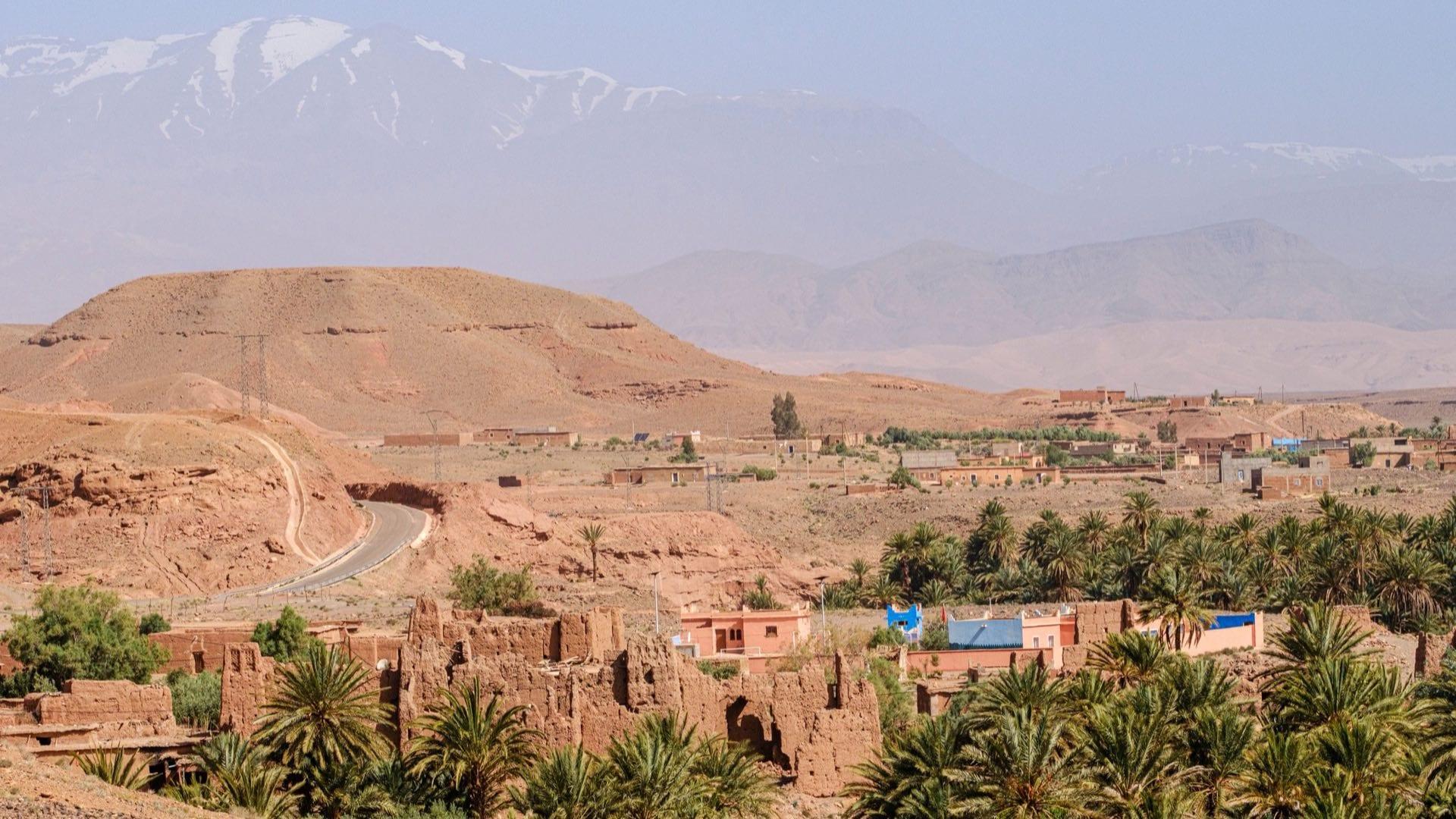
Morocco is positioning itself as Africa's gateway market, with the 2030 FIFA World Cup co-hosting (with Spain and Portugal) driving USD 35B+ in infrastructure spend. Casablanca remains the financial capital, Marrakech the tourism magnet, and Tangier the Mediterranean industrial corridor. The dirham's managed peg gives FX stability, while liberalised tourism visas and a maturing automotive cluster underpin sustained mid-single-digit GDP growth.

Country
Morocco
Currency
Moroccan Dirham (MAD), managed peg vs. EUR/USD basket (60/40)
Population
~37 million (urbanization ~64%)
GDP growth
3.5% (2025 est.); 3.7% projected 2026 (World Bank/IMF)
Inflation
1.2% (Q1 2026); moderated from 6%+ in 2023

Key industries

  • Tourism & Hospitality (12% of GDP)
  • Automotive Manufacturing (Renault, Stellantis Tangier hubs)
  • Aerospace (Casablanca cluster)
  • Agriculture & Phosphates (OCP Group)
  • Renewable Energy (Noor Solar, wind)
  • Real Estate & Construction

On INTRIC now — Residences on INTRIC are open to enquiry straight from this page.

Restrictions

Urban Property -- Open to Foreign Freehold

Open

Non-Moroccan citizens can freely purchase urban residential and commercial property (apartments, villas, riads, retail) on a full freehold basis with the same rights as Moroccan nationals. Title registration is via ANCFCC.

  • Full freehold rights: sale, lease, mortgage, inheritance
  • Title registered with Agence Nationale de la Conservation Fonciere (ANCFCC)
  • No nationality-based limits on number of properties owned
  • Joint ownership with Moroccan or foreign spouses allowed
Agricultural Land -- Foreign Ownership Prohibited

Restrictive

Foreign individuals and foreign-controlled companies cannot directly own agricultural land in Morocco. Workarounds include long-term leases (up to 99 years), partnering with Moroccan nationals, or converting land use to non-agricultural with prior approval.

  • No direct freehold of agricultural land by foreigners
  • Long-term lease (up to 99 years) available
  • Land-use conversion possible with state approval (lourd process)
  • Restriction does NOT apply to urban or industrial-zoned land

Repatriation of Funds via Office des Changes

Restrictive

To freely repatriate sale proceeds or rental income abroad, the original purchase must be funded via a 'convertible dirham account' (compte en dirhams convertibles) using foreign-currency inflows declared to the Office des Changes at time of purchase. Skipping this step traps proceeds in MAD.

  • Open a convertible dirham account at a Moroccan bank before purchase
  • Funds transferred in must be declared to Office des Changes
  • Subsequent rental and sale proceeds can be freely repatriated in original currency
  • Locally-financed purchases face stricter repatriation controls

Unlock the full guide. It's free.

You've read the preview. 8 more sections are open to Explorer members, instantly, with just an email.

No spam, no password, unsubscribe any time.

Already a member? Sign in

  • Taxes & Fees
  • Requirements
  • Purchase Steps
  • Property Types
  • Investment Drivers
  • Market Trends
  • Visa & Residency
  • Financing

Figures are indicative and subject to change. Regulations, taxes and market conditions vary by jurisdiction. Do your own due diligence and seek independent legal and financial advice.